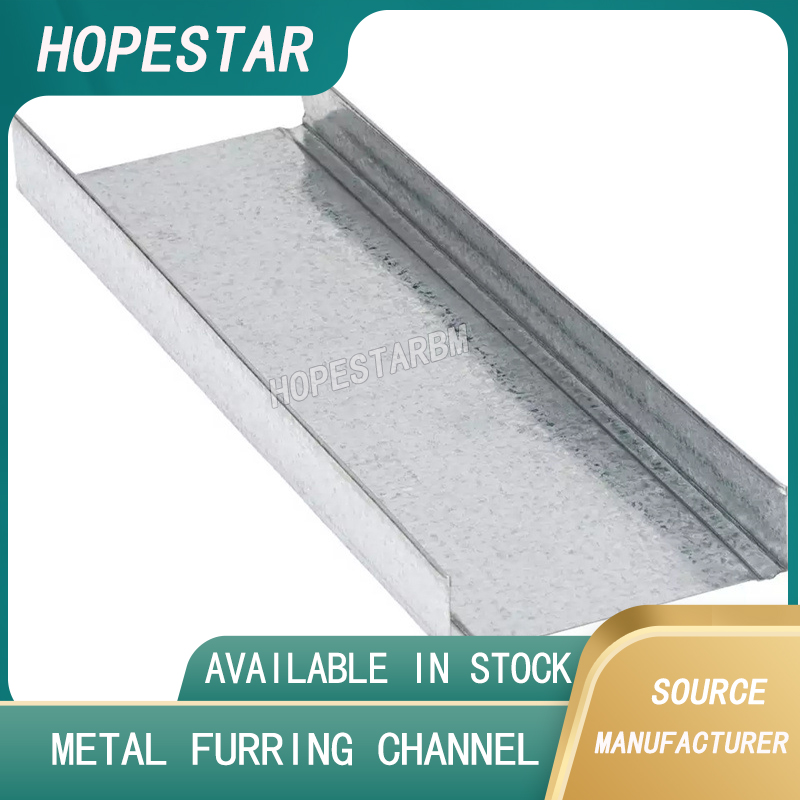
Carrying Channel vs Metal Furring: Understanding the Key Differences in Ceiling Systems
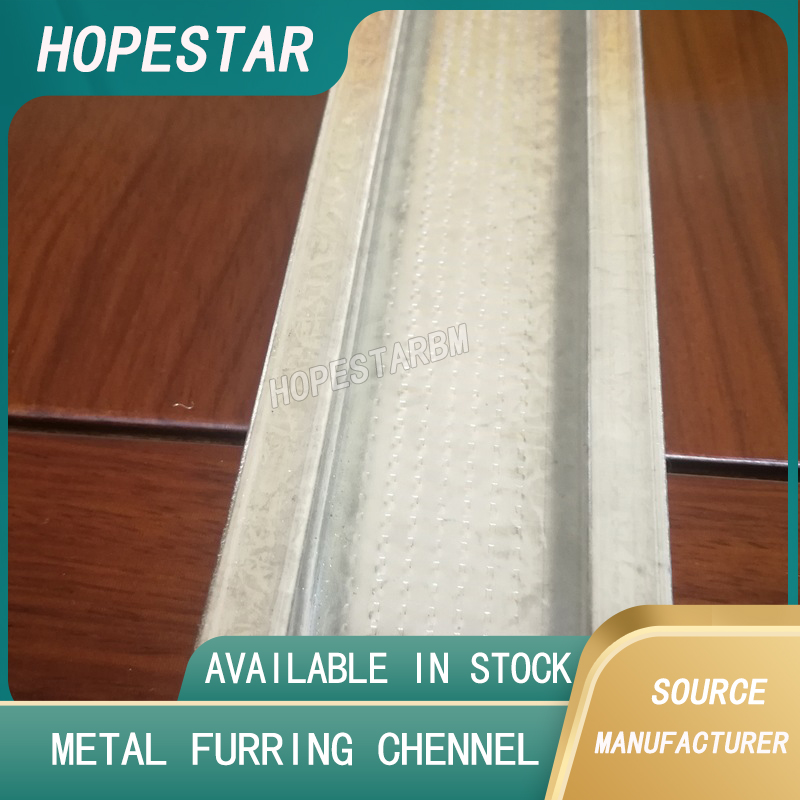
When designing or installing a suspended ceiling or drywall framework, choosing between a carrying channel and metal furring is one of the most important structural decisions. Although both components are made from lightweight galvanized steel and work together in many ceiling assemblies, they serve very different functions. Understanding these differences helps builders create stronger, safer, and more efficient interior systems. This guide explains carrying channel vs metal furring, how each profile works, and when to use them.
What Is a Carrying Channel?
A carrying channel—sometimes called a main channel—is the primary load-bearing member in a suspended ceiling system. It runs horizontally across the room and supports the entire weight of secondary channels, furring profiles, insulation, and ceiling boards. Because it holds most of the structural load, the carrying channel is manufactured in thicker gauges and deeper profiles than metal furring.
Common features of carrying channels include:
-
Deep U-shaped or C-shaped construction
-
Heavier gauge steel for high rigidity
-
Strong load distribution across wide spans
-
Direct connection to hangers, suspension rods, or ceiling anchors
In many systems, carrying channels form the “backbone” of the ceiling grid.
What Is Metal Furring?
Metal furring, also known as a furring channel, is a secondary framing profile attached to the carrying channels. Its purpose is to create a smooth, level surface for mounting gypsum boards or acoustic panels. Because metal furring does not support the main structural load, it is typically shallower and lighter than carrying channels.
Typical characteristics of metal furring include:
-
Lightweight, slim profile
-
Quick installation for walls or ceilings
-
Provides leveling and alignment for finish materials
-
Enhances acoustic and thermal performance
Metal furring is commonly used in both suspended ceiling systems and drywall partitions.
Carrying Channel vs Metal Furring: Core Differences
1. Function
-
Carrying channel: Main structural support that holds the ceiling framework.
-
Metal furring: Secondary support that holds the finishing material.
2. Load Capacity
-
Carrying channels handle heavy loads and long spans.
-
Metal furring carries only the weight of attached boards.
3. Size and Thickness
-
Carrying channels are deeper and made from thicker steel.
-
Metal furring channels are smaller and lighter.
4. Position in the Ceiling System
-
Carrying channels form the upper structural layer.
-
Metal furring forms the lower layer where finish materials are fastened.
5. Installation Method
-
Carrying channels connect to hangers or rods.
-
Metal furring clips onto or screws into the carrying channels.
When to Use Each Component
Use a carrying channel when you need strong structural support, especially for large rooms, commercial projects, or ceilings that include heavy insulation, ducting, or multiple layers of drywall.
Use metal furring when you need a smooth, level surface for mounting boards or when improving acoustic performance. Metal furring is ideal for homes, offices, small rooms, and partitions.
Conclusion
The difference between carrying channel vs metal furring is essential for building safe, durable, and stable ceiling systems. Carrying channels create the structural foundation, while metal furring ensures a precise and professional finish. Using both components correctly guarantees a ceiling with long-term strength, better sound control, and superior installation quality.
If you need, I can also translate this article into Spanish or write more SEO content on metal channels, studs, or drywall systems.
Understanding Metal Hat Channel Sizes: A Complete Guide for Builders and Contractors
Benefits of Using Proper Metal Furring Sizes
Related Article