Understanding Metal Furring Sizes: A Complete Guide for Builders and Installers
When planning any drywall, ceiling, or partition project, choosing the right metal furring sizes is one of the most important decisions you can make. Metal furring provides the structural foundation that supports gypsum boards, acoustic panels, insulation, and other finishing materials. Using the proper dimensions not only ensures a stable installation but also affects fire resistance, soundproofing performance, load capacity, and overall durability. For contractors and DIY builders looking to achieve a professional result, understanding available metal furring sizes is essential.
What Are Metal Furring Channels?
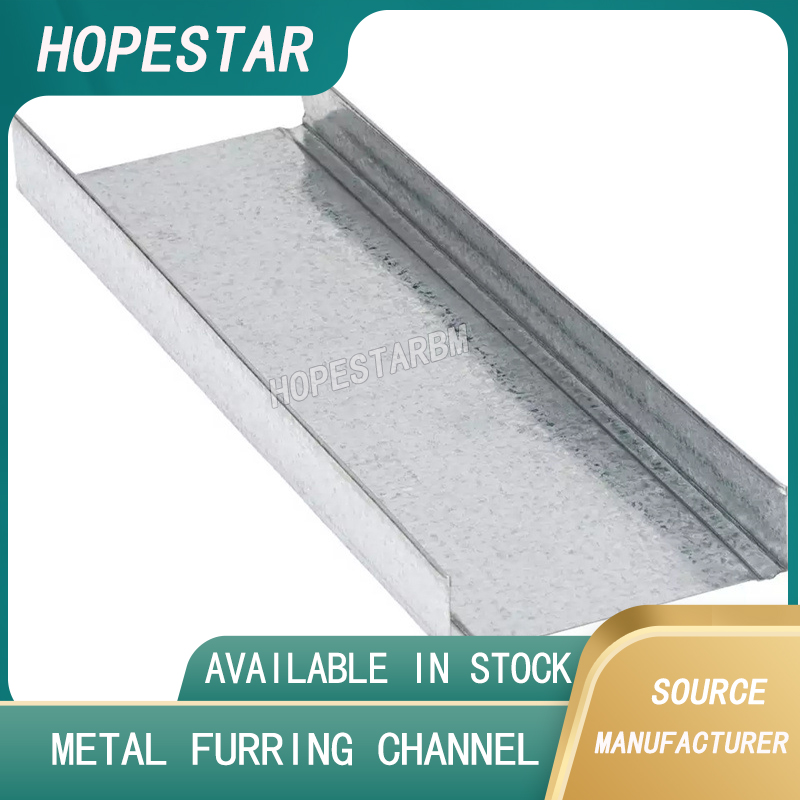
Metal furring channels are thin, cold-formed steel profiles designed to create a level and secure framework for interior finishing systems. These channels are widely used in commercial buildings, residential renovations, industrial facilities, and high-performance drywall assemblies. Their lightweight design, corrosion-resistant coating, and excellent strength make them a reliable choice for modern construction.
In most countries, metal furring channels are produced from galvanized steel, commonly ranging from 0.3 mm to 1.2 mm in thickness depending on the application. The choice of thickness and size directly influences rigidity and load-bearing performance.
Why Metal Furring Sizes Matter
Every project has unique requirements, so selecting the correct metal furring sizes ensures:
-
Better load distribution for heavier boards or multilayer drywall
-
Higher stability for ceilings with insulation or fire-rated assemblies
-
Improved soundproofing when using deeper or wider channels
-
Faster and easier installation, because the right size fits the intended system
-
Compliance with local construction standards
Choosing the wrong size can lead to sagging ceilings, uneven wall surfaces, or reduced structural performance.
Common Metal Furring Sizes Used in Drywall Systems
While manufacturers offer slightly different specifications, several metal furring sizes are widely used across global markets:
1. Standard Ceiling Furring Channels
These are typically used for suspended gypsum ceilings where lightweight yet stable support is required.
Common dimensions include:
-
19 mm × 38 mm
-
25 mm × 38 mm
-
25 mm × 50 mm
These channels provide enough depth to support gypsum boards while maintaining a slim profile for tight spaces.
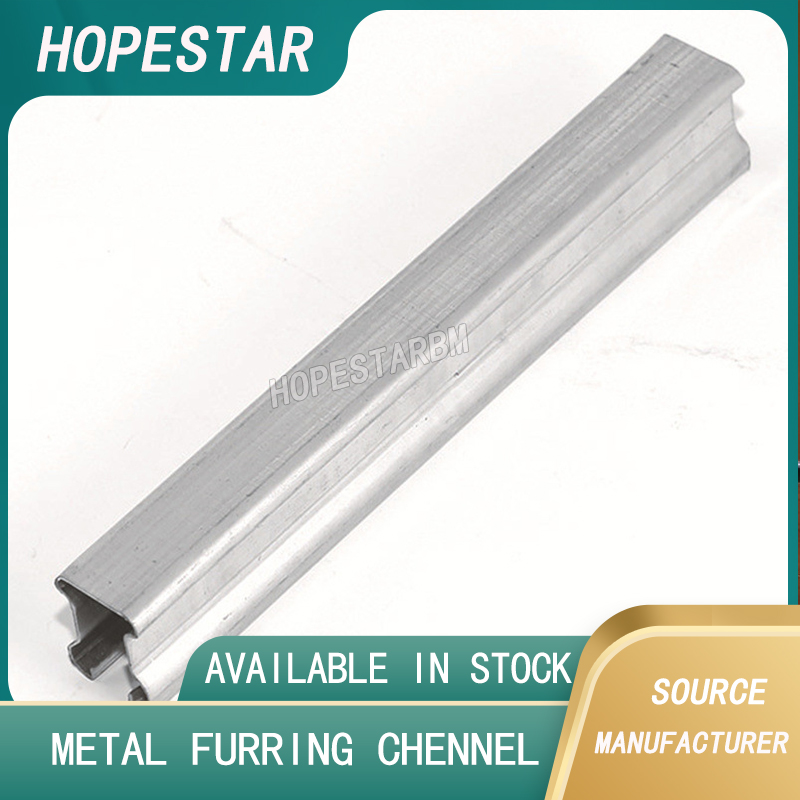
2. Hat-Shaped Metal Furring Sizes
Hat channels are popular for ceilings and walls that need added stiffness or fire-rated design.
Typical sizes include:
-
7/8-inch (22 mm) depth
-
1-1/2-inch (38 mm) depth
The hat shape increases strength and prevents twisting, making these channels suitable for acoustic and thermal insulation systems.
3. Furring U-Channels for Interior Walls
U-shaped metal furring is common in wall partitions and cladding systems.
Popular sizes:
-
36 mm width
-
38 mm width
-
50 mm width
These sizes fit well with standard studs and help create a stable substrate for vertical applications.
4. Heavy-Duty Metal Furring Sizes
For high-load ceilings, industrial walls, equipment rooms, or multilayer drywall systems, larger and thicker profiles are used.
These may include:
-
75 mm
-
92 mm
-
100 mm
These robust sizes support greater weight and improve fire and acoustic performance.
Factors to Consider When Selecting Metal Furring Sizes
Choosing the ideal size goes beyond simply matching measurements. Builders should consider several technical factors:
1. Board Weight and Thickness
Thicker boards or double-layer drywall systems require deeper and stronger metal furring sizes to avoid sagging.
2. Span Distance
The wider the spacing between suspension points or studs, the more rigid the furring channel must be.
3. Ceiling vs. Wall Application
Ceilings often require deeper profiles because they carry more load and must resist bending over time.
4. Acoustic Requirements
Soundproofing systems perform better with deeper channels because they create larger air cavities that absorb sound.
5. Fire Resistance
Fire-rated assemblies often specify exact metal furring sizes to meet code compliance.
6. Installation Environment
Moisture-prone areas may need hot-dip galvanized or heavier-gauge metal furring to prevent corrosion.
Benefits of Using Proper Metal Furring Sizes
Galvanized Steel L Shadow Bead: Enhancing Drywall Finishes with Precision and Durability
Related Article