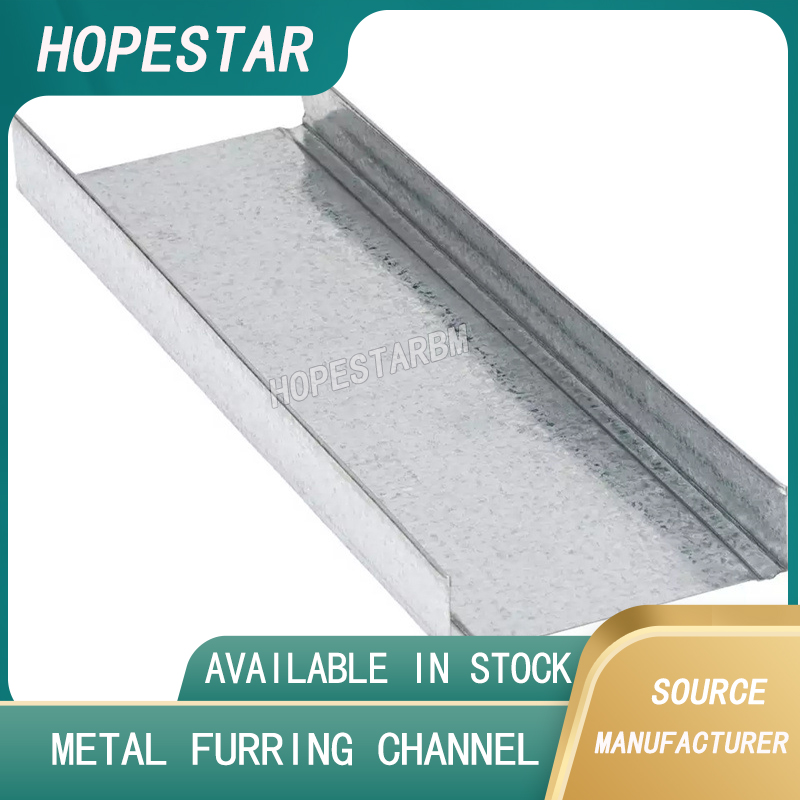
Metal Wall Angle: Essential Guide for Drywall Framing and Ceiling Systems
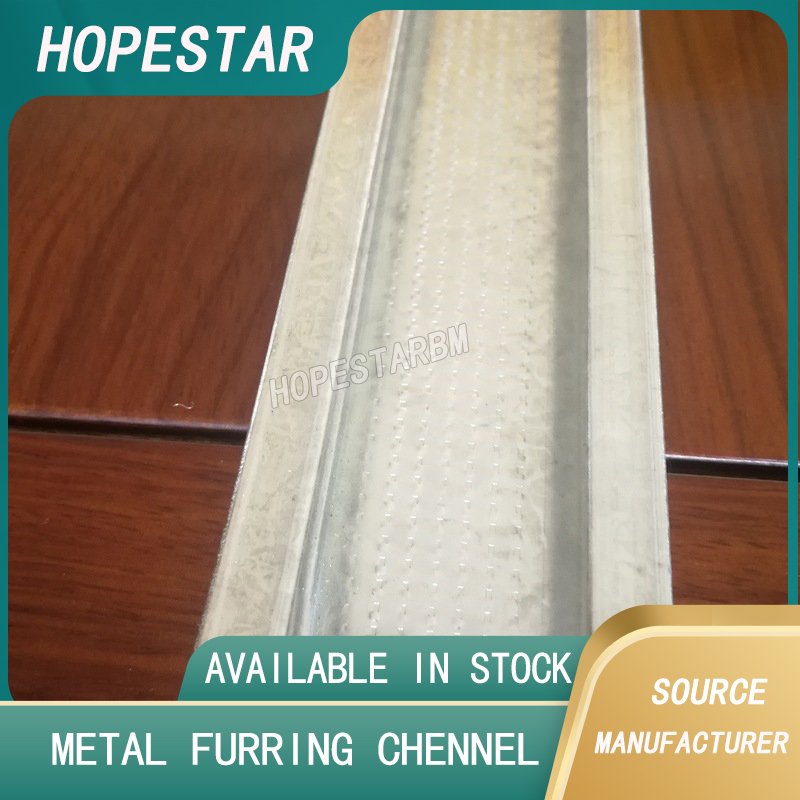
Metal wall angle is a fundamental component in drywall framing and suspended ceiling installations. Known for its durability, precision, and versatility, this L-shaped metal profile plays a crucial role in creating clean edges, providing structural support, and ensuring a stable connection between walls and ceiling systems. As construction demands higher efficiency and better finishing standards, metal wall angles have become a preferred choice for contractors, architects, and interior designers.
What Is a Metal Wall Angle?
A metal wall angle—also called an L angle or perimeter angle—is a galvanized steel or aluminum profile used as a perimeter support for drywall ceilings and grid ceiling systems. It is installed along the wall to hold the edges of furring channels, ceiling T-bars, and gypsum boards. Thanks to its corrosion-resistant coating and high dimensional accuracy, it provides a stable and long-lasting perimeter solution.
Key Features of Metal Wall Angle
1. Galvanized Surface for Long-Term Protection
High-quality metal wall angles are coated with zinc to resist rust, moisture, and humidity. This makes them ideal for applications in kitchens, bathrooms, basements, and commercial buildings where environmental conditions are more demanding.
2. Lightweight but Strong Design
Despite being lightweight, the wall angle provides excellent load-bearing assistance as part of the suspended ceiling structure. Its L-shape adds rigidity, ensures stable placement, and minimizes deformation during installation.
3. Accurate Dimensions for Smooth Installation
Metal wall angles are manufactured with precise thickness and length. This guarantees a clean, straight edge around the ceiling perimeter and ensures compatibility with standard ceiling channels and T-grid systems.
4. Easy to Cut and Install
Installers can quickly trim wall angles with tin snips and fasten them using screws, nails, or anchors. This simplifies workflow and reduces installation time in both residential and commercial settings.
Common Applications of Metal Wall Angle
• Drywall Ceiling Perimeter Support
Metal wall angles serve as the border where furring channels and ceiling studs rest. This creates a stable frame for gypsum board installation.
• Suspended T-Bar Ceiling Systems
In grid ceilings, the wall angle supports the perimeter of the main tees and cross tees, ensuring structural integrity and clean alignment.
• Finishing Interior Wall and Ceiling Edges
They create smooth, straight transitions between walls and ceilings, improving the overall aesthetic of the room.
Galvanized Steel L Shadow Bead: Enhancing Drywall Finishes with Precision and Durability
What Is a Reveal Bead for Drywall?
Related Article