Understanding Steel Channel: Types, Benefits, and Key Applications in Modern Construction

In the world of structural engineering and building innovation, the steel channel remains one of the most essential support components. Its strength-to-weight ratio, versatility, and affordable cost make it a top choice for framing, reinforcement, machinery housings, and a wide array of construction systems. Whether you are working on commercial buildings, residential projects, or industrial facilities, steel channels are crucial in ensuring structural reliability.
What Is a Steel Channel?
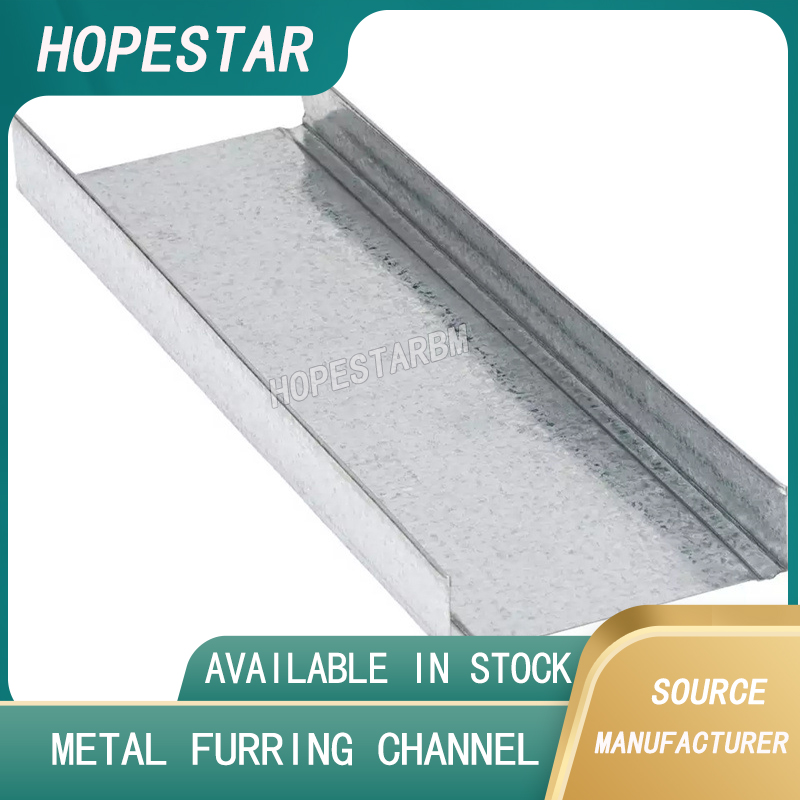
A steel channel is a long, U-shaped metal profile designed to support heavy loads, resist bending, and distribute stress evenly. Typically manufactured from carbon steel or galvanized steel, it provides outstanding performance in both indoor and outdoor environments.
Steel channels are commonly installed in:
-
Wall framing
-
Roof trusses
-
Machinery frames
-
Guard rails
-
Bridges
-
Marine structures
The most recognizable shape is the U-profile, though variations exist depending on edge design and thickness.
Main Types of Steel Channel
1. Standard C-Channel
The most widely used format. Its straight flanges and uniform thickness make it ideal for:
-
Building frameworks
-
Support beams
-
General reinforcement
2. U-Channel
Designed similarly but usually lighter. It is often used in light steel framing and interior partitions.
3. Galvanized Steel Channel
Coated with zinc for corrosion resistance. Perfect for outdoor and humid environments, such as:
-
Coastal construction
-
HVAC mounting
-
Agriculture structures
4. Stainless Steel Channel
Highly resistant to rust and chemical exposure. Frequently used in:
-
Food processing plants
-
Chemical facilities
-
Marine engineering
Key Advantages of Steel Channel
✔ Excellent Load-Bearing Strength
Steel channels provide superior load resistance while maintaining a lighter structure than traditional solid beams, improving efficiency and cost-savings.
✔ Versatile Structural Use
Their U-shaped geometry makes them suitable for vertical and horizontal applications. They are easy to cut, weld, and shape to meet project requirements.
✔ Cost-Effective
Compared with tubing or I-beam profiles, steel channels are more affordable while still offering strong mechanical properties.
✔ Corrosion Resistant Options
Galvanized and stainless steel channel products can withstand harsh or humid conditions, extending service life and minimizing maintenance.
✔ Ease of Installation
Lightweight structure and standardized sizing accelerate installation for both small contractors and large engineering teams.
What Is Metal Corner Bead? Benefits, Installation Tips, and Modern Applications
What Are Metal Corner Beads and Trims?
Related Article