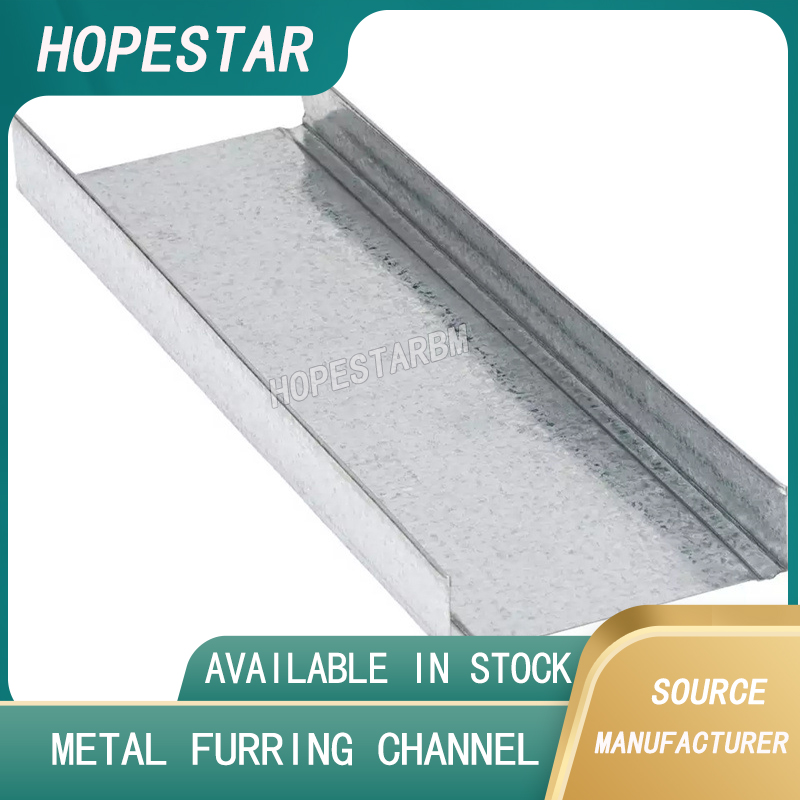
Galvanized C Channel Steel: Strength, Applications, and Benefits in Modern Construction
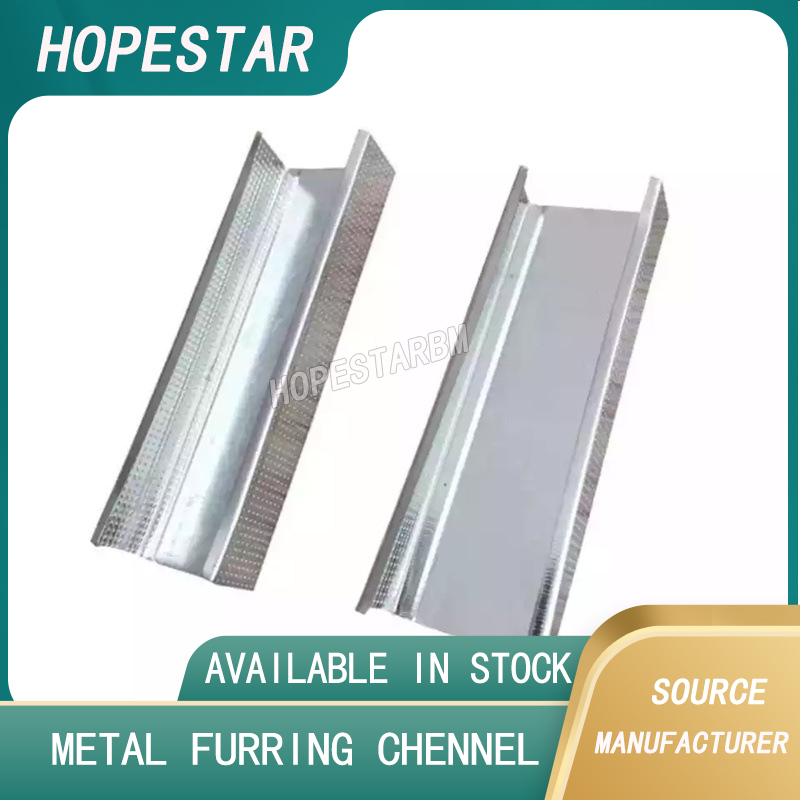
In contemporary construction and industrial projects, galvanized C channel steel has emerged as a vital material for framing, support structures, and load-bearing applications. Its unique “C” shaped profile, combined with the protective galvanized coating, makes it a versatile and durable solution for a wide range of construction challenges.
What Is Galvanized C Channel Steel?
Galvanized C channel steel is a cold-formed steel beam with a cross-sectional shape resembling the letter “C.” The design features a flat back and two perpendicular flanges that provide strength, rigidity, and ease of connection to other structural components. The steel is typically coated with zinc through galvanization, providing superior corrosion resistance and extended service life.
This combination of strength and protection makes galvanized C channel steel suitable for both indoor and outdoor applications, including environments exposed to moisture or harsh weather conditions.
Key Features of Galvanized C Channel Steel
-
High Load-Bearing Capacity – The C-shaped profile provides excellent structural support for beams, trusses, and frameworks.
-
Corrosion and Rust Resistance – The galvanized coating shields the steel from moisture and chemical exposure, preventing rust and degradation.
-
Lightweight Yet Strong – Despite its strength, the channel is relatively lightweight, simplifying handling and installation.
-
Versatile Design – Can be used in vertical, horizontal, and roof applications, offering flexibility across projects.
-
Durable and Long-Lasting – Combines the structural integrity of steel with protection against environmental wear.
Common Applications of Galvanized C Channel Steel
-
Structural Frameworks – Used in industrial buildings, warehouses, and commercial construction for support beams and trusses.
-
Wall and Ceiling Supports – Provides a stable base for drywall, partitions, and suspended ceilings.
-
Roof Purlins – Ideal for lightweight metal roof framing, supporting roofing sheets while maintaining strength.
-
Bridges and Platforms – Frequently used in pedestrian walkways, platforms, and small bridge construction due to its durability.
-
Equipment and Machinery Frames – Serves as a robust structural component for industrial machinery, conveyors, and storage systems.
Advantages of Using Galvanized C Channel Steel
-
Corrosion-resistant, ensuring longevity even in outdoor and humid conditions.
-
Flexible installation options, compatible with welding, bolting, or riveting.
-
Cost-effective, combining durability with minimal maintenance requirements.
-
High structural performance, capable of supporting heavy loads without deformation.
-
Sustainable, as steel can be recycled and reused without losing strength.
Choosing the Right Galvanized C Channel Steel
Selecting the proper galvanized C channel steel depends on the application, load requirements, and environmental conditions. Consider:
-
Thickness and gauge – Heavier gauge steel is needed for high-load applications.
-
Coating quality – Ensure proper galvanization for long-term corrosion protection.
-
Dimensions – Width, flange size, and height should match project specifications.
-
Environmental exposure – Outdoor or coastal projects require extra corrosion-resistant finishes.
Conclusion
Galvanized C channel steel is a reliable, durable, and versatile material that plays a critical role in modern construction and industrial applications. Its combination of strength, flexibility, and corrosion resistance makes it suitable for structural frameworks, roofing, walls, and specialized industrial structures.
By incorporating high-quality galvanized C channel steel, contractors and engineers can ensure long-lasting performance, reduced maintenance, and professional-grade results across all types of construction projects.
What Are the Three Types of Metal Corner Beads?
Understanding Omega U Furring Channel: Structure, Uses, and Benefits in Construction
Related Article