Metal Furring Channel
In the world of modern architecture and construction, precision and performance depend on the right framing materials. Among them, the metal furring channel stands out as a key structural component used to level surfaces, support drywall, and create stable frameworks for ceilings and walls. Its combination of strength, light weight, and corrosion resistance makes it indispensable in both residential and commercial projects.
What Is a Metal Furring Channel?
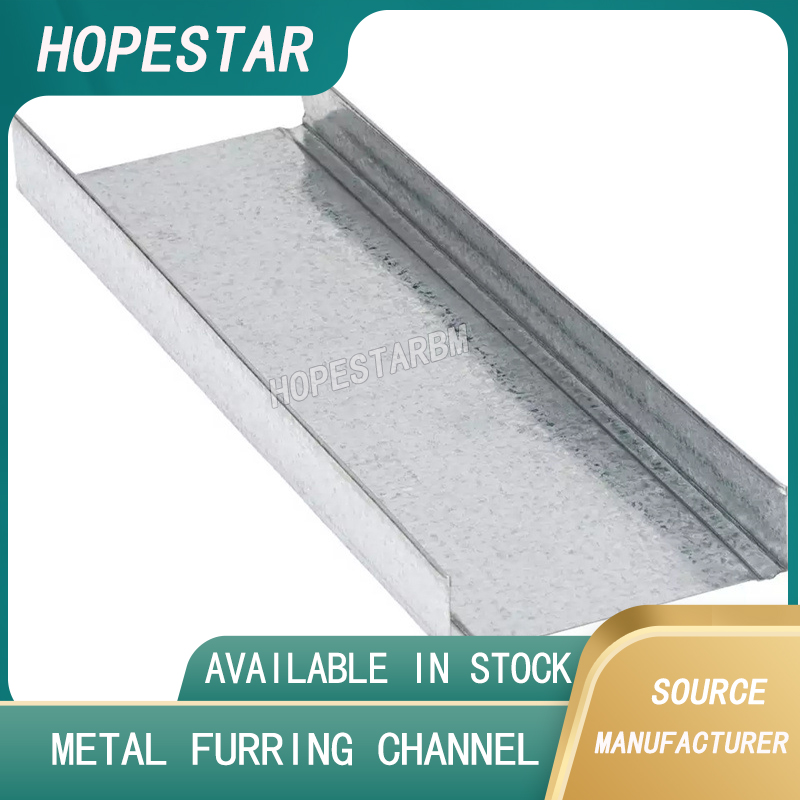
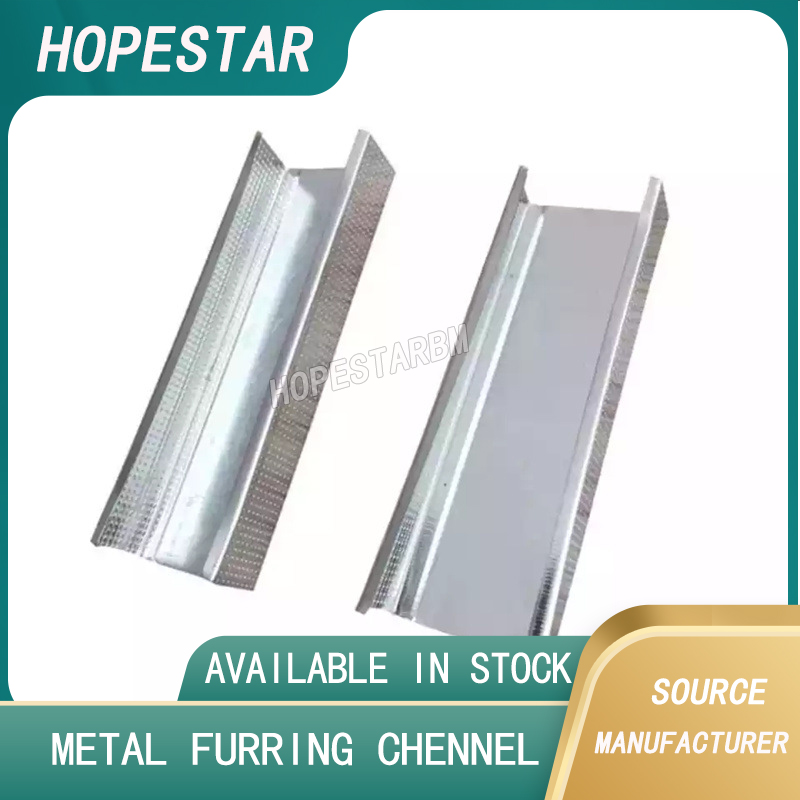
A metal furring channel is a cold-formed steel profile designed to provide a smooth and level base for wall and ceiling finishes. It typically has a U-shaped or hat-shaped cross-section that helps distribute loads evenly while maintaining rigidity. The channel is usually made from galvanized steel, which offers superior resistance to moisture, rust, and deformation over time.
Metal furring channels are available in various sizes, thicknesses, and shapes depending on their intended use—whether for wall cladding, suspended ceilings, or acoustic systems.
Primary Functions of a Metal Furring Channel
-
Surface Leveling – It creates a flat, even surface on walls and ceilings where direct attachment is impractical.
-
Support for Finishing Materials – Serves as a frame for securing drywall, panels, or ceiling tiles.
-
Sound and Thermal Insulation – Helps isolate vibrations and provides space for insulation layers.
-
Moisture Protection – Prevents direct contact between drywall and the base structure, reducing water damage and corrosion.
-
Structural Enhancement – Adds strength and rigidity to interior partitions and ceiling systems.
Common Applications
-
Drywall Framing Systems – Used to support gypsum boards in residential and commercial interiors.
-
Suspended Ceilings – Provides an anchor framework for ceiling panels, allowing for smooth alignment.
-
Wall Cladding and Facades – Supports exterior finishes such as metal panels or fiber cement boards.
-
Acoustic Construction – Often used in soundproof rooms, auditoriums, and studios for better noise reduction.
-
Industrial and Utility Spaces – Ideal for basements, garages, and service areas due to its corrosion-resistant properties.
Advantages of Using Metal Furring Channels
-
Lightweight yet durable, ensuring easier handling and installation.
-
Highly corrosion-resistant, thanks to galvanized or zinc-coated finishes.
-
Compatible with various materials, including concrete, steel, and wood framing.
-
Fire-resistant, making it suitable for commercial and public building codes.
-
Versatile design options, adaptable to vertical, horizontal, and ceiling configurations.
Installation Considerations
When installing metal furring channels, proper spacing and secure fastening are crucial. Channels can be attached directly to walls or ceilings using anchors, screws, or clips, depending on the structural requirements. For soundproofing or thermal projects, insulation materials can be placed between the channel and surface for better performance.
It’s important to select the correct channel gauge and profile based on the load-bearing capacity needed. Heavier applications—such as exterior facades or ceiling grids—require thicker and more robust channels.
Choosing the Right Metal Furring Channel
Before purchasing, builders should consider:
-
Material quality – Choose certified galvanized steel for corrosion resistance.
-
Size and thickness – Match the channel profile to the structural load.
-
Application type – Interior or exterior use affects coating and gauge selection.
-
Environmental conditions – High-humidity or coastal areas require extra protection.
Understanding Omega U Furring Channel: Structure, Uses, and Benefits in Construction
What Is a Furring Hat Channel in Construction? Understanding Its Role and Importance
Related Article