What Is a Furring Hat Channel in Construction? Understanding Its Role and Importance
In today’s construction industry, achieving durable, smooth, and professional finishes requires more than just high-quality materials—it also depends on the right structural components. One such essential element is the furring hat channel, a versatile metal profile that supports drywall, ceilings, and cladding systems. Whether used in residential, commercial, or industrial buildings, furring hat channels help improve performance, alignment, and overall building quality.
Definition: What Is a Furring Hat Channel?
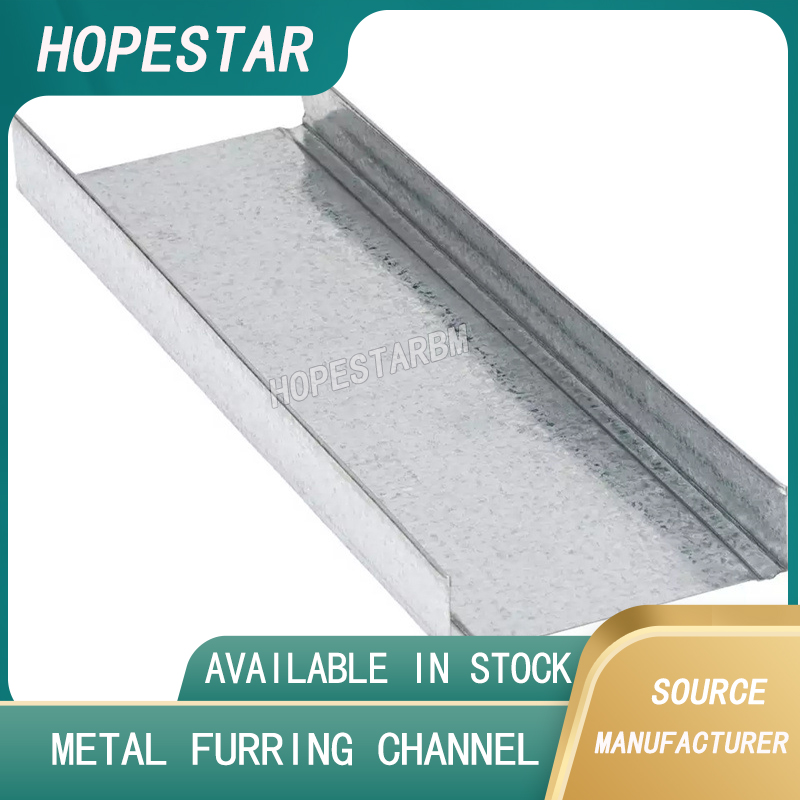
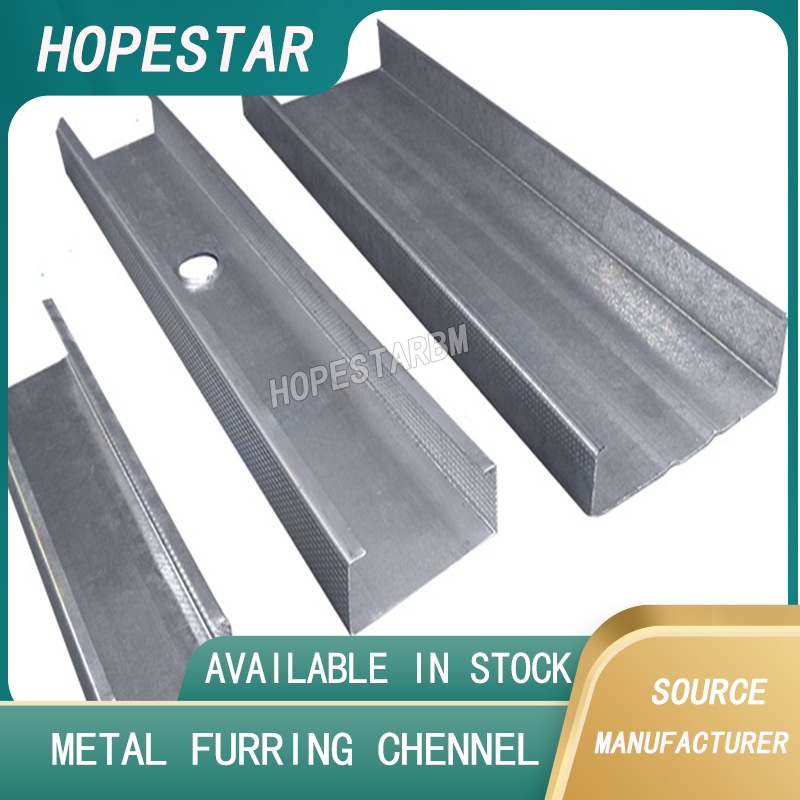
A furring hat channel is a cold-rolled metal strip shaped like a hat when viewed from the side—featuring a flat top and flanges that slope downward on both sides. This unique design provides excellent strength-to-weight ratio and stability, making it perfect for both horizontal and vertical applications.
Most furring hat channels are made from galvanized steel, ensuring corrosion resistance, longevity, and compatibility with various construction materials. They are typically installed between the main structure (like concrete or steel studs) and the surface layer (like drywall or panels) to create an even base.
Key Roles in Construction
-
Creates a Level Surface – Furring hat channels compensate for irregular wall or ceiling surfaces, providing a flat base for drywall, panels, or tiles.
-
Improves Sound and Thermal Insulation – The gap between the structure and finish layer reduces noise transmission and enhances thermal control.
-
Supports Finishing Materials – It securely holds plasterboard, wood panels, or ceiling tiles, preventing sagging or cracking over time.
-
Prevents Moisture Contact – In damp environments, the channel helps maintain space between surfaces, minimizing condensation and corrosion risks.
-
Enhances Structural Integrity – By reinforcing wall and ceiling systems, it ensures better load distribution and durability.
Common Applications of Furring Hat Channels
-
Drywall Framing – Used to support and align gypsum boards on walls and ceilings.
-
Suspended Ceiling Systems – Provides framework stability for suspended ceilings in offices and commercial spaces.
-
Exterior Cladding – Acts as a secondary support for façade materials such as fiber cement boards or metal panels.
-
Acoustic Construction – Common in soundproof rooms, recording studios, and theaters for noise reduction.
-
Basement and Utility Rooms – Ideal for use in moisture-prone areas thanks to its galvanized coating.
Benefits of Using Furring Hat Channels
-
Lightweight and easy to install, saving time and labor costs.
-
Resistant to rust and corrosion, especially when zinc-coated or galvanized.
-
Compatible with insulation materials, enhancing energy efficiency.
-
Provides excellent fire resistance, making it suitable for safety-critical areas.
-
Flexible design options, allowing for both vertical and horizontal installation.
Choosing the Right Furring Hat Channel for Your Project
When selecting a furring hat channel, consider the following:
-
Material – Galvanized steel is most common for strength and corrosion protection.
-
Size and Thickness – Choose according to load requirements and project design.
-
Installation Environment – Indoor spaces may use lighter gauges, while outdoor or high-moisture areas need thicker, coated profiles.
-
Mounting Method – Channels can be fixed directly to walls, suspended from ceilings, or used with clips for vibration isolation.
Conclusion
The furring hat channel is a small but vital component in construction, ensuring smooth surfaces, sound control, and long-lasting performance. Its simple yet effective design supports a wide range of applications—from residential drywall installations to high-performance commercial cladding systems.
Metal Furring Channel
What Is a Furring Hat Channel? Comprehensive Guide to Its Uses and Benefits in Construction
Related Article