What Is a Furring Hat Channel? Comprehensive Guide to Its Uses and Benefits in Construction
In the modern construction industry, furring hat channels have become a key component for creating durable and even surfaces in wall and ceiling systems. Known for their distinctive “hat” shape, these metal profiles are used to level, support, and stabilize drywall, cladding, and insulation materials. But what exactly is a furring hat channel, and why is it so essential for building professionals?
What Is a Furring Hat Channel?
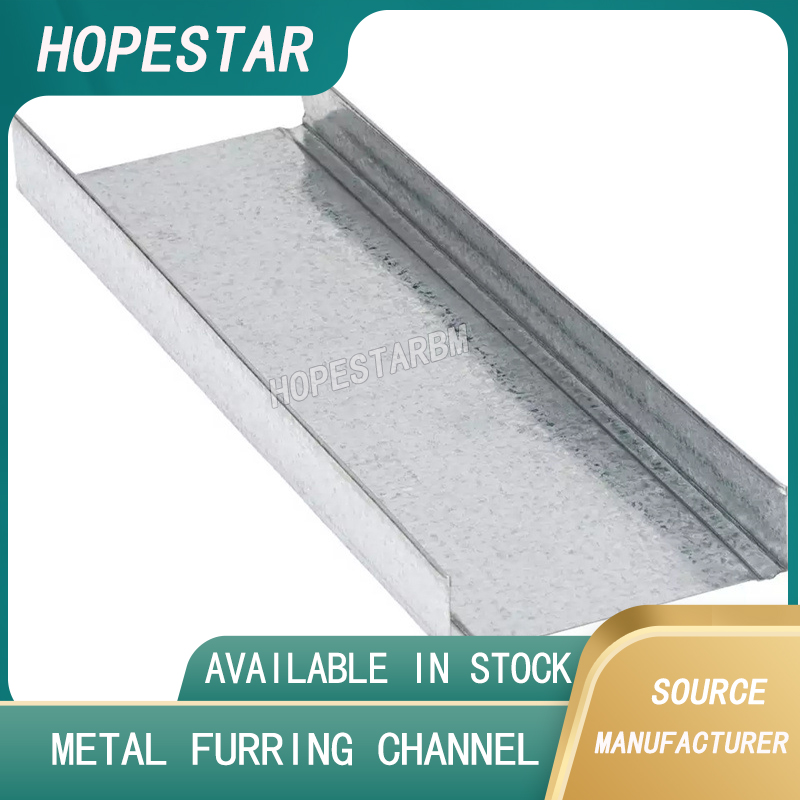
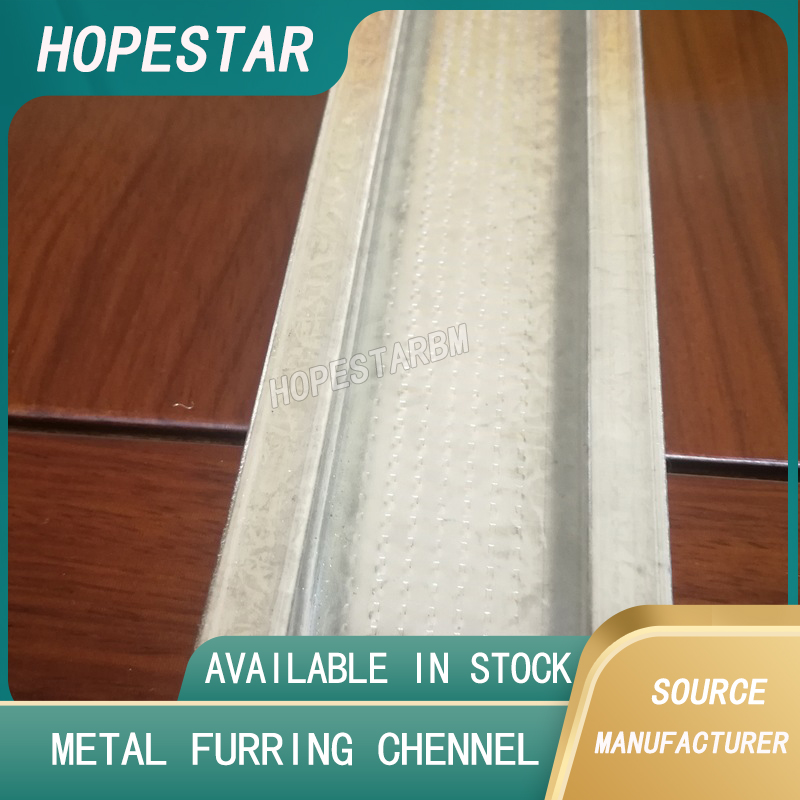
A furring hat channel, sometimes called a hat furring channel, is a cold-formed steel or aluminum profile that resembles the shape of a hat — with a flat top and two downward-sloping flanges. It is installed horizontally or vertically across structural framing members to provide a secure base for attaching drywall, gypsum boards, or other surface materials. The unique shape helps distribute weight evenly while maintaining space between the structural wall and the finishing layer.
Common Materials and Sizes
Most furring hat channels are manufactured from galvanized steel, which offers high corrosion resistance and long-lasting durability. Aluminum versions are also used in projects where lightweight materials or additional rust protection are required.
Standard sizes usually range from 25mm to 28mm in depth, but custom dimensions are available depending on the project specifications. The choice of size and gauge depends on load requirements, spacing between supports, and environmental conditions.
Key Advantages of Using Furring Hat Channels
-
Smooth and Level Surface:
Furring hat channels create a flat plane for installing drywall or ceiling panels, even when the structural base is uneven. -
Sound and Thermal Insulation:
When combined with insulation materials, these channels improve acoustic performance and thermal efficiency, making interiors quieter and more energy-efficient. -
Corrosion and Moisture Resistance:
The galvanized coating protects the metal from rust, ensuring longevity even in damp or humid environments like basements or bathrooms. -
Enhanced Structural Integrity:
They reinforce the connection between the wall or ceiling framework and the finishing material, reducing the risk of cracks or sagging over time. -
Easy Installation and Flexibility:
Furring hat channels are lightweight and easy to handle. They can be fastened directly to wood, metal studs, or concrete using screws or clips, offering flexibility for various applications.
Applications in Construction
-
Drywall and Ceiling Systems: Used as a base frame for plasterboard installation in both residential and commercial buildings.
-
Cladding and Facades: Provides support and alignment for exterior wall cladding systems.
-
Acoustic Ceilings: Essential in soundproofing applications such as studios, theaters, and office partitions.
-
Renovation Projects: Ideal for leveling old or uneven walls without major structural changes.
Installation Tips
To ensure optimal performance:
-
Maintain proper spacing between channels (typically 400mm–600mm apart).
-
Use corrosion-resistant fasteners for added longevity.
-
Align channels precisely before attaching panels to avoid surface irregularities.
-
For ceilings, use suspension wires or clips according to load requirements.
Conclusion
A furring hat channel may seem like a simple metal profile, but it plays a vital role in achieving smooth, stable, and professional finishes in modern construction. Whether you’re installing drywall, building ceilings, or enhancing acoustic performance, furring hat channels deliver reliability, strength, and versatility that every contractor or builder can trust.
What Is a Furring Hat Channel in Construction? Understanding Its Role and Importance
Exploring the Different Types of Metal Furring for Modern Construction
Related Article