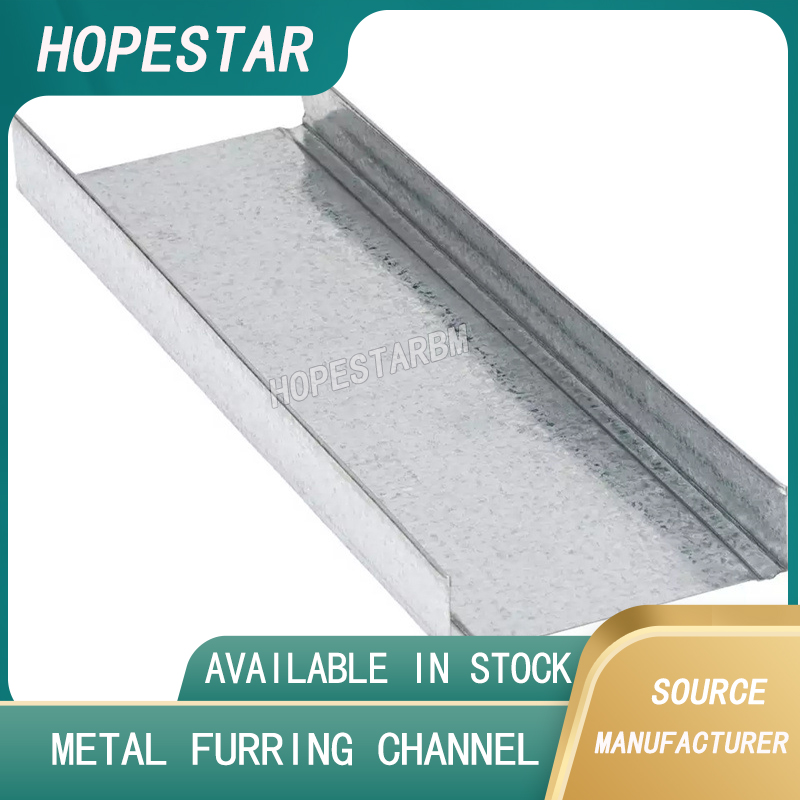
Steel Structure Building Steel Channel: The Foundation of Strength and Precision in Modern Construction

In today’s fast-paced construction industry, steel structure building steel channels have become an essential element in achieving durable, cost-effective, and high-performance architectural designs. These structural components provide the framework for countless modern buildings — from warehouses and factories to office complexes and residential towers. Known for their strength, versatility, and adaptability, steel channels form the backbone of structural integrity and precision in both large-scale and small-scale projects.
What Is a Steel Channel in Steel Structure Buildings?
A steel structure building steel channel is a type of rolled steel profile shaped like the letter “C” or “U,” commonly used to construct the skeleton of steel buildings. It is made from hot-rolled or cold-formed steel and designed to support loads and distribute structural stress efficiently. Depending on its use, steel channels can serve as beams, columns, bracing members, or wall supports within the overall steel framework.
These channels are usually categorized by their dimensions and thickness, with standard types including C-channels, U-channels, and PFC (Parallel Flange Channels). The versatility of these profiles allows engineers to adapt them to various architectural and mechanical requirements.
Key Features of Steel Structure Building Steel Channels
-
High Load-Bearing Capacity:
Steel channels provide excellent strength-to-weight ratio, capable of supporting heavy loads without significant deflection. This makes them ideal for use in large-span structures and high-rise buildings. -
Dimensional Accuracy:
Modern manufacturing techniques ensure that steel channels maintain precise dimensions and uniform quality, guaranteeing a consistent fit during assembly and installation. -
Corrosion and Weather Resistance:
Many steel channels are galvanized or treated with anti-corrosive coatings, making them suitable for use in harsh environments such as coastal areas, industrial zones, or humid climates. -
Ease of Fabrication and Installation:
Steel channels are lightweight and easy to cut, weld, and assemble on-site. They can be prefabricated to exact specifications, reducing construction time and labor costs. -
Compatibility with Other Materials:
Steel channels can be integrated with concrete, timber, or composite materials to create hybrid structures that combine the best of strength, flexibility, and aesthetics.
Applications of Steel Channels in Steel Structure Buildings
Steel structure building steel channels are used in a wide variety of construction applications, including:
-
Main Structural Frameworks:
Acting as beams, columns, or trusses in factories, warehouses, and workshops. -
Roof and Wall Systems:
Serving as purlins and girts to support roofing panels, wall cladding, and insulation materials. -
Floor Support Systems:
Used as joists or floor beams to ensure stable and even load distribution. -
Bracing and Reinforcement:
Providing lateral support and resistance against wind, seismic, and dynamic forces. -
Architectural and Decorative Elements:
In modern architecture, steel channels are also used in exposed ceiling grids, partitions, and decorative facades for a sleek industrial look.
Advantages of Using Steel Channels in Structural Construction
-
Strength and Durability:
Steel channels ensure long-term stability, withstanding heavy loads, impacts, and vibrations better than traditional materials like wood or concrete. -
Lightweight yet Rigid:
Despite their low weight, steel channels maintain high rigidity, allowing engineers to design lighter, more efficient structures without compromising safety. -
Eco-Friendly and Recyclable:
Steel is 100% recyclable, which makes it a sustainable option for environmentally conscious construction projects. -
Design Flexibility:
Engineers and architects can easily modify channel sizes, thicknesses, and configurations to meet specific project requirements, whether for industrial, commercial, or residential use. -
Cost Efficiency:
Prefabricated steel channels minimize on-site waste, reduce construction time, and lower labor costs — all while maintaining structural excellence.
Installation and Structural Integration
The process of installing steel structure building steel channels involves careful planning and precision engineering. Channels are typically connected using bolts, welding, or rivets, depending on the design and load conditions. Before installation, structural engineers calculate load capacities, spacing, and alignment to ensure optimal performance.
For large projects, steel channels are often pre-engineered and delivered to the site ready for assembly. This not only accelerates construction but also ensures uniformity and quality control. Proper alignment, anchoring, and periodic inspection are essential to maintain the structure’s integrity over time.
Future Trends in Steel Channel Construction
As construction technology evolves, steel structure building steel channels continue to adapt to modern needs. The demand for lightweight, earthquake-resistant, and energy-efficient structures has encouraged the development of high-strength, low-alloy steels and modular design systems. Moreover, digital tools such as BIM (Building Information Modeling) are improving accuracy in channel layout and structural coordination, further optimizing material use and reducing waste.
Conclusion
The steel structure building steel channel represents more than just a structural component — it is the foundation of strength, precision, and innovation in modern construction. Its combination of durability, flexibility, and efficiency makes it a key material for building safe, sustainable, and visually impressive structures. As architectural design continues to evolve, steel channels will remain indispensable to engineers and builders who aim to balance strength, aesthetics, and cost-effectiveness in every project.
Advantages and Applications of 28mm Furring Channel in Modern Construction
Choosing the Right Metal Furring Size for Ceiling: A Key Factor in Structural Strength and Design Efficiency
Related Article