Choosing the Right Metal Furring Size for Ceiling: A Key Factor in Structural Strength and Design Efficiency
When it comes to creating durable and visually appealing ceiling systems, selecting the correct metal furring size for ceiling is one of the most critical steps in the construction process. Metal furring channels serve as the skeleton that supports ceiling panels, ensuring structural integrity, smooth finishes, and long-term stability. Understanding their sizes, applications, and installation requirements can help builders, architects, and contractors achieve optimal results in both residential and commercial projects.
What Is Metal Furring for Ceiling?
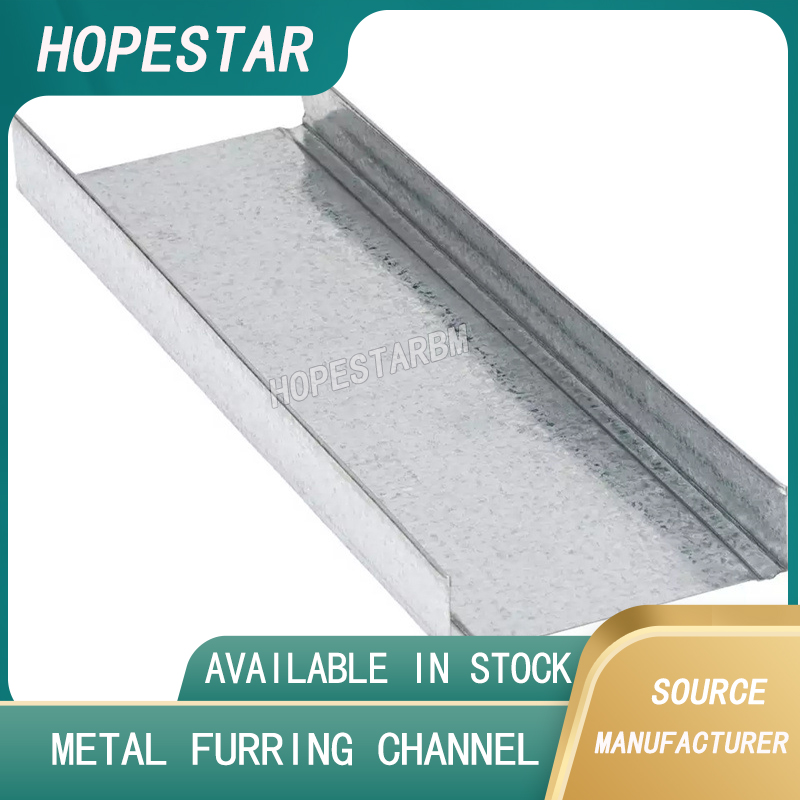
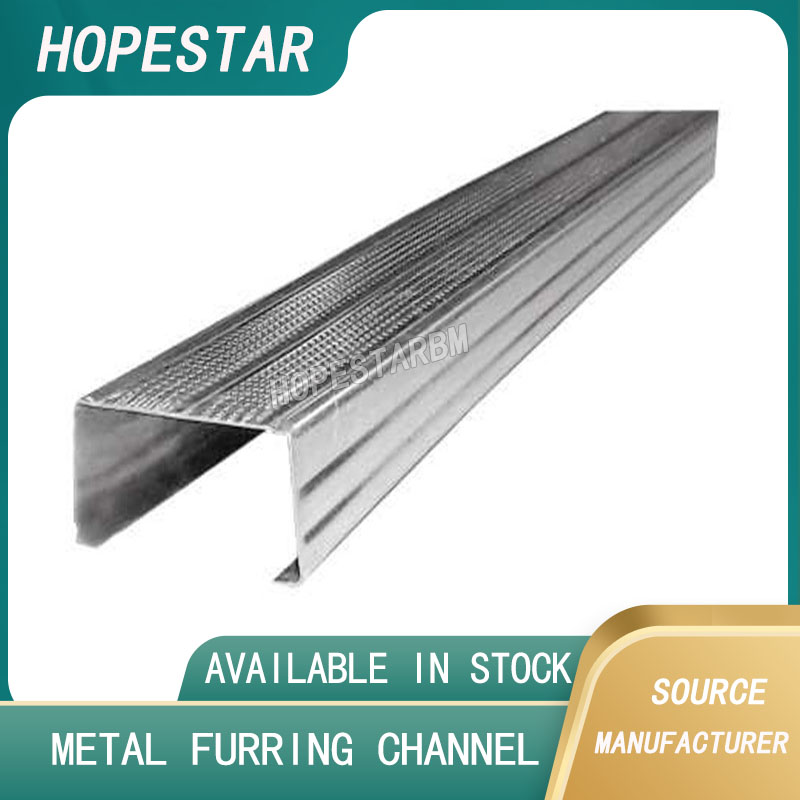
Metal furring refers to light-gauge galvanized steel channels used to provide a stable and level surface for attaching ceiling boards such as gypsum, plasterboard, or acoustic tiles. They create a concealed framework that distributes weight evenly across the ceiling area and conceals wiring, ductwork, or insulation materials. The metal furring size for ceiling determines how much load the system can carry and how efficiently it performs in different environments.
Common Metal Furring Sizes
Metal furring channels come in a range of sizes to suit various ceiling heights, load requirements, and design specifications. The most commonly used sizes include:
-
19mm x 50mm (Hat Channel): Ideal for light-duty ceiling systems and smaller residential rooms.
-
25mm x 50mm: A versatile size used for both residential and light commercial ceilings.
-
38mm x 50mm: Suitable for areas that require additional strength, such as offices or classrooms.
-
Custom Sizes: For larger spans or special architectural designs, custom-sized furring channels can be fabricated according to project needs.
The length of furring channels typically ranges from 2.4m to 4.0m, but they can be cut to specific dimensions on-site for precise fitting.
Importance of Selecting the Right Metal Furring Size
Choosing the appropriate metal furring size for ceiling directly impacts the ceiling’s performance, durability, and aesthetic quality. The wrong size could lead to sagging, uneven surfaces, or structural instability. Below are key considerations when selecting the right size:
-
Ceiling Height and Span:
Higher ceilings or wider spans require larger and thicker furring channels to prevent deflection and maintain rigidity. -
Panel Type and Weight:
Heavier materials like cement boards or acoustic panels demand stronger metal furring with higher load-bearing capacity. -
Environmental Conditions:
In humid or coastal areas, using corrosion-resistant galvanized steel with a suitable thickness (usually 0.5mm to 0.8mm) ensures long-term durability. -
Design and Aesthetics:
For curved or decorative ceilings, flexible or smaller-size furring channels are often preferred to achieve precise contours.
Benefits of Metal Furring in Ceiling Construction
-
Lightweight but Strong:
Despite their minimal weight, metal furring channels provide excellent structural support. They can handle significant loads without warping or cracking, unlike traditional wooden framing. -
Corrosion and Fire Resistance:
Made from galvanized steel, metal furring channels resist rust, moisture, and fire, making them suitable for all types of buildings, including hospitals and commercial centers. -
Smooth Surface Finish:
Properly installed furring channels ensure that ceiling panels are perfectly level, resulting in a seamless and professional appearance. -
Easy Installation:
Pre-punched holes in the channels allow for straightforward attachment to the main structure and simplify the installation of electrical or plumbing systems. -
Cost-Effective and Long-Lasting:
Metal furring systems require minimal maintenance, reducing long-term costs while providing decades of reliable performance.
Installation Tips for Metal Furring Ceiling Systems
To ensure the best outcome, proper installation techniques must be followed when working with metal furring size for ceiling:
-
Accurate Measurement and Marking:
Always begin by marking the ceiling layout and determining the spacing between furring channels, typically 400mm to 600mm apart, depending on panel size and weight. -
Secure Suspension:
Use hangers or clips to attach the furring channels securely to the ceiling joists or main runners, ensuring even alignment across the area. -
Leveling:
Check alignment using a laser or spirit level to prevent uneven surfaces, especially in large commercial installations. -
Panel Fixing:
Once the furring channels are in place, attach the ceiling boards using drywall screws. Ensure screw spacing is consistent to avoid cracks or bulges.
Applications of Metal Furring Ceiling Systems
Metal furring is used in a wide variety of settings, including:
-
Residential homes for smooth drywall ceilings
-
Offices and commercial buildings for acoustic and decorative ceilings
-
Shopping malls and hotels for concealed lighting or suspended ceiling systems
-
Industrial facilities for durable, low-maintenance overhead structures
Because of their flexibility and strength, metal furring systems are compatible with nearly all ceiling designs—from flat and suspended to curved and multi-level structures.
Conclusion
Selecting the proper metal furring size for ceiling is more than a technical detail—it’s a foundation for safety, durability, and design quality. The right size ensures optimal load distribution, alignment, and longevity, while simplifying installation and reducing future maintenance. As construction trends continue to emphasize efficiency and sustainability, galvanized steel furring channels remain the preferred choice for modern ceiling systems. By combining precision engineering with practical functionality, they continue to define the standard for interior ceiling construction worldwide.
Steel Structure Building Steel Channel: The Foundation of Strength and Precision in Modern Construction
Understanding Drywall System Profile Channel: The Backbone of Modern Interior Construction
Related Article