Understanding Drywall System Profile Channel: The Backbone of Modern Interior Construction
In modern construction, drywall system profile channels have become an indispensable component for creating durable, cost-effective, and aesthetically pleasing walls and ceilings. These metal framing elements form the structural backbone of drywall installations, ensuring stability, precision, and long-term performance. Whether for residential, commercial, or industrial buildings, understanding the role and advantages of drywall system profile channels is crucial for achieving high-quality interior finishes.
What Is a Drywall System Profile Channel?
A drywall system profile channel is a type of metal framing, typically made from galvanized steel, used to support gypsum boards or other wall and ceiling panels. These channels form a concealed substructure that holds drywall sheets in place while allowing for easy installation of electrical wiring, insulation, and acoustic materials. The system usually includes several types of profiles such as studs, tracks, furring channels, and ceiling grids, each performing a specific function within the overall structure.
Types of Drywall System Profile Channels
-
Metal Studs (C-Channels):
These vertical profiles are fixed between the top and bottom tracks to form the main framework for partition walls. They provide excellent load-bearing capacity and help maintain structural alignment. -
U-Tracks (Perimeter Channels):
These horizontal profiles run along the floor and ceiling, serving as a guide and anchor for the metal studs. They define the position and shape of the wall. -
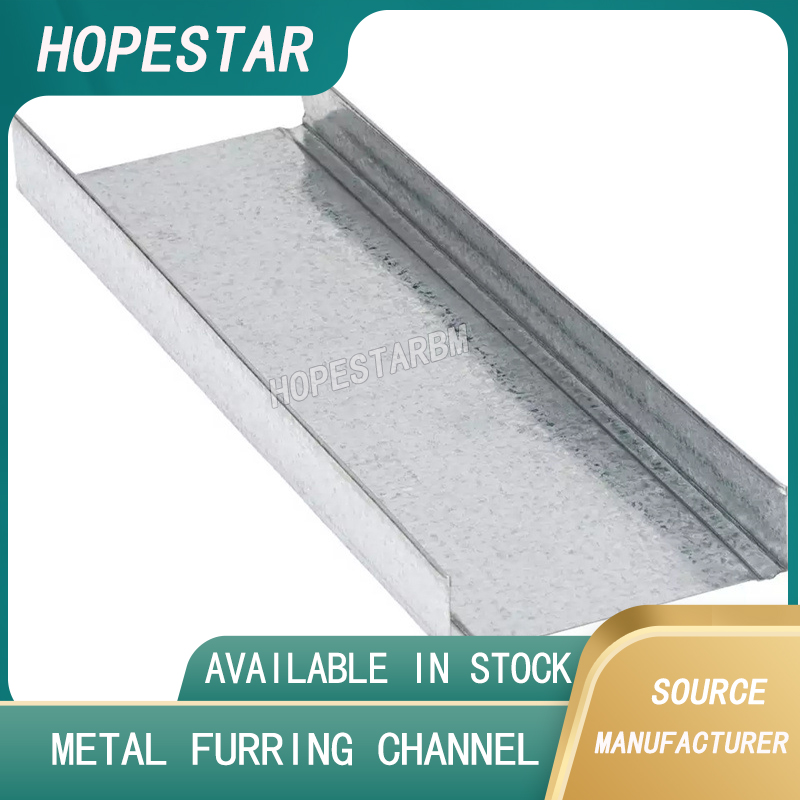
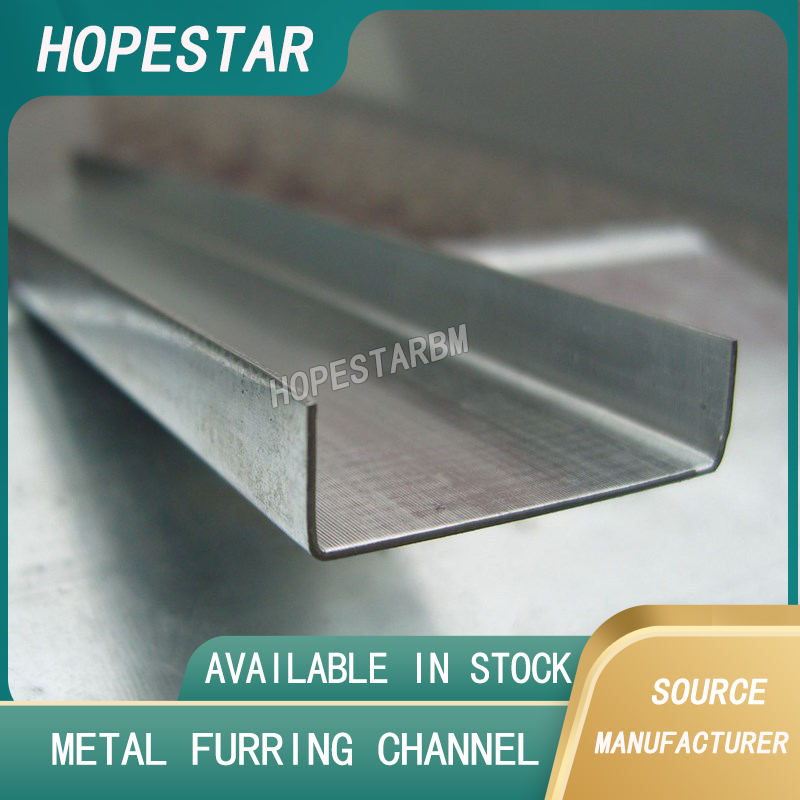
Furring Channels:
Used for ceiling systems and wall cladding, furring channels create a level surface for fixing drywall sheets. They are especially useful for uneven or irregular surfaces. -
Corner Beads and Accessories:
These profiles protect edges and corners from damage, ensuring a clean and professional finish for the drywall installation.
Advantages of Using Drywall System Profile Channels
The use of drywall system profile channels offers numerous advantages compared to traditional wood framing or masonry construction:
-
Durability and Stability:
Made from galvanized steel, these profiles resist corrosion, moisture, and termites. They maintain their shape and strength over time, even under varying temperature and humidity conditions. -
Lightweight and Easy to Install:
Metal profiles are much lighter than traditional materials, allowing for faster installation and easier handling on-site. Pre-punched holes in the studs simplify the routing of electrical and plumbing systems. -
Precision and Consistency:
Because they are factory-manufactured, drywall profile channels have consistent dimensions and quality. This ensures straight walls and ceilings, enhancing the overall visual appearance of the interior space. -
Fire and Acoustic Performance:
Combined with gypsum boards and insulation, these channels contribute to excellent fire resistance and soundproofing, which are essential for offices, schools, hospitals, and residential buildings. -
Sustainability:
Steel profile channels are recyclable and environmentally friendly. They help reduce construction waste and align with modern green building standards.
Applications of Drywall System Profile Channels
Drywall system profile channels are widely used across various applications, including:
-
Partition walls in office buildings and homes
-
Ceiling systems in commercial and retail spaces
-
Wall linings for soundproofing and insulation
-
Fire-rated enclosures in industrial facilities
-
Architectural designs such as curved or decorative walls
Their flexibility allows architects and contractors to design interiors that meet both functional and aesthetic requirements.
Installation and Maintenance
Installing a drywall system profile channel framework requires careful planning and precision. The process typically involves:
-
Measuring and marking the layout.
-
Fixing U-tracks to the floor and ceiling.
-
Inserting and securing C-studs at regular intervals.
-
Adding furring channels for ceiling or wall reinforcement.
-
Attaching gypsum boards using drywall screws.
Maintenance is minimal, as galvanized steel profiles do not warp, shrink, or crack. Periodic inspections are sufficient to ensure the system remains intact and corrosion-free.
Conclusion
The drywall system profile channel plays a pivotal role in shaping modern construction techniques. It offers strength, flexibility, and efficiency while meeting high standards of safety and design. By combining technological precision with practical advantages, it enables builders to construct reliable and aesthetically pleasing spaces with ease. As sustainable and lightweight materials continue to dominate the construction industry, drywall system profile channels will remain a fundamental choice for professionals seeking quality and innovation.
Choosing the Right Metal Furring Size for Ceiling: A Key Factor in Structural Strength and Design Efficiency
The Role of Steel Stud Track in Strong and Efficient Wall Framing Systems
Related Article