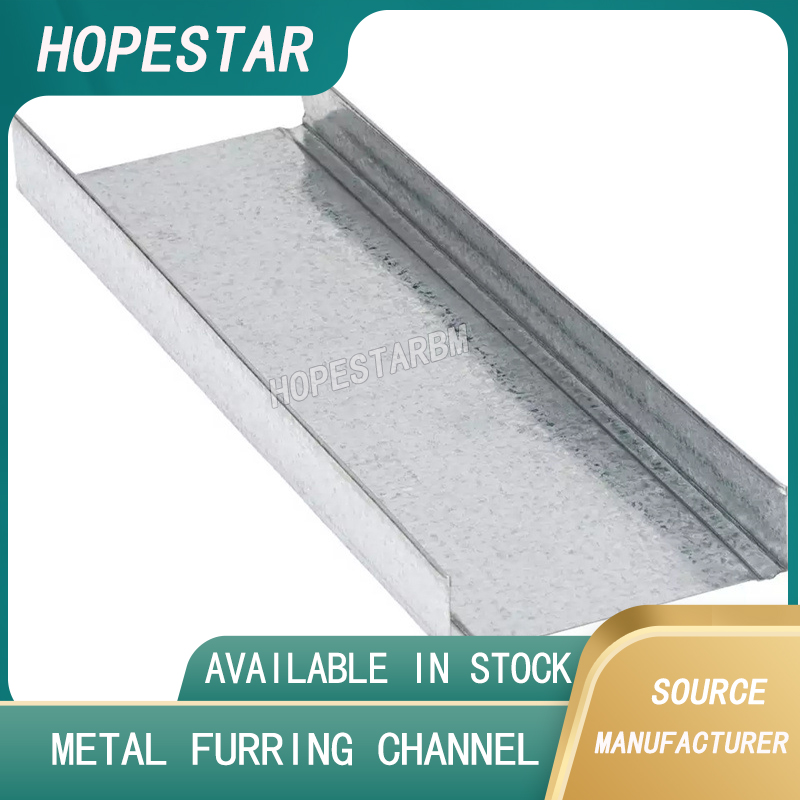
Understanding Metal Furring Length: Why It Matters in Construction Projects
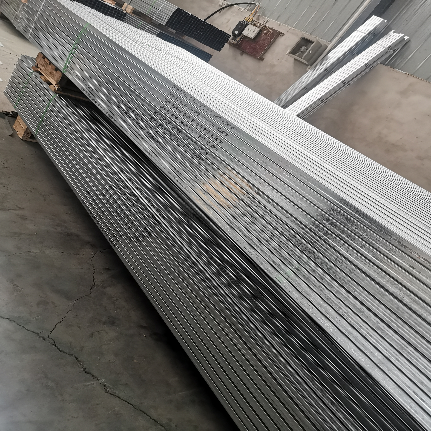
When it comes to building durable and level wall or ceiling systems, metal furring is one of the most important framing components. However, one factor that is often overlooked during installation planning is the metal furring length. Choosing the right length of metal furring channel directly impacts structural strength, installation efficiency, and overall project cost.
What Is Metal Furring Length?
The metal furring length refers to the total linear measurement of the furring channel, typically expressed in millimeters or feet. Standard lengths range from 8 to 12 feet (or 2400 mm to 3600 mm), depending on manufacturer and application. These channels are made from galvanized steel and can be cut or extended to fit specific construction requirements.
In commercial and residential projects, selecting the correct metal furring length ensures consistent spacing, minimal waste, and better alignment for attaching drywall, cladding, or acoustic panels.
Why Metal Furring Length Is Important
-
Structural Stability – Using the proper length maintains uniform load distribution across the ceiling or wall, preventing sagging or misalignment.
-
Installation Efficiency – Longer channels reduce the number of joints, which speeds up installation and decreases labor costs.
-
Material Optimization – Correct length selection minimizes offcuts and material waste, making the project more cost-effective.
-
Design Flexibility – Different metal furring lengths allow contractors to adapt easily to room dimensions, ceiling heights, and architectural details.
Common Length Options and Customization
Manufacturers offer a variety of metal furring lengths to suit different construction needs. The most common lengths include:
-
2400 mm (8 feet)
-
3000 mm (10 feet)
-
3600 mm (12 feet)
For large-scale or unique projects, custom lengths can also be produced to match exact specifications. Contractors often prefer custom cutting on-site for precision fitting, especially in irregular spaces or complex ceiling designs.
Applications of Metal Furring with Correct Lengths
-
Drywall Systems: Proper lengths help maintain an even and stable surface for gypsum boards.
-
Suspended Ceilings: Long metal furring channels reduce connection points, enhancing the ceiling’s strength.
-
Cladding Frameworks: Correct lengths ensure stable support for exterior or interior wall panels.
-
Acoustic Ceilings: Using continuous furring channels at the right length helps improve sound insulation and performance.
Tips for Selecting the Right Metal Furring Length
-
Measure wall and ceiling spans accurately before ordering.
-
Consider transportation and handling—longer channels may be more challenging to move in tight areas.
-
Always ensure the metal furring length complies with local building standards and structural load requirements.
-
When in doubt, consult with a professional supplier or structural engineer to confirm the best length for your project.
Conclusion
The metal furring length may seem like a small detail, but it plays a major role in achieving a flawless and stable building structure. Choosing the right length can save time, reduce waste, and ensure that every ceiling or wall installation is strong and perfectly aligned. For professional contractors and builders aiming for precision and durability, understanding and selecting the right metal furring length is essential for success in any construction project.
Exploring Galvanized Keel Accessories: The Backbone of Modern Construction Frameworks
The Essential Guide to Metal Furring Channel: Structure, Benefits, and Applications
Related Article