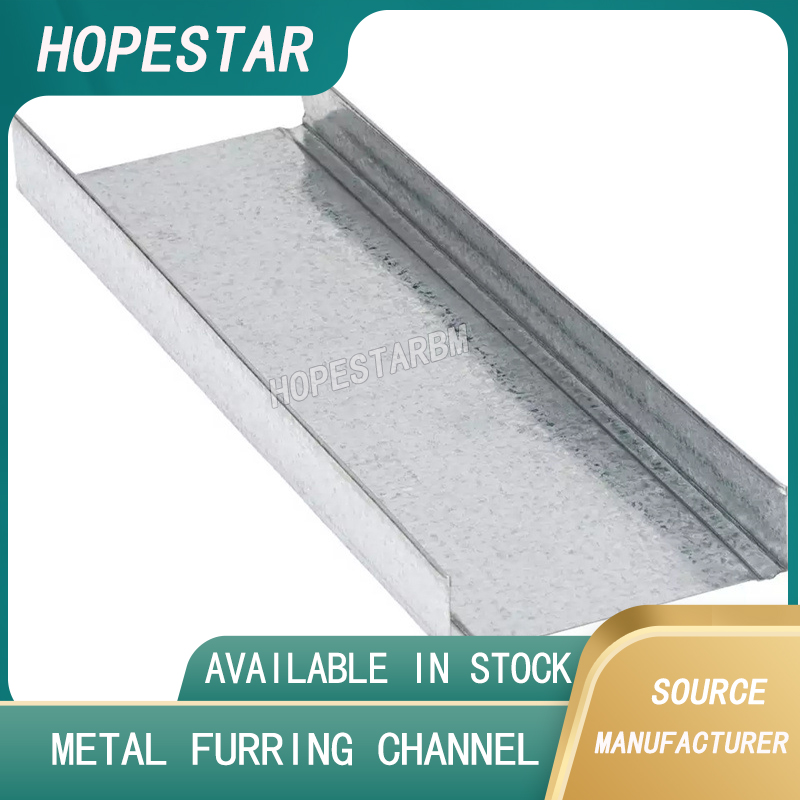
Furring Channel: Essential Guide for Modern Construction
In the world of modern construction and interior finishing, the furring channel plays a critical role in achieving smooth, stable, and long-lasting surfaces. Whether you are working on residential, commercial, or industrial projects, furring channels provide a reliable framework for supporting drywall, ceilings, and cladding materials. Their versatility and strength make them one of the most in-demand building components today.
What Is a Furring Channel?
A furring channel is a thin, lightweight steel profile designed to provide a stable surface for attaching plasterboard, drywall, or other finishing materials. It is usually manufactured from galvanized steel, which makes it resistant to rust and corrosion, ensuring durability even in humid or high-moisture environments. Furring channels are typically shaped with a hat-like profile or C-section design, which makes them strong while remaining easy to handle and install.
Applications of Furring Channel
The furring channel has a wide range of applications across different construction projects:
-
Drywall Installation – One of the most common uses of a furring channel is to support drywall sheets. It ensures that walls are straight and free from irregularities.
-
Suspended Ceilings – In ceiling systems, furring channels provide a framework for fixing ceiling boards or tiles, making them level and stable.
-
Cladding and Paneling – When used behind wall cladding or panels, the furring channel creates a gap that allows for better ventilation and moisture control.
-
Acoustic Insulation – A furring channel helps improve soundproofing by separating drywall from the structural wall, reducing sound transmission.
-
Fire-Resistant Systems – Many fire-rated wall systems rely on furring channels as part of their structural framework.
Benefits of Using Furring Channel
Choosing the right furring channel brings numerous advantages to builders, contractors, and property owners:
-
Durability – Made from galvanized steel, furring channels are highly resistant to wear, rust, and deformation.
-
Easy Installation – Their lightweight design makes them simple to transport, cut, and fix into place.
-
Cost-Effectiveness – They offer long-term savings by reducing maintenance and replacement needs.
-
Improved Surface Quality – Furring channels eliminate uneven wall or ceiling surfaces, allowing for a professional finish.
-
Versatility – Suitable for different wall and ceiling systems, from offices to apartments and commercial buildings.
Standard Sizes of Furring Channel
Furring channels come in various sizes to meet the demands of different projects. The most common sizes are:
-
Width: 16mm, 20mm, 25mm, and 35mm
-
Length: 3 meters to 6 meters
-
Thickness: 0.5mm to 1.2mm
Custom lengths and thicknesses are also available depending on project requirements. The choice of size depends on the load-bearing capacity, type of wall system, and overall design.
How to Install a Furring Channel
The installation process of a furring channel is straightforward but requires precision:
-
Marking the Layout – Start by marking the ceiling or wall grid lines where channels will be fixed.
-
Fixing the Main Support – Install wall angles or suspension clips to provide the initial support system.
-
Placing the Furring Channels – Secure the furring channels horizontally or vertically, depending on the application.
-
Attaching Drywall or Panels – Once the frame is complete, drywall sheets or cladding panels can be screwed directly onto the furring channels.
Proper spacing and alignment are critical to ensure stability and a smooth finish.
Why Contractors Choose Furring Channel
Professional builders and contractors prefer using a furring channel because it improves project efficiency, ensures long-lasting results, and meets modern building standards. Unlike wood battens, steel furring channels are not susceptible to warping, shrinking, or termite damage. This makes them a sustainable and reliable choice for both large-scale developments and smaller renovation projects.
Conclusion
The furring channel is an indispensable part of modern construction, offering strength, stability, and versatility for walls, ceilings, and cladding systems. Its ability to provide a smooth surface, support heavy loads, and resist corrosion makes it the top choice for contractors worldwide. Whether you are building a new home, renovating an office, or installing a suspended ceiling, the furring channel ensures a professional, high-quality finish.
By understanding its uses, benefits, and installation methods, you can make the most out of this essential building material and create structures that last for decades.
The Advantages of Using Metal Furring Channel in Modern Construction
Advantages and Features of Canadian Light Steel Keel
Related Article