Steel Stud Track: Essential Guide for Modern Drywall Construction
In modern construction, creating durable and precise wall and ceiling frameworks requires reliable components. One of the most important elements in drywall framing is the steel stud track. Serving as the base for vertical steel studs, the steel stud track ensures stability, alignment, and long-term structural integrity. Builders, contractors, and DIY enthusiasts must understand the types, applications, and installation methods of steel stud track to guarantee professional results.
What Is a Steel Stud Track?
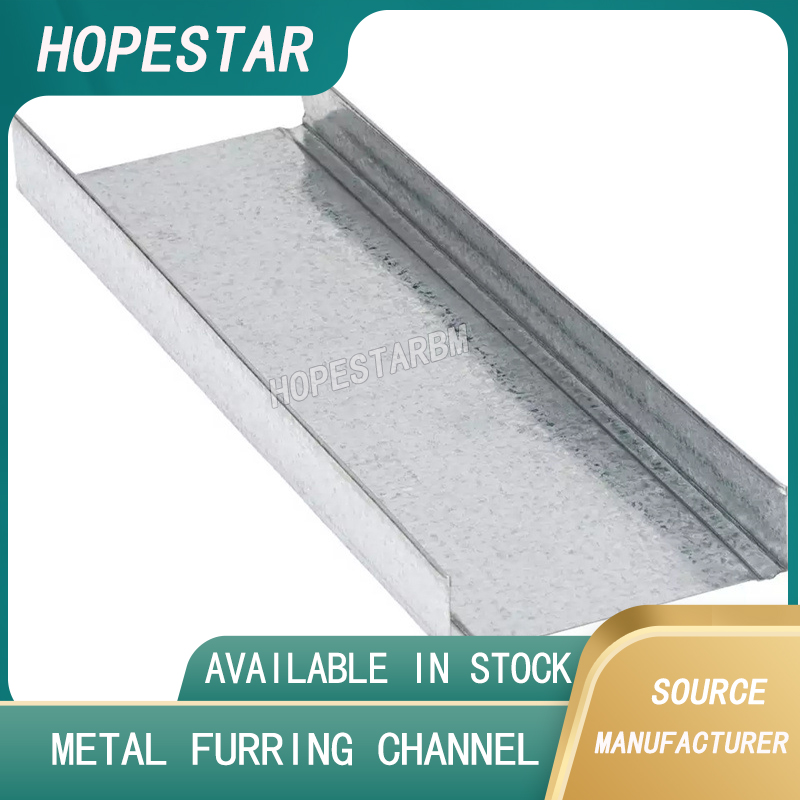
A steel stud track is a horizontal metal channel that forms the top and bottom boundary of a wall or partition system. Made from cold-rolled steel, it provides a strong yet lightweight foundation to hold vertical steel studs in place. Unlike traditional wood framing, steel stud tracks resist warping, twisting, and insect damage, making them ideal for both residential and commercial projects.
Key Benefits of Steel Stud Track
1. Structural Stability
By securing vertical studs at both the floor and ceiling, the steel stud track maintains the wall’s shape and prevents movement over time. This is crucial for load-bearing and non-load-bearing walls alike.
2. Precision and Alignment
Installing a steel stud track ensures that every stud remains perfectly straight and aligned. This leads to smooth drywall finishes and reduces the need for adjustments during installation.
3. Fire Resistance
Cold-rolled steel tracks are non-combustible, offering enhanced fire safety compared to wood. Using steel stud tracks in combination with fire-rated drywall can help meet strict building codes.
4. Durability and Longevity
Steel is resistant to moisture, termites, and rot. Walls framed with steel stud track remain sturdy and maintain their shape over decades, minimizing maintenance and repair costs.
5. Ease of Installation
Steel stud tracks are lightweight and easy to cut to size. They can be quickly anchored to floors and ceilings, streamlining the construction process while maintaining high standards of accuracy.
Common Applications of Steel Stud Track
-
Residential Construction: Interior partitions, basement walls, and renovations.
-
Commercial Buildings: Office walls, conference rooms, and retail spaces where precision and fire safety are important.
-
Industrial Projects: Warehouses and factories often use steel stud tracks to create durable partition systems.
-
Acoustic and Insulated Walls: Steel stud tracks can be combined with insulation or sound-dampening materials to improve acoustic performance.
Standard Sizes and Types
The most commonly used steel stud track sizes vary by project requirements:
-
Widths: Typically 1 5/8", 2 1/2", and 3 5/8" to accommodate corresponding steel studs.
-
Gauge Thickness: From 20 gauge (heavier, for load-bearing) to 25 gauge (light-duty applications).
-
Lengths: Standard tracks are available in 10 ft, 12 ft, and 12 ft 6 in, though custom lengths can be cut on-site.
Installation Guidelines
-
Prepare the Surface: Ensure floors and ceilings are clean and level before installation.
-
Measure and Mark Layout: Mark the locations of the top and bottom tracks to align with the desired stud spacing, usually 16" or 24" on center.
-
Anchor the Tracks: Secure the steel stud track to the floor and ceiling using screws or anchors suitable for the substrate.
-
Insert Vertical Studs: Fit steel studs into the track and fasten them, maintaining vertical alignment.
-
Add Drywall: Attach drywall panels to the steel studs for a strong, level wall system.
Why Choose Steel Stud Track Over Wood
-
Consistent dimensions with no warping.
-
Higher fire resistance and pest resistance.
-
Lightweight yet strong, reducing structural load.
-
Compatible with modern insulation, soundproofing, and drywall systems.
Conclusion
The steel stud track is a fundamental component in modern drywall framing. From residential renovations to large commercial projects, it provides precision, strength, and longevity. By understanding its types, benefits, and proper installation methods, builders can ensure walls and partitions that are safe, durable, and aesthetically perfect. Using steel stud tracks not only enhances construction quality but also simplifies the process, making it a preferred choice over traditional wood framing.
Advantages and Features of Canadian Light Steel Keel
Furring Ceiling for Drywall: A Complete Guide for Modern Construction
Related Article