Furring Ceiling for Drywall: A Complete Guide for Modern Construction
In modern interior construction, achieving a perfectly level ceiling is crucial for both aesthetics and functionality. One of the most reliable methods to ensure this is using a furring ceiling for drywall system. Whether in residential homes, commercial offices, or industrial spaces, this method provides a durable and stable framework for attaching drywall panels. Understanding how a furring ceiling works, its benefits, and proper installation techniques is essential for builders, contractors, and DIY enthusiasts.
What Is a Furring Ceiling for Drywall?
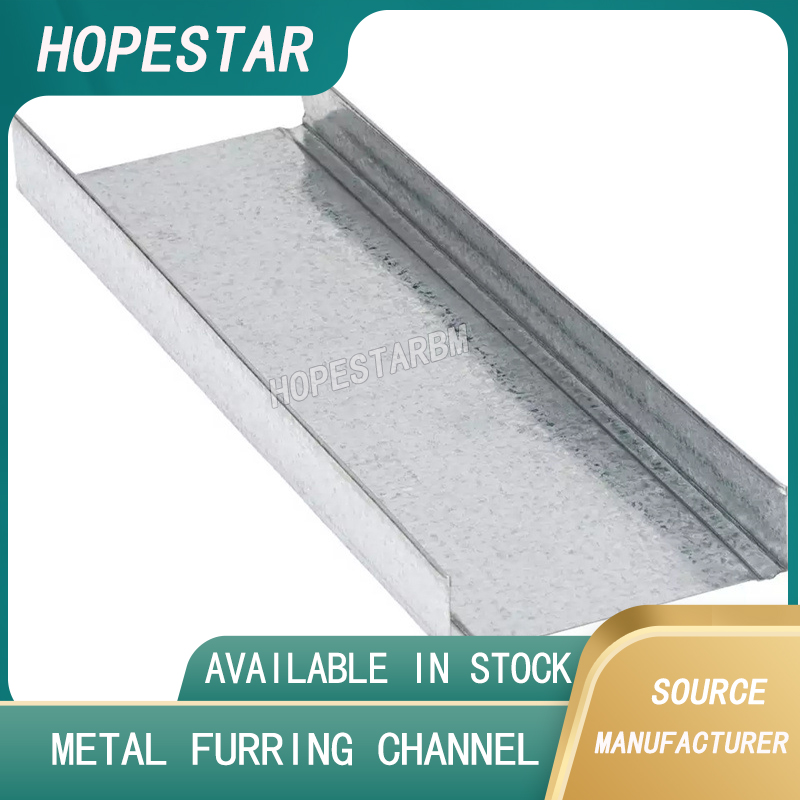
A furring ceiling for drywall involves a framework of metal or wooden channels, known as furring strips, installed perpendicular to the main structural joists of a ceiling. These strips create a level surface to which drywall sheets can be securely attached. Metal furring strips are typically made of galvanized steel or aluminum, while wooden furring strips are made from kiln-dried lumber. Metal furring is preferred in modern construction due to its resistance to warping, fire, and pests.
Key Advantages of Furring Ceilings for Drywall
1. Level and Smooth Finish
Uneven ceilings are a common challenge in older buildings or during renovations. Using a furring ceiling for drywall ensures a flat, level surface, eliminating bumps and inconsistencies for a polished finish.
2. Fire Resistance
Metal furring strips used in drywall ceilings are non-combustible, providing additional fire safety compared to wood. When combined with fire-rated drywall, this system helps meet local building codes and increases overall safety.
3. Soundproofing and Acoustics
A furring ceiling allows the installation of insulation or sound-dampening materials between the joists and furring strips. This improves acoustic performance, making it ideal for offices, apartments, and home theaters.
4. Durability and Longevity
Metal furring strips resist moisture, rot, termites, and other environmental hazards. This ensures that the furring ceiling for drywall remains straight and stable over time, reducing maintenance and repair costs.
5. Flexibility in Design
The furring system allows easy adjustments for recessed lighting, HVAC ducts, and other ceiling fixtures. It also enables leveling ceilings in uneven or sloped spaces, providing flexibility for creative architectural designs.
Types of Furring Used for Drywall Ceilings
-
Metal Hat Channels: Shaped like a small hat in cross-section, these channels are lightweight, easy to install, and ideal for most residential and commercial drywall ceilings.
-
Z Channels: These channels work well for ceilings where insulation or soundproofing is required, allowing space between the structural joist and drywall.
-
Wooden Furring Strips: Often used in smaller residential projects or where metal may be cost-prohibitive. Properly treated wood prevents warping and pest damage.
Installation Steps for Furring Ceiling for Drywall
-
Prepare the Ceiling Surface – Ensure the existing joists or substrate are clean and structurally sound.
-
Mark Level Lines – Use a laser level or chalk line to ensure the furring strips are installed at a consistent height.
-
Install Furring Strips – Attach metal or wooden strips perpendicular to the joists using screws, nails, or appropriate anchors. Maintain recommended spacing (usually 16–24 inches on center).
-
Add Insulation (Optional) – Place insulation between the joists or strips to enhance thermal and acoustic performance.
-
Attach Drywall Sheets – Secure drywall to the furring strips using drywall screws, ensuring tight seams and proper alignment.
-
Finish the Surface – Apply joint compound, sand, and paint for a smooth, professional finish.
Common Applications of Furring Ceilings for Drywall
-
Residential Homes: Living rooms, bedrooms, basements, and home theaters benefit from level ceilings and improved acoustics.
-
Commercial Spaces: Offices, retail stores, and conference rooms often use furring ceilings to conceal electrical wiring, HVAC systems, and achieve a polished aesthetic.
-
Industrial Buildings: Warehouses and factories may use furring ceilings to provide support for fire-rated drywall and insulation systems.
-
Renovations: Older buildings with uneven ceilings can be modernized using a furring ceiling, avoiding extensive structural modifications.
Why Choose a Furring Ceiling for Drywall Over Direct Attachment
While drywall can be attached directly to ceiling joists, using a furring ceiling for drywall offers numerous advantages:
-
Corrects uneven or sloped surfaces.
-
Provides space for insulation and soundproofing.
-
Increases fire safety when using metal furring.
-
Enhances durability by preventing warping and sagging.
-
Simplifies installation of lighting, HVAC, and other fixtures.
Steel Stud Track: Essential Guide for Modern Drywall Construction
Understanding Metal Furring Size: A Complete Guide for Builders and Contractors
Related Article