Understanding Metal Furring Size: A Complete Guide for Builders and Contractors
When it comes to interior construction, drywall framing, and ceiling systems, one of the most important elements is metal furring size. Choosing the right dimensions of metal furring channels determines the strength, stability, and finish quality of walls and ceilings. For builders, architects, and DIY enthusiasts, understanding metal furring size specifications is crucial for achieving both structural integrity and design efficiency.
What Is Metal Furring?
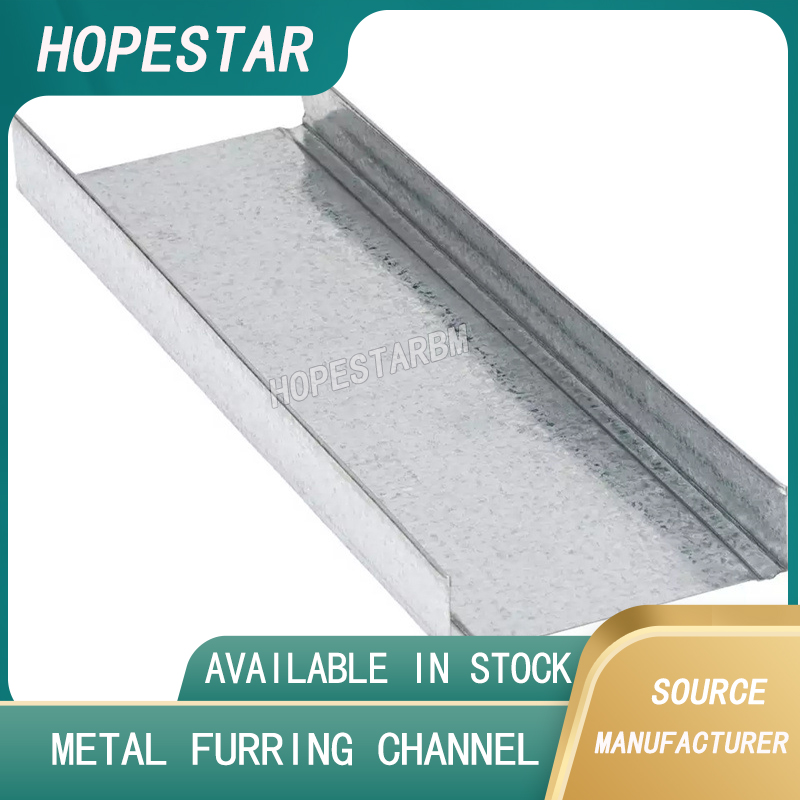
Metal furring refers to light-gauge steel channels used to create a framework for attaching drywall, ceiling boards, cladding, or insulation. These channels are designed to provide a level surface on uneven walls or ceilings, allowing for a smooth finish. The metal furring size indicates the length, width, depth, and gauge (thickness) of the channels, which vary depending on project requirements.
Why Metal Furring Size Matters
Selecting the correct metal furring size is not just about measurements. It impacts the overall performance of a construction project:
-
Load Capacity – Larger or thicker channels can support heavier materials and are essential for commercial buildings or high-rise projects.
-
Durability – The right size ensures the framework resists bending, sagging, or warping over time.
-
Installation Efficiency – Matching drywall board dimensions with appropriate metal furring size reduces cutting, waste, and labor costs.
-
Compliance with Building Codes – Different regions may require specific channel sizes to meet fire, seismic, or acoustic standards.
Common Metal Furring Sizes
While sizes may vary by manufacturer, the most widely used metal furring sizes include:
-
1/2 inch to 7/8 inch depth – Often used for light-duty partition walls or residential ceilings.
-
1-1/2 inch depth – Provides additional strength, commonly seen in commercial partitions and suspended ceilings.
-
Gauge thicknesses – Typically range from 25 gauge (0.5 mm) for light applications to 20 gauge (0.9 mm) or thicker for heavy-duty use.
-
Standard lengths – 8 feet, 10 feet, and 12 feet are common, although custom lengths can be ordered for large-scale projects.
Applications of Different Metal Furring Sizes
Residential Construction
For homes, lighter metal furring sizes are often sufficient. They provide reliable support for drywall installation, basement renovations, and small ceiling projects.
Commercial Projects
In offices, schools, and retail buildings, stronger and larger metal furring sizes are chosen to meet higher load and fire-safety requirements.
Industrial Buildings
Warehouses, factories, and other heavy-use structures often require thicker gauges and larger profiles to withstand long-term stress and environmental exposure.
Soundproofing Systems
Choosing the correct metal furring size also plays a role in acoustic design. Paired with resilient clips, the right channels can significantly reduce sound transmission.
Factors to Consider When Selecting Metal Furring Size
-
Type of Drywall or Cladding Material – Thicker boards require stronger furring channels.
-
Spacing Between Channels – Closer spacing allows for lighter sizes, while wider spacing demands thicker gauges.
-
Environmental Conditions – Humidity, fire safety, and seismic activity may dictate the minimum acceptable metal furring size.
-
Budget and Availability – While larger channels offer more strength, they may also increase project costs. Selecting the most efficient size ensures cost-effectiveness.
Furring Ceiling for Drywall: A Complete Guide for Modern Construction
The Importance of Drywall Furring Hat Channel in Modern Construction
Related Article