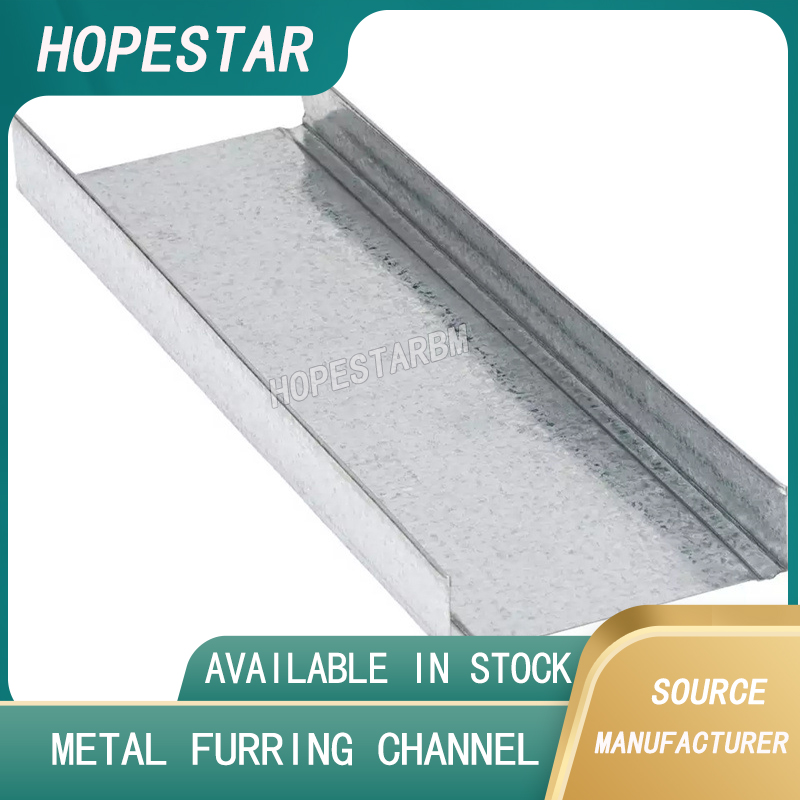
Steel Studs: Revolutionizing Modern Wall Construction
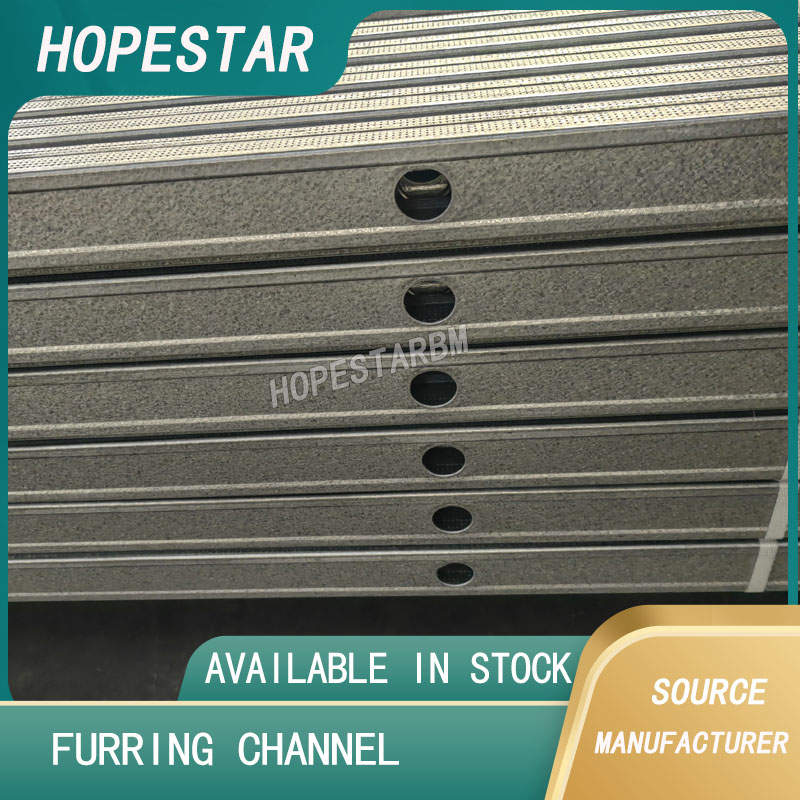
In modern construction, steel studs have become a preferred alternative to traditional wood framing for both residential and commercial projects. Lightweight, durable, and resistant to common issues such as warping or termites, steel studs provide superior performance and long-term stability. Understanding the benefits, specifications, and applications of steel studs can help builders, contractors, and architects make informed decisions for any project.
What Are Steel Studs?
Steel studs are cold-formed, hollow steel sections used to frame walls, partitions, and ceilings. They serve the same purpose as wooden studs but offer several advantages in terms of strength, durability, and versatility. Steel studs are typically manufactured from galvanized steel, which prevents rust and increases lifespan, making them ideal for areas with high humidity or moisture exposure.
Key characteristics include:
-
Lightweight yet strong: Easier to handle and transport than wood while supporting comparable loads.
-
Fire-resistant: Steel studs do not burn, reducing fire risk in commercial or residential buildings.
-
Consistent quality: Unlike wood, steel studs do not warp, shrink, or twist over time.
Common Sizes and Specifications
Steel studs come in a range of dimensions to suit different wall and ceiling systems:
-
Width: 1 5/8 inch to 6 inches are common for interior and exterior walls.
-
Depth: Typically 1 1/4 inch to 3 5/8 inches, depending on insulation and drywall requirements.
-
Gauge: Ranges from 25 gauge (lightweight) to 12 gauge (heavy-duty applications).
-
Length: Standard lengths range from 8 ft to 14 ft, with custom lengths available for larger projects.
Choosing the correct size and gauge of steel studs depends on wall height, drywall thickness, and structural load requirements.
Advantages of Steel Studs
-
Durability and Longevity
Steel studs are resistant to rot, mold, termites, and environmental degradation, offering a lifespan that often exceeds traditional wood framing. -
Precision and Consistency
Steel studs are manufactured with strict tolerances, ensuring straight walls, square corners, and uniform spacing throughout the structure. -
Ease of Installation
Lightweight and uniform, steel studs can be cut and assembled quickly with specialized screws and tools, reducing labor costs and construction time. -
Environmental Benefits
Many steel studs are made from recycled materials and are fully recyclable, making them an eco-friendly choice for sustainable building projects. -
Compatibility with Modern Construction Systems
Steel studs integrate easily with electrical, plumbing, and HVAC installations, allowing for efficient routing of conduits and pipes.
Applications of Steel Studs
Steel studs are highly versatile and used in various construction scenarios:
-
Residential Buildings: Interior partitions, load-bearing walls, and ceiling frameworks.
-
Commercial Spaces: Office walls, retail stores, hotels, and healthcare facilities benefit from the fire resistance and uniformity of steel studs.
-
Industrial Projects: Warehouses, factories, and high-traffic areas where durability and minimal maintenance are essential.
-
Soundproofing and Insulated Walls: Steel studs provide cavities for insulation and soundproofing materials, improving thermal and acoustic performance.
Installation Tips
-
Spacing: Interior walls are usually framed at 16–24 inches on center. Exterior walls may require closer spacing depending on wind load and drywall weight.
-
Fastening: Use screws specifically designed for steel studs; avoid nails, as they can compromise the metal integrity.
-
Cutting: Steel studs can be cut using snips, saws, or specialized power tools. Always wear protective gloves and eyewear.
-
Integration: Plan for electrical, plumbing, and HVAC systems, using pre-punched holes in the studs to simplify installation.
Conclusion
Steel studs have revolutionized modern wall and ceiling construction by offering durability, fire resistance, and precise, consistent performance. Their lightweight, eco-friendly design, combined with long-term stability, makes them ideal for residential, commercial, and industrial projects.
Galvanized Metal Corner Bead: Enhancing Durability and Precision in Drywall Construction
Metal Corner Bead: The Key to Perfect Wall Corners
Related Article