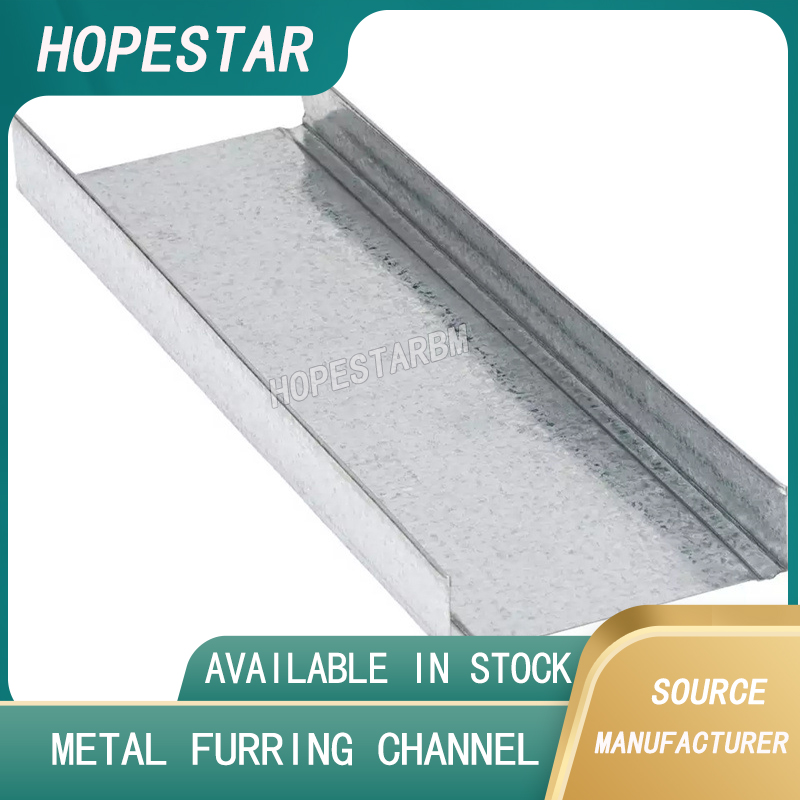
Furring Channel: The Essential Component for Modern Drywall and Ceiling Installations
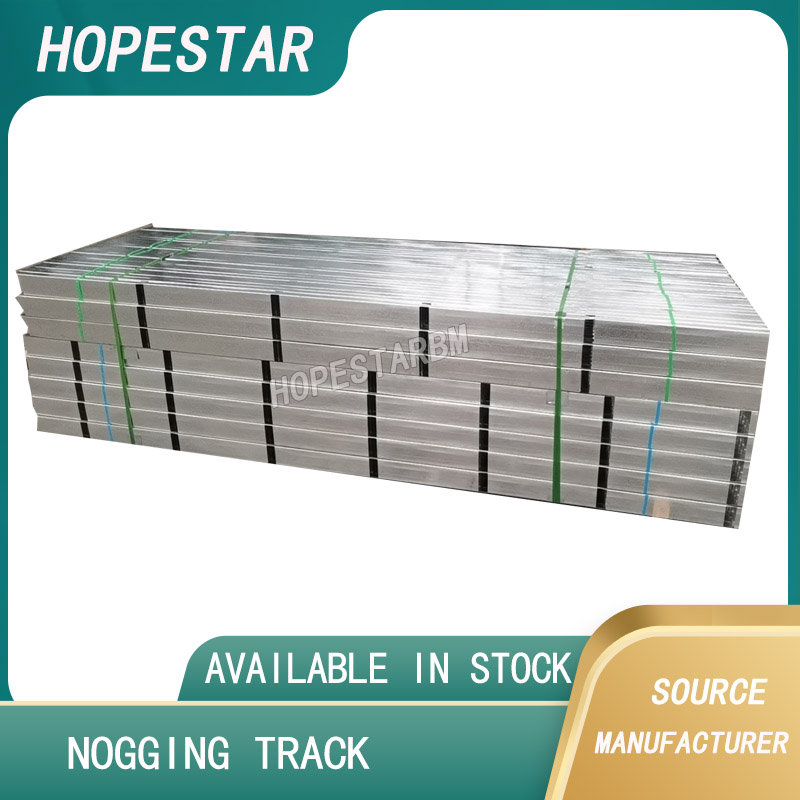
When it comes to constructing durable and precise drywall or ceiling systems, the furring channel plays a critical role. Also known as hat channels, furring channels are metal or wood strips used to level, support, and secure drywall, ceilings, and other finishing materials. Whether in residential, commercial, or industrial projects, choosing the right furring channel ensures long-term stability and a smooth finish.
What is a Furring Channel?
A furring channel is a thin metal or wood strip installed perpendicular to structural supports like studs, joists, or ceiling rafters. Its main purpose is to:
-
Provide a stable mounting surface for drywall or paneling
-
Level uneven walls or ceilings
-
Improve soundproofing and insulation efficiency
-
Create a cavity for electrical wiring, plumbing, or HVAC systems
Metal furring channels are commonly made from galvanized steel, providing corrosion resistance, high strength, and lightweight construction. Wood furring channels, although less common in modern projects, are still used in certain restoration or low-cost applications.
Common Sizes and Specifications
Furring channels come in a variety of sizes and thicknesses to accommodate different construction needs:
-
Width: Typically 7/8 inch to 1 1/2 inch
-
Depth: Usually 3/4 inch to 1 inch
-
Length: Standard lengths range from 8 ft to 12 ft
-
Gauge: Metal furring channels are usually 25–20 gauge, with thicker gauges used for heavier panels
Choosing the correct furring channel size depends on the project type, the weight of the drywall or ceiling materials, and the spacing of the supporting studs or joists.
Advantages of Using Furring Channels
-
Enhanced Structural Stability
Furring channels add rigidity to drywall and ceiling installations. They prevent sagging, bowing, or uneven surfaces over time. -
Improved Soundproofing and Insulation
By creating a small cavity between the structural frame and the wall or ceiling, furring channels help accommodate soundproofing materials or insulation, significantly reducing noise transmission. -
Moisture and Corrosion Resistance
Galvanized steel furring channels are highly resistant to moisture and corrosion, making them ideal for bathrooms, kitchens, or areas with fluctuating humidity. -
Easy Installation and Customization
Furring channels are lightweight and can be cut to length easily. They can also be used with a variety of fastening systems, including screws, clips, or brackets, allowing for flexible installation in different construction scenarios.
Applications of Furring Channels
Furring channels are widely used across multiple construction projects:
-
Residential Construction: Perfect for leveling walls or ceilings and providing a clean, finished surface for drywall installation.
-
Commercial Buildings: Used in offices, retail spaces, and hotels to support suspended ceilings and integrated HVAC, electrical, or lighting systems.
-
Industrial Projects: Suitable for warehouses or factories where durable, long-lasting wall and ceiling support is required.
-
Acoustic Applications: When paired with soundproofing panels, furring channels enhance noise reduction in theaters, studios, or conference rooms.
Installation Tips for Optimal Performance
-
Spacing: Typically, furring channels are installed every 16–24 inches, depending on panel size and weight.
-
Alignment: Ensure channels are level and properly aligned to prevent uneven drywall surfaces.
-
Fastening: Use appropriate screws or clips to secure channels to the structural frame. Avoid over-tightening, which can warp the channel.
-
Moisture Protection: In high-humidity areas, consider additional corrosion-resistant coatings or stainless steel channels.
Choosing the Right Furring Channel
Selecting the proper furring channel depends on several factors:
-
Material: Galvanized steel for durability, wood for budget-conscious or historic restoration projects
-
Gauge/Thickness: Heavier panels require thicker metal channels
-
Project Type: Walls, ceilings, or acoustic applications may have different load and spacing requirements
-
Environment: Consider moisture, temperature, and corrosion risks
Conclusion
The furring channel is an indispensable element in modern drywall and ceiling construction. Its ability to provide stability, accommodate insulation, and create a level surface makes it a preferred choice for contractors and builders worldwide. By selecting the right size, material, and installation method, furring channels can significantly enhance the durability, functionality, and appearance of walls and ceilings in any residential, commercial, or industrial project.
Metal Corner Bead: The Key to Perfect Wall Corners
HOPESTAR will participate in an exhibition in Peru from October 9th to 12th
Related Article