What Is a Metal Furring Channel Ceiling?
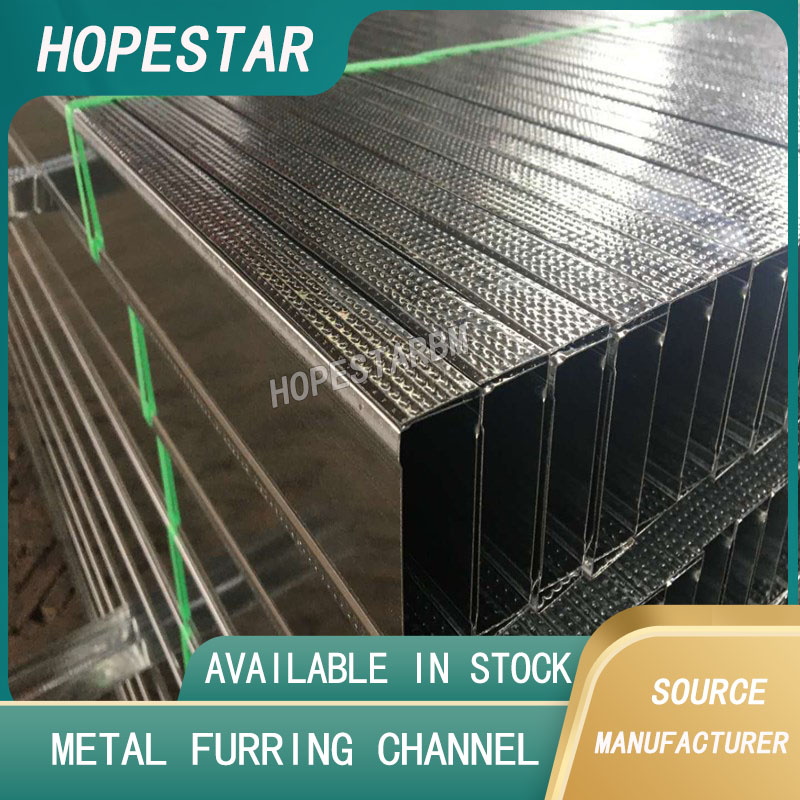
In today’s construction industry, the metal furring channel ceiling system has become one of the most reliable and efficient methods for creating durable, level, and visually appealing ceilings. Whether in residential, commercial, or industrial projects, contractors increasingly choose metal furring channels because of their strength, flexibility, and long-term benefits. This article will explore what a metal furring channel ceiling is, its advantages, installation methods, and why it is a preferred choice for builders and homeowners.
What Is a Metal Furring Channel Ceiling?
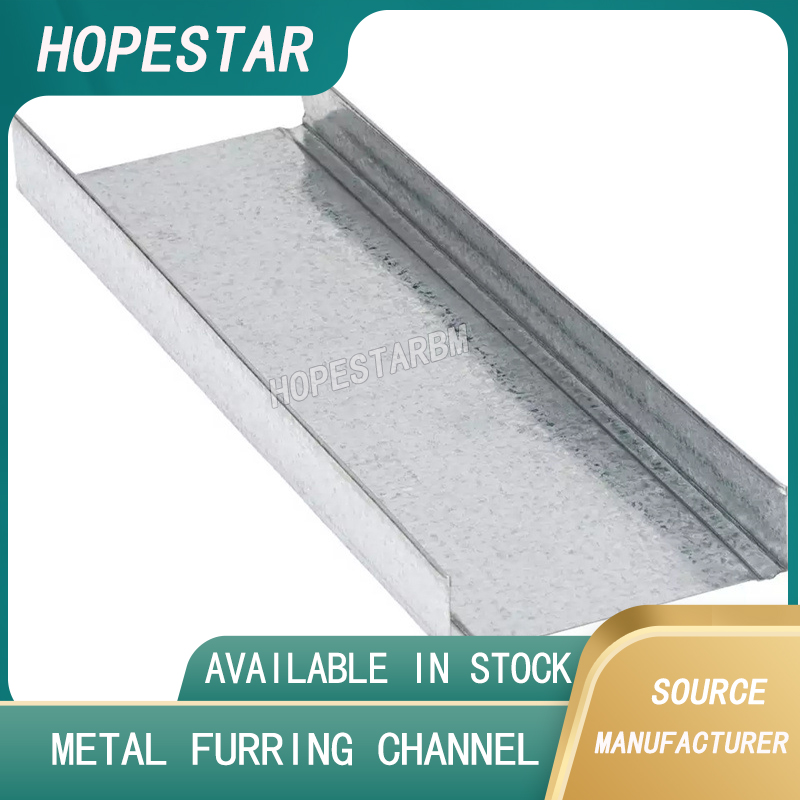
A metal furring channel ceiling is a suspended ceiling system that uses lightweight galvanized steel channels to provide a stable framework for attaching ceiling boards, panels, or plaster. The furring channels are usually shaped like a “C” or a hat profile, designed to create spacing between the structural ceiling and the finished ceiling surface. This system ensures that ceilings remain level, straight, and resistant to sagging over time.
Advantages of Metal Furring Channel Ceiling
-
Strength and Durability
Galvanized steel used in furring channels provides superior resistance to rust, moisture, and fire. Unlike wooden battens, metal channels do not warp, crack, or decay, making them ideal for long-lasting ceiling structures. -
Lightweight but Strong
Although metal furring channels are lightweight, they provide excellent support for plasterboard, acoustic panels, or gypsum boards, ensuring a smooth ceiling finish. -
Versatility
A metal furring channel ceiling can be installed in a wide variety of buildings, from homes and offices to hospitals, hotels, and shopping centers. They are suitable for both flat and curved ceiling designs. -
Improved Insulation and Acoustics
The spacing created by furring channels allows for the placement of insulation materials. This improves thermal efficiency and soundproofing, making rooms more comfortable and energy efficient. -
Fire Resistance
Steel channels enhance the fire rating of ceilings, providing an extra layer of safety in modern buildings.
Common Sizes of Metal Furring Channel Ceiling Systems
Metal furring channels typically come in a range of sizes to suit different projects. Standard dimensions include:
-
Width: 16 mm, 20 mm, 25 mm, 28 mm, and 30 mm
-
Length: 2.4 m, 2.7 m, 3 m, and 4 m
-
Thickness: 0.3 mm to 0.8 mm
The size chosen depends on the ceiling height, load requirements, and type of finish material being installed.
Installation Process of Metal Furring Channel Ceiling
Installing a metal furring channel ceiling involves several steps:
-
Preparation
-
Measure the ceiling height and mark levels on the walls.
-
Ensure that the surface is ready and free from major defects.
-
-
Installing Perimeter Channel
-
Fix perimeter tracks or wall angles around the room at the desired ceiling height.
-
These provide support for the furring channels.
-
-
Fixing Main Channels
-
Attach main channels (usually C-sections) suspended from the ceiling using hangers or wire rods.
-
These channels provide the backbone of the system.
-
-
Attaching Furring Channels
-
Secure furring channels perpendicular to the main channels at regular spacing, usually 400 mm or 600 mm apart.
-
Ensure they are aligned and level.
-
-
Installing Ceiling Boards
-
Screw plasterboard, gypsum board, or acoustic panels directly onto the furring channels.
-
Stagger joints and finish with joint tape and compound for a seamless look.
-
What Is a Metal Accessory?
Standard Metal Corner Bead Sizes
Related Article