What are Steel Studs Used For?
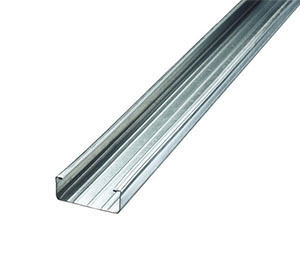
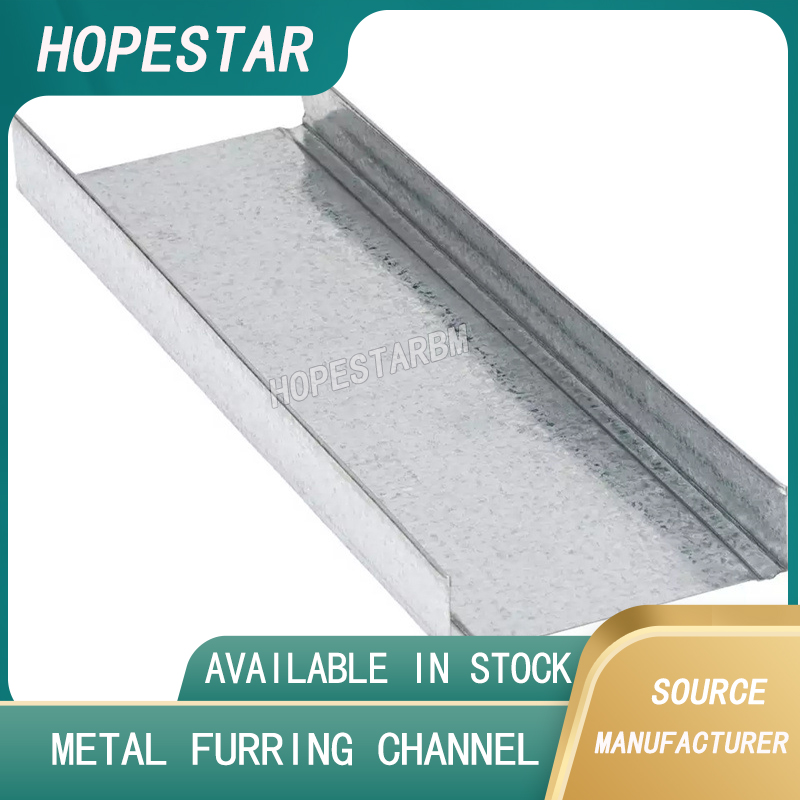
In modern construction, steel studs have become one of the most reliable and versatile framing options. They are widely used in residential, commercial, and industrial projects, replacing traditional wood framing in many applications. Steel studs are manufactured from galvanized steel, which makes them resistant to rot, fire, insects, and warping. Their unique properties make them suitable for a wide variety of building needs. This article explores what steel studs are used for, their benefits, and why they are considered a cost-effective choice in today’s construction industry.
Interior Wall Framing
One of the most common uses of steel studs is interior wall framing. Contractors prefer steel studs for non-load-bearing walls in offices, apartments, schools, and hospitals. Unlike wood, steel does not shrink, split, or twist over time, which helps maintain perfectly straight walls. This advantage is especially valuable in large commercial buildings where consistency and durability are critical. Steel studs also allow for easy installation of electrical wiring and plumbing, since pre-punched holes are often included in the studs for quick routing.
Exterior Wall Systems
Steel studs are also used in exterior wall systems, often as part of curtain wall assemblies. They provide a strong skeleton that can support exterior cladding such as brick, stone, stucco, or siding. When paired with proper insulation and moisture barriers, steel stud walls offer excellent energy efficiency and weather resistance. This makes them a popular option in high-rise buildings, shopping centers, and warehouses where durability against harsh weather conditions is required.
Ceilings and Partitions
Another area where steel studs are frequently used is ceilings and partitions. Light-gauge steel framing provides an efficient way to build suspended ceilings, room dividers, and partition walls. They can be cut to different lengths, making them adaptable for custom designs. Partitions framed with steel studs are commonly seen in office renovations where flexible layouts are needed. This system allows property owners to reconfigure interior spaces quickly without structural complications.
Fire-Resistant Construction
Steel studs are non-combustible, which makes them an essential material for fire-resistant construction. Building codes in many regions require the use of non-combustible framing in certain structures such as schools, hospitals, and government buildings. Since steel does not burn, it helps contain the spread of fire and enhances building safety. This advantage also reduces insurance costs for commercial property owners.
Moisture-Prone Environments
Steel studs are widely used in environments where moisture is a concern, such as bathrooms, basements, and kitchens. Wood framing is vulnerable to mold and rot when exposed to water, while galvanized steel remains unaffected. For this reason, contractors prefer steel studs for projects where long-term resistance to humidity is necessary. This makes them ideal for coastal regions and areas with high rainfall.
Supporting Heavy Loads
In addition to light framing, structural steel studs are available for load-bearing walls. These heavy-duty studs can support floors, roofs, and other structural components in low-rise buildings. Structural steel studs are commonly used in commercial complexes, hotels, and mid-rise residential buildings. They offer the strength of traditional steel beams but with the flexibility and ease of installation associated with stud framing.
Green Building and Sustainability
Steel studs are also a sustainable building material. They are typically manufactured from recycled steel and can be fully recycled again at the end of a building’s life cycle. Unlike wood, which requires cutting down trees, steel is a renewable resource that can be reused without losing its properties. This makes steel studs a preferred choice in green building projects where sustainability is a top priority.
Advantages Over Wood Studs
When comparing steel studs to wood, several advantages stand out. Steel studs are lighter, making them easier to transport and handle on job sites. They maintain their shape over time and are not affected by termites or other pests. Additionally, steel studs allow for greater precision in construction, reducing the chances of crooked walls or uneven finishes. While the initial cost of steel studs can be slightly higher than wood, the long-term benefits in durability, maintenance, and energy efficiency often outweigh the difference.
Conclusion
Steel studs are used in a wide range of applications, from interior walls and partitions to exterior framing and structural support. Their durability, fire resistance, moisture protection, and sustainability make them an increasingly popular choice for contractors and builders around the world. Whether for commercial projects or residential construction, steel studs provide a modern, efficient, and reliable framing solution. As the demand for strong and sustainable building materials grows, steel studs will continue to play a major role in shaping the future of construction.
What are the Standard Sizes of Steel Studs?
Metal Corner Bead A Complete Guide for Construction Professionals
Related Article