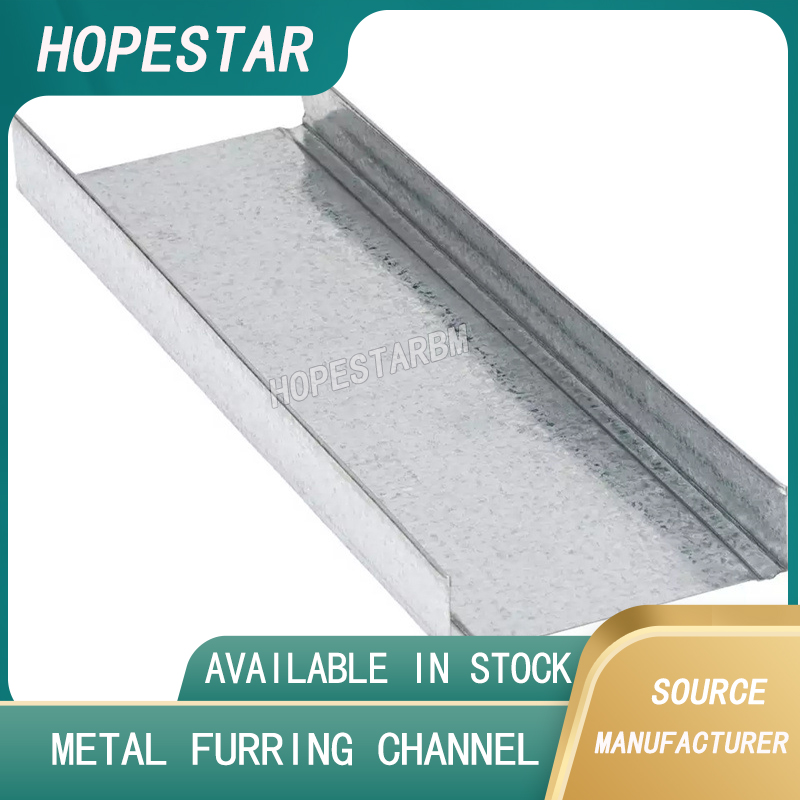
Steel Stud: Complete Guide to Benefits, Applications, and Installation in Modern Construction
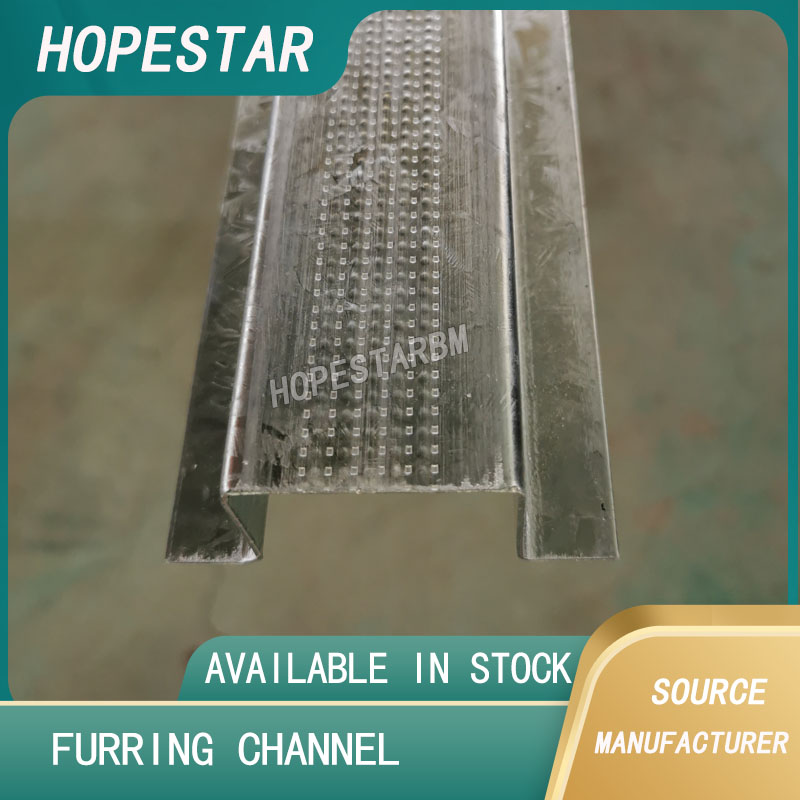
Steel studs have become an essential component in modern construction, offering a durable, versatile, and cost-effective alternative to traditional wood framing. Whether used in residential, commercial, or industrial projects, steel studs provide a reliable framework for walls, partitions, and ceilings. This article explores the benefits, applications, and installation methods of steel studs, helping builders, contractors, and DIY enthusiasts understand why they are widely preferred in today’s construction industry.
What Is a Steel Stud?
A steel stud is a vertical framing member made from light-gauge cold-formed steel, designed to replace traditional wooden studs in walls and partitions. Typically, steel studs are manufactured in standard widths of 1-5/8 inch, 2-1/2 inch, 3-5/8 inch, 4 inch, or 6 inch, and come in various gauges ranging from 18 to 25. Their hollow design allows for easy routing of electrical wires and plumbing, and their corrosion-resistant steel coating ensures durability over time.
Benefits of Steel Studs
-
Durability and Strength
Steel studs are strong and resistant to warping, splitting, or cracking, unlike wood. This ensures that walls remain straight and structurally sound for decades, even under extreme environmental conditions. -
Fire Resistance
Steel is non-combustible, providing enhanced fire safety for buildings. In fire-prone areas, steel studs reduce fire risk compared to wooden framing. -
Pest Resistance
Unlike wood, steel is not susceptible to termite or insect damage, eliminating the need for chemical treatments and reducing long-term maintenance costs. -
Consistency and Precision
Steel studs are manufactured to strict tolerances, ensuring uniform dimensions. This precision simplifies installation and creates perfectly straight walls, improving the quality of finishes like drywall. -
Sustainability
Most steel studs are made from recycled steel, and they are fully recyclable at the end of their life cycle. Choosing steel studs contributes to eco-friendly building practices.
Applications of Steel Studs
-
Interior Partitions: Steel studs are widely used to construct non-load-bearing walls in offices, commercial buildings, and residential spaces.
-
Ceiling Frameworks: Steel studs provide a stable structure for suspended ceilings.
-
Exterior Walls: In combination with insulation and sheathing, steel studs can be used for exterior walls in both commercial and residential construction.
-
Fire-Rated Walls: Steel studs, combined with fire-rated drywall, are commonly used to create fire-resistant partitions.
Installation Guidelines
-
Layout and Marking
Begin by marking the wall line on the floor and ceiling. Place tracks along these lines to create the base and top guides. -
Cutting and Fitting
Cut steel studs to the required height using metal snips or a saw with a metal blade. Insert the studs vertically into the track, spacing them 16 or 24 inches apart, depending on building codes. -
Fastening
Secure studs to the track using self-tapping screws. Ensure studs are plumb and aligned correctly before attaching drywall. -
Electrical and Plumbing Considerations
Steel studs have pre-punched holes for running electrical wiring and plumbing pipes. Always follow safety codes when threading wires or pipes. -
Finishing
After installing drywall or other finishing materials, finish joints and corners with tape, joint compound, and sanding for a smooth surface ready for painting or wall covering.
Conclusion
Steel studs are a modern solution for building reliable, safe, and durable walls and partitions. Their strength, fire resistance, precision, and sustainability make them a superior choice over traditional wood framing in many applications. Proper installation ensures long-lasting performance, and their versatility makes them suitable for residential, commercial, and industrial projects alike. For contractors and builders seeking efficiency and quality, steel studs are an indispensable component of contemporary construction.
Understanding the Advantages and Applications of Steel Studs
Metal Furring Channel: Essential Guide to Installation, Benefits, and Applications
Related Article