Metal Furring Channel: Essential Guide to Installation, Benefits, and Applications
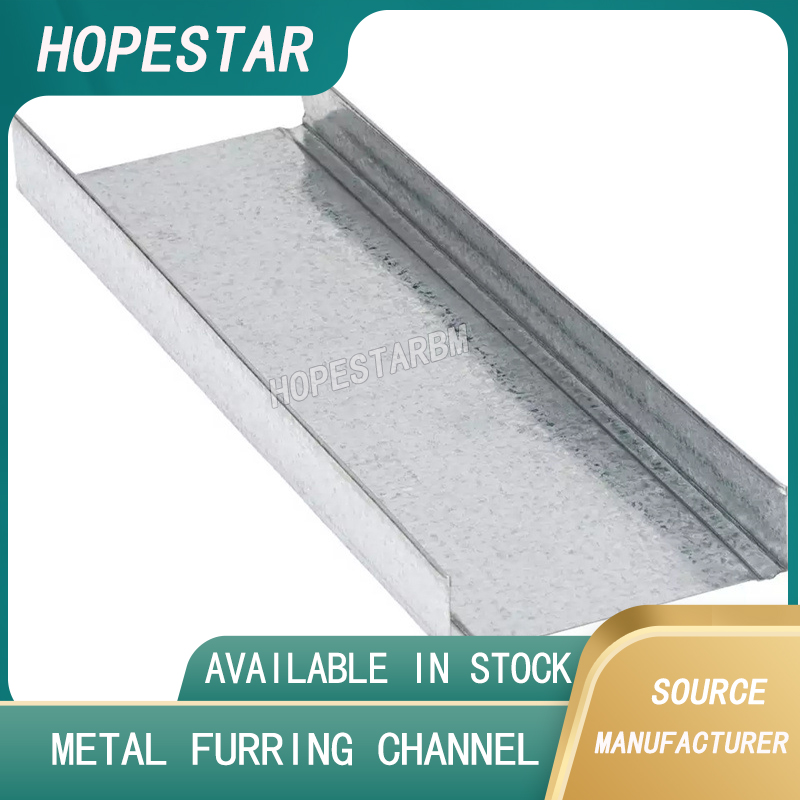
Metal furring channels, also known as hat channels, are integral components in modern construction, particularly in drywall and ceiling systems. These channels provide a stable framework for attaching gypsum panels, enhancing structural integrity, and offering benefits like improved soundproofing and moisture resistance. This article delves into the key aspects of metal furring channels, including their types, installation methods, and applications.
What Is a Metal Furring Channel?
A metal furring channel is a light-gauge steel component shaped like a hat, designed to create a gap between the wall or ceiling substrate and the finishing material, such as drywall. This gap allows for better ventilation, reduces moisture buildup, and provides space for insulation. The channels are typically made from galvanized steel to resist corrosion and are available in various gauges and sizes to suit different construction needs.
Types of Metal Furring Channels
-
Standard Furring Channels: These are used for general framing applications, providing a base for attaching drywall or other finishing materials.
-
Resilient Furring Channels: Designed to improve sound isolation, these channels decouple the drywall from the framing, reducing sound transmission between rooms. pdf.lowes.com
-
High-Hat Furring Channels: Featuring a deeper profile, these channels are used for heavier applications and can span longer distances without sagging.
Benefits of Using Metal Furring Channels
-
Enhanced Soundproofing: Resilient channels effectively reduce noise transmission between rooms, making them ideal for residential and commercial spaces. pdf.lowes.com
-
Moisture Resistance: Galvanized steel channels resist rust and corrosion, making them suitable for areas with high humidity.
-
Structural Stability: By providing a solid framework, metal furring channels ensure that drywall and other materials are securely attached, enhancing the overall stability of the structure.
-
Fire Resistance: Metal channels are non-combustible, contributing to the fire safety of the building.
Installation Guidelines
Proper installation of metal furring channels is crucial for achieving optimal performance. Here are some general guidelines:
-
Spacing: Install channels perpendicular to the framing members, with spacing typically between 16 to 24 inches apart, depending on the application. pdf.lowes.com
-
Attachment: Use appropriate fasteners to secure the channels to the framing members. For resilient channels, ensure that the mounting flange is positioned correctly to maximize sound isolation. pdf.lowes.com
-
Alignment: Ensure that the channels are level and aligned to prevent uneven surfaces in the finished ceiling or wall.
-
Overlap: When splicing channels, overlap them by at least 6 inches and secure with sheet metal screws. images.thdstatic.com
Applications of Metal Furring Channels
-
Drywall Systems: Provide a framework for attaching gypsum panels in both walls and ceilings.
-
Suspended Ceilings: Used to create a grid system for hanging ceiling tiles or panels.
-
Acoustic Treatments: In resilient configurations, they are employed to reduce sound transmission in multi-family dwellings, offices, and recording studios.
-
Exterior Cladding: Serve as a base for attaching siding or other cladding materials, allowing for ventilation and moisture control.
Conclusion
Metal furring channels play a vital role in modern construction by providing structural support, enhancing soundproofing, and offering moisture resistance. Understanding their types, benefits, and proper installation techniques ensures that they perform effectively in various applications. Whether you're working on a residential renovation or a commercial build, incorporating metal furring channels can contribute to the longevity and performance of your project.
Steel Stud: Complete Guide to Benefits, Applications, and Installation in Modern Construction
What Are Steel Studs Used For?
Related Article