
What Are Steel Studs Used For?
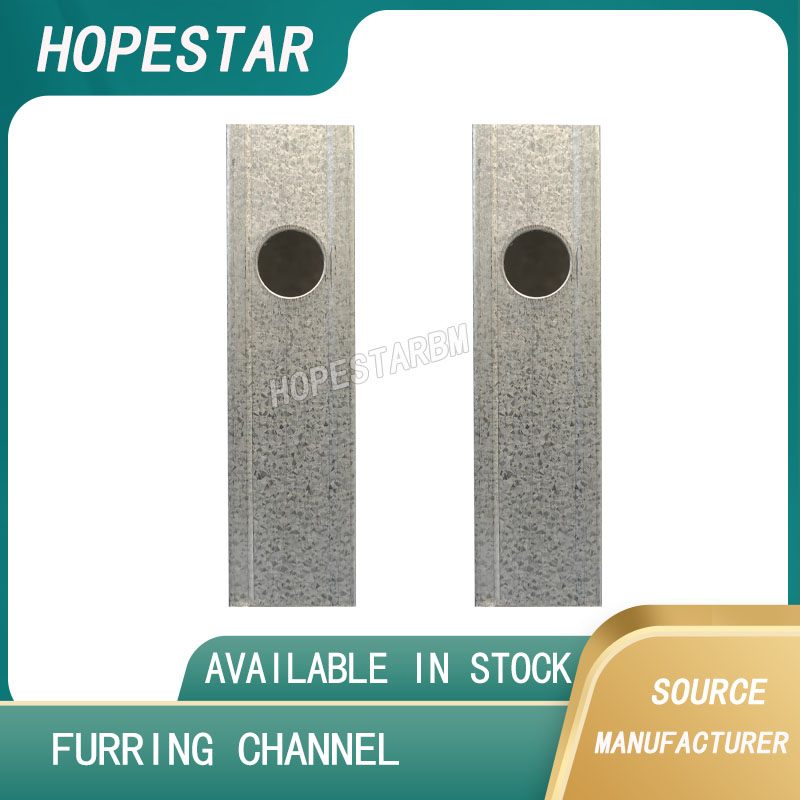
Steel studs have become one of the most widely used framing materials in both commercial and residential construction. As builders and homeowners look for stronger, more sustainable, and cost-effective alternatives to traditional wood framing, steel studs have quickly gained popularity. But what are steel studs used for, and why are they such an important component in modern building projects?
Understanding Steel Studs
Steel studs are cold-formed steel components, typically shaped like a “C” or “U,” made from galvanized steel to resist corrosion and rust. They serve as the structural framework for walls, ceilings, and partitions. Available in different sizes and gauges, steel studs can be adapted for various construction needs, from lightweight interior walls to heavy-duty load-bearing systems.
Primary Uses of Steel Studs
Steel studs are versatile and can be used in multiple applications across the construction industry.
-
Framing Interior Walls
-
Steel studs are commonly used to build non-load-bearing partition walls in offices, schools, and residential properties. They provide straight and consistent framing that ensures smooth drywall installation.
-
-
Exterior Wall Systems
-
Heavier gauge steel studs are used in exterior wall assemblies where strength and durability are critical. Combined with insulation and sheathing, they create energy-efficient and weather-resistant structures.
-
-
Ceiling and Roof Framing
-
In commercial buildings, steel studs are often used in suspended ceilings and roof truss systems because of their lightweight yet strong properties.
-
-
Fire-Resistant Construction
-
Steel studs are non-combustible, making them ideal for fire-rated walls and structures that require higher safety standards.
-
-
Moisture-Resistant Environments
-
Bathrooms, kitchens, and basements often use steel studs because they are resistant to mold, rot, and warping, unlike traditional wood studs.
-
-
Industrial and Commercial Buildings
-
From warehouses to shopping centers, steel studs provide reliable support for large-scale projects where structural integrity is essential.
-
Benefits of Using Steel Studs
Apart from their versatility, steel studs bring several advantages:
-
Durability: Unlike wood, steel will not twist, warp, or shrink over time.
-
Pest Resistance: Termites and other insects cannot damage steel framing.
-
Sustainability: Steel studs are recyclable, making them an environmentally friendly choice.
-
Consistency: Manufactured to exact standards, steel studs ensure uniform dimensions for precise construction.
-
Safety: Their non-combustible nature enhances fire safety in buildings.
Residential vs. Commercial Applications
While steel studs are often associated with commercial construction, their use in residential projects is increasing. Homeowners are choosing steel studs for basements, remodels, and even full-frame houses due to their strength and resistance to environmental damage. In commercial projects, steel studs are standard for interior partitions, curtain walls, and complex designs that require precision and longevity.
Why Builders Choose Steel Studs
Contractors prefer steel studs not just for strength but also for long-term cost savings. Although the upfront cost of steel studs may be slightly higher than wood, they require less maintenance and reduce the risk of future repairs caused by warping, pests, or moisture damage.
Conclusion
So, what are steel studs used for? They are essential framing materials applied in interior and exterior walls, ceilings, roofing systems, and fire-resistant structures. Their durability, safety, and sustainability make them a preferred choice for both residential and commercial construction.
Metal Furring Channel: Essential Guide to Installation, Benefits, and Applications
Are Steel Studs Cheaper Than Wood?
Related Article



