
Are Steel Studs Cheaper Than Wood?
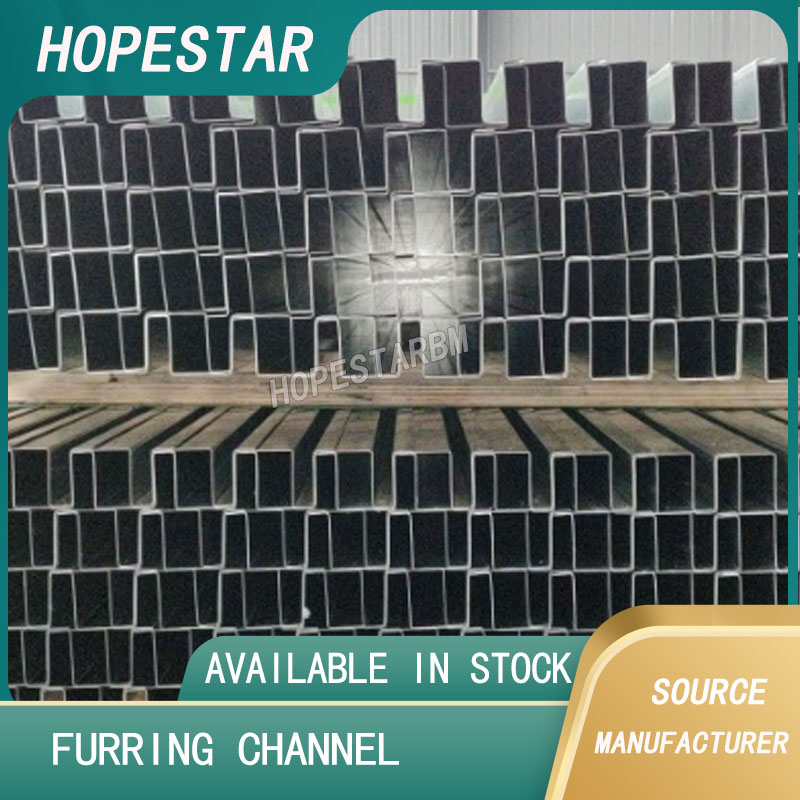
When it comes to framing materials in modern construction, builders and homeowners often face the question: are steel studs cheaper than wood? The answer depends on several factors such as location, availability, project type, and long-term performance expectations. Both materials have their advantages and disadvantages, but making the right choice can impact not only the budget but also the durability and sustainability of a project.
Understanding Steel Studs
Steel studs are manufactured from galvanized steel sheets that are cold-formed into different shapes, typically “C” and “U” channels. They are lightweight, dimensionally stable, and resistant to moisture, fire, and insects. Steel studs are widely used in commercial construction, but in recent years, their popularity has grown in residential projects as well.
Understanding Wood Studs
Wood studs, traditionally made from softwoods like pine or spruce, have been the primary framing material for decades. They are easy to cut, assemble, and are generally preferred in residential buildings due to familiarity, availability, and lower upfront costs.
Cost Comparison Between Steel and Wood Studs
So, are steel studs cheaper than wood? The answer is not always straightforward.
-
Material Cost
-
Wood studs are often less expensive at the point of purchase, especially in regions where lumber is abundant.
-
Steel studs, while more consistent in pricing, can sometimes cost more per linear foot. However, prices for wood fluctuate heavily depending on supply and demand, while steel prices remain relatively stable.
-
-
Installation Costs
-
Wood studs are easier to cut and fasten with standard tools, making labor cheaper.
-
Steel studs may require specialized screws, snips, or power tools, which can increase installation costs slightly.
-
-
Long-Term Costs
-
Steel studs do not warp, shrink, or rot, reducing the likelihood of costly repairs.
-
Wood studs are vulnerable to termites, mold, and moisture damage, which can lead to higher long-term expenses.
-
Other Factors to Consider Beyond Cost
While upfront cost is an important factor, contractors and property owners should also consider the following:
-
Durability: Steel studs are stronger and will not bend or twist over time, ensuring a straighter wall finish.
-
Fire Resistance: Steel is non-combustible, adding an extra layer of safety to a building.
-
Sustainability: Steel studs are recyclable, making them an environmentally friendly choice.
-
Thermal Conductivity: Steel can transfer heat and cold more easily than wood, requiring additional insulation in some climates.
-
Acoustic Performance: Steel studs can provide improved soundproofing in certain wall assemblies.
When Steel Studs Can Be Cheaper
Although steel studs may appear more expensive at first glance, they can be cheaper in certain scenarios:
-
Commercial Construction: Large-scale projects benefit from steel’s consistency and reduced waste.
-
High-Humidity Environments: In basements, kitchens, or bathrooms, steel eliminates the risk of mold or rot, saving money on maintenance.
-
Long-Term Investment: For property owners planning to hold onto a building for decades, steel’s resistance to damage often makes it more cost-effective.
When Wood Studs Are the Cheaper Option
Wood studs are typically the most affordable choice for:
-
Small Residential Projects: For quick renovations or short-term structures, wood is usually less expensive.
-
DIY Construction: Wood is easier to handle without special tools, reducing labor costs.
-
Regions with Abundant Lumber Supply: In areas where wood is plentiful, its price advantage can be significant.
Conclusion
So, are steel studs cheaper than wood? In the short term, wood studs are often the cheaper option, especially in residential settings where ease of use and availability drive costs down. However, steel studs may prove more cost-effective over time thanks to their durability, resistance to pests, and low maintenance requirements.
What Are Steel Studs Used For?
Metal Corner Bead Benefits for Strong and Durable Wall Finishes
Related Article



