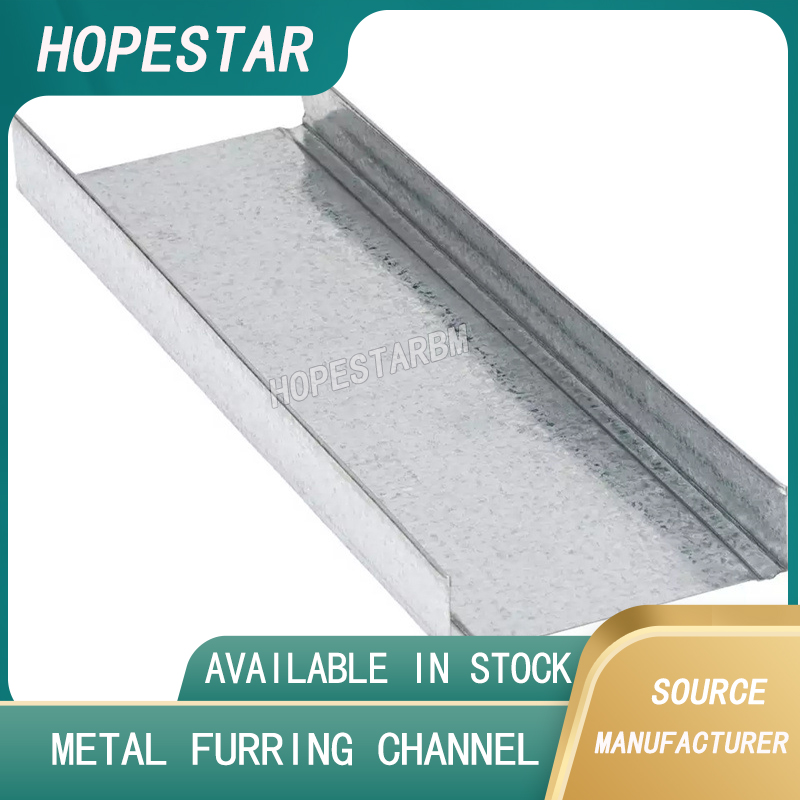
What is a Steel Stud?
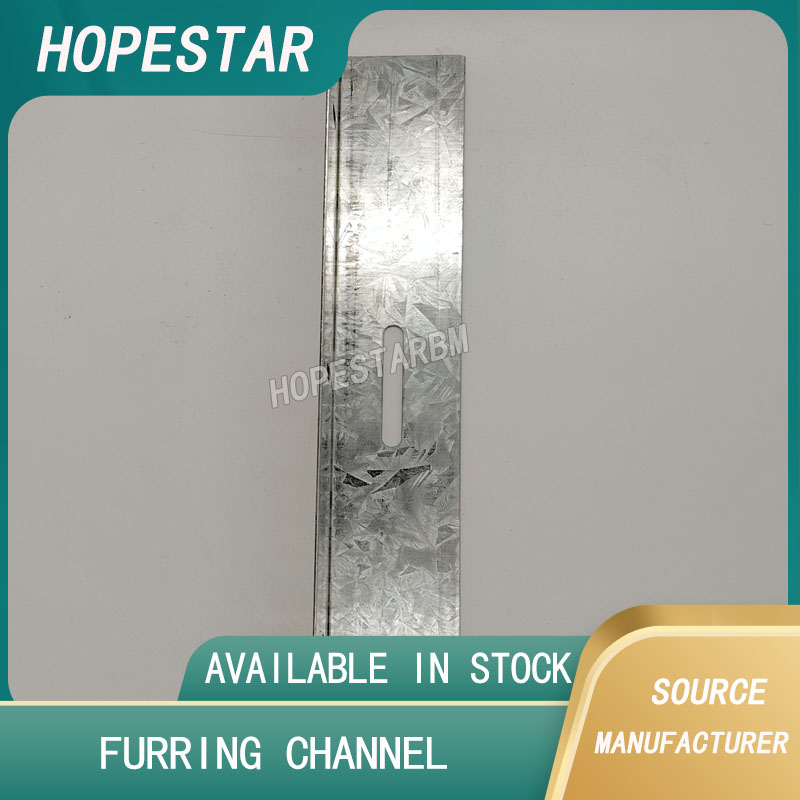
When it comes to framing systems in today’s construction projects, the steel stud has become a leading choice for both residential and commercial applications. Builders, architects, and homeowners are turning to steel framing not only for its strength but also for its long-term benefits. Understanding what a steel stud is, why it matters, and how it is used can help you make informed decisions for your next building project.
What is a Steel Stud?
A steel stud is a lightweight, cold-formed section of galvanized steel used to create framing for interior and exterior walls. Unlike traditional wood studs, steel studs are manufactured with precision, ensuring uniform dimensions and consistent quality. They come in various thicknesses, gauges, and profiles, allowing flexibility in design and application.
Steel studs are resistant to warping, shrinking, or splitting, making them an ideal alternative to wood. With increasing demand for durability and sustainability in the construction industry, the steel stud has proven to be a reliable solution.
Advantages of Using Steel Studs
There are many reasons why builders prefer a steel stud over wood.
-
Strength and Durability
Steel studs do not rot, warp, or attract termites. Their ability to withstand harsh environments makes them suitable for projects where longevity is critical. -
Fire Resistance
Steel is non-combustible, providing an added layer of safety in case of fire. Using steel stud framing reduces the risk of structural damage caused by flames. -
Sustainability
Most steel studs are made from recycled steel, and they are also recyclable at the end of their life cycle. Choosing a steel stud system supports eco-friendly building practices. -
Consistency and Accuracy
Manufactured with precision, steel studs offer uniformity that wood cannot match. This ensures straight walls, easier installation of drywall, and reduced finishing costs. -
Lightweight and Easy to Handle
Despite their strength, steel studs are relatively lightweight, making transportation and installation more efficient.
Common Applications of Steel Studs
The versatility of a steel stud makes it a go-to option for multiple building projects.
-
Interior Walls: Steel studs are commonly used for framing partition walls in offices, schools, hospitals, and homes.
-
Exterior Walls: With proper insulation and sheathing, steel stud framing provides strong and weather-resistant exterior walls.
-
Ceilings and Soffits: They can be applied in ceiling systems to create smooth surfaces and modern designs.
-
Load-Bearing Structures: Heavier-gauge steel studs are used in structural applications to support roofs and multiple floors.
Steel Stud vs. Wood Stud
One of the most frequent comparisons in construction is between a steel stud and a wood stud. Wood has long been the traditional choice, but it comes with drawbacks such as susceptibility to pests, moisture damage, and dimensional changes. Steel studs, on the other hand, offer a stable and long-lasting framing solution.
While wood may be cheaper initially, the long-term benefits of a steel stud—including lower maintenance costs and increased durability—often outweigh the price difference.
Installation Process of Steel Studs
Installing a steel stud system requires some specialized tools and knowledge, but the process is straightforward once mastered.
-
Measuring and Layout: Just like with wood framing, accurate measurements are essential.
-
Track Installation: Steel tracks are secured to the floor and ceiling to hold the studs.
-
Stud Placement: Steel studs are inserted into the tracks and fastened with screws.
-
Wiring and Plumbing: Pre-punched holes in steel studs make it easy to run utilities.
-
Drywall Attachment: Drywall sheets are screwed directly onto the steel stud frame.
Cost Considerations
The cost of using a steel stud depends on factors like gauge, size, and project scale. While initial material costs may be higher compared to wood, labor efficiency and reduced maintenance can balance out the investment. Additionally, the durability of steel ensures that the structure remains intact for decades.
Future of Steel Studs in Construction
As construction trends shift toward sustainability and durability, the steel stud is expected to play an even greater role. From high-rise buildings to energy-efficient homes, steel framing provides a dependable solution that aligns with modern building codes and environmental goals.
Conclusion
The steel stud has revolutionized the way walls and framing systems are built. Offering strength, precision, fire resistance, and sustainability, it stands as a superior alternative to wood in many applications. Whether you are working on a small home renovation or a large commercial project, incorporating steel studs ensures long-term value and performance.
What is a Metal Corner Bead?Benefits of Using Metal Corner Beads
What is a Drywall Metal Stud?Advantages of Using Drywall Metal Studs
Related Article