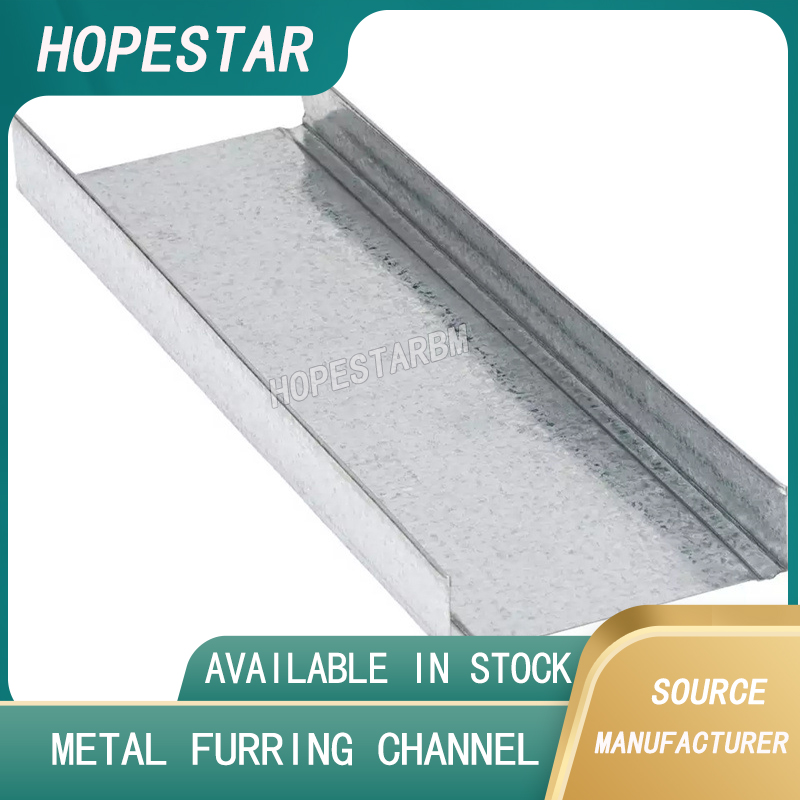
Furring Channel: The Key Component for Modern Wall and Ceiling Construction
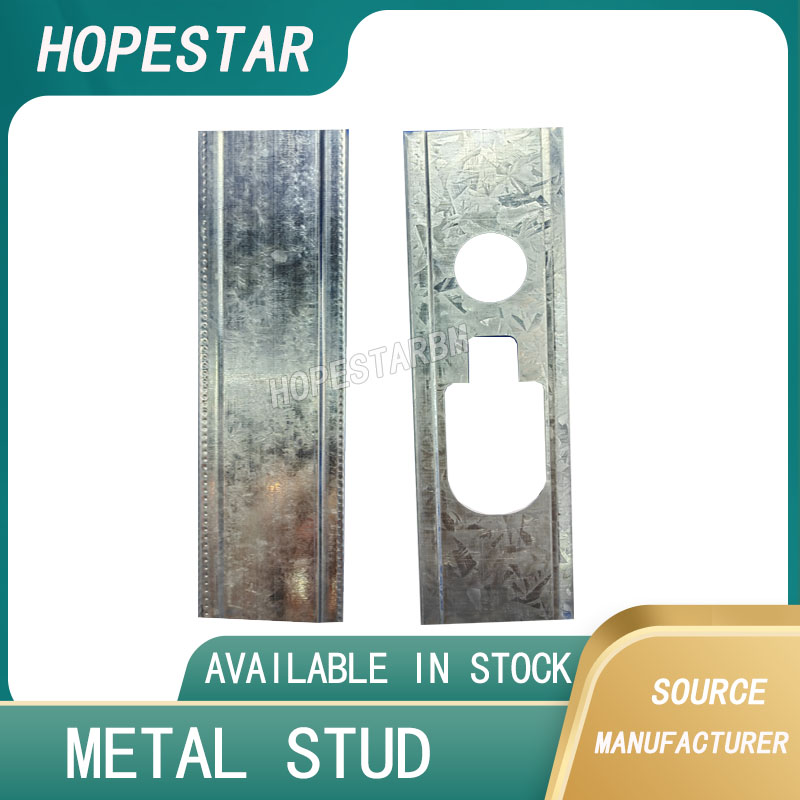
In the construction industry, achieving strong, durable, and aesthetically pleasing structures requires the right choice of building materials. Among these, the Furring Channel has become one of the most widely used metal framing profiles for walls and ceilings. Known for its versatility and structural reliability, it is a standard solution in both residential and commercial projects.
What is a Furring Channel?
A Furring Channel is a lightweight metal profile, typically made of galvanized steel, designed to provide support for wall cladding, drywall, or ceiling systems. It is also called a hat channel due to its shape. Furring channels create a stable framework that not only enhances the strength of walls and ceilings but also provides a smooth and even surface for finishing materials.
Applications of Furring Channel
-
Drywall Systems – Commonly used to support gypsum boards in wall and ceiling installations.
-
Suspended Ceilings – Provides the framework for false ceilings in commercial and residential interiors.
-
Wall Cladding – Used behind panels to create a flat, uniform surface for decorative finishes.
-
Soundproofing and Insulation – Creates a gap that can be filled with insulation materials, improving thermal and acoustic performance.
-
Exterior Walls – Ideal for rainscreen systems, where channels help ventilate and protect the wall structure.
Advantages of Using Furring Channel
-
Durability: Manufactured from galvanized steel, it resists corrosion and ensures long-lasting performance.
-
Lightweight and Strong: Provides excellent structural strength without adding unnecessary weight.
-
Easy Installation: Can be fixed to concrete, masonry, or timber with screws, anchors, or fasteners.
-
Versatility: Suitable for both interior and exterior applications.
-
Cost-Effective: Reduces maintenance costs while offering superior wall and ceiling support.
Types of Furring Channels
-
C-Shaped Furring Channel – The most common type, widely used for drywall framing.
-
Hat Furring Channel – Named for its “hat-like” profile, providing extra stability for ceilings and walls.
-
Z-Furring Channel – Designed for insulation applications, allowing rigid panels to fit securely.
-
Custom Sizes – Available depending on project requirements.
How to Install Furring Channel
-
Measure and Mark – Determine the spacing based on wall or ceiling design.
-
Fix the Channels – Secure furring channels to the substrate using anchors or screws.
-
Add Insulation (Optional) – Insert insulation between channels for improved thermal and sound performance.
-
Attach Drywall or Panels – Fix finishing boards to the furring channels to create a smooth surface.
-
Final Finish – Apply paint, plaster, or decorative cladding for a polished look.
Why Choose Furring Channel?
Compared with traditional wooden battens, Furring Channels offer superior durability, fire resistance, and stability. They are less prone to warping, shrinking, or insect damage, making them the preferred choice for contractors and architects. In modern construction, where speed, precision, and long-term performance are critical, furring channels provide the perfect balance of functionality and cost-effectiveness.
Furring Channel: Essential Guide for Modern Construction
Galvanized Metal Corner Bead: The Perfect Solution for Strong and Lasting Wall Corners
Related Article