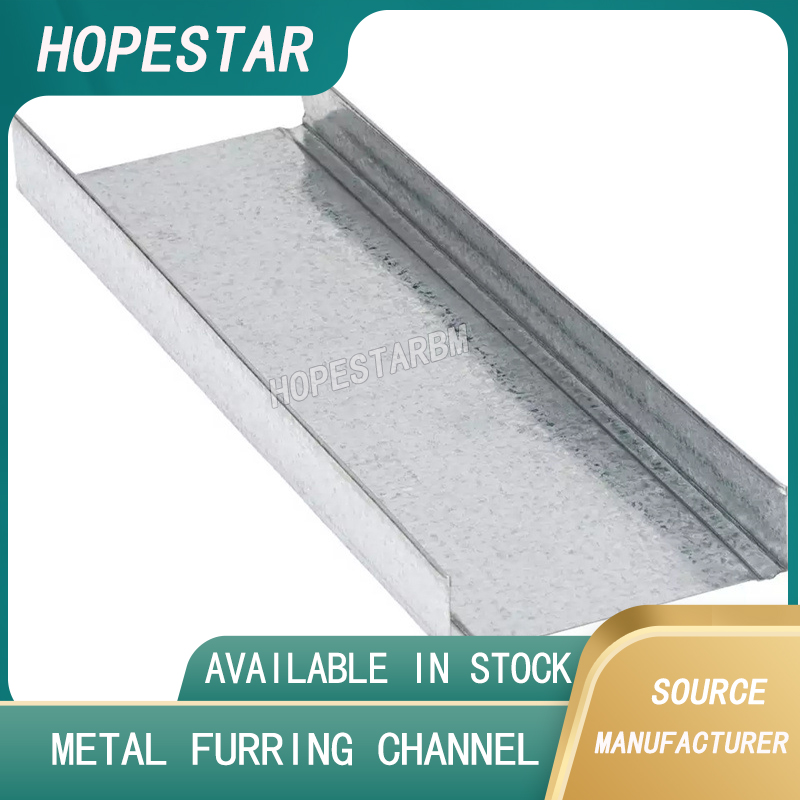
Metal Furring Channel: A Complete Guide for Construction and Interior Projects
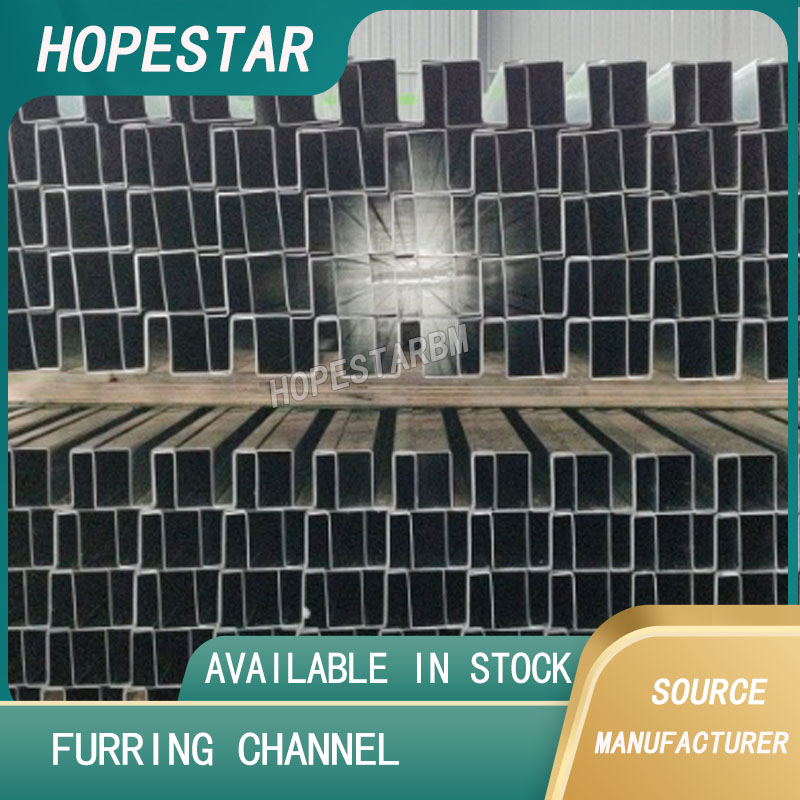
When it comes to modern construction and interior design, Metal Furring Channel has become a crucial component. It offers strength, flexibility, and cost-effectiveness for a wide range of building applications. Whether you are a contractor, architect, or homeowner planning a renovation, understanding the role of Metal Furring Channel can help you make better decisions about your project.
What Is a Metal Furring Channel?
A Metal Furring Channel is a lightweight steel framing system used to provide support and alignment for wall, ceiling, or partition systems. Typically made from galvanized steel, it serves as a stable base for attaching gypsum boards, wall panels, or ceiling materials. Unlike traditional wood furring, the metal version offers greater durability, resistance to moisture, and long-term stability.
Key Benefits of Using Metal Furring Channel
-
Durability and Strength
Galvanized steel construction makes Metal Furring Channel highly resistant to corrosion, bending, and warping. This ensures that the structure remains reliable even in high-humidity environments such as basements or bathrooms. -
Versatility in Application
Metal Furring Channel is used in walls, ceilings, and even exterior facades. It can support plasterboard, acoustic panels, or decorative finishes. Its adaptability makes it a preferred choice for both commercial and residential projects. -
Fire Resistance
Unlike wood, Metal Furring Channel does not burn, which contributes to enhanced fire safety in buildings. When combined with fire-rated gypsum boards, it helps meet safety standards. -
Cost-Effective Solution
Installation is straightforward, labor costs are reduced, and long-term maintenance is minimal. This makes it a cost-efficient choice compared to traditional framing methods. -
Smooth and Level Surface
One of the main purposes of using Metal Furring Channel is to create a smooth surface for finishing materials. It helps align uneven walls or ceilings, ensuring a professional finish.
Common Applications of Metal Furring Channel
-
Ceiling Systems: Provides a framework to suspend gypsum boards or acoustic panels, creating an even and stable ceiling surface.
-
Wall Partitioning: Acts as a support system for lightweight partitions, making space division easier in offices and homes.
-
Cladding Support: Used behind exterior or interior cladding to maintain alignment and enhance insulation.
-
Soundproofing Systems: Often combined with insulation materials to reduce noise transmission in theaters, studios, or apartments.
Types of Metal Furring Channels
-
Hat-Shaped Furring Channel
Shaped like a hat, this type is commonly used in ceiling framing and provides excellent support for drywall installation. -
U-Shaped Furring Channel
Primarily used for wall furring, it helps align wall surfaces and provides strong backing for finishing materials. -
Custom Sizes
Manufacturers often produce Metal Furring Channels in different sizes and thicknesses to meet specific project requirements.
Installation Overview
Installing a Metal Furring Channel system is relatively simple, but precision is important:
-
Preparation: Measure the area and mark alignment lines.
-
Attachment: Fix the furring channels to the base structure (wall or ceiling) using screws, anchors, or clips.
-
Spacing: Maintain consistent spacing (commonly 16 or 24 inches apart) to ensure strength and stability.
-
Board Fixing: Attach gypsum boards, panels, or cladding securely to the channels.
Why Choose Metal Furring Channel Over Wood?
While wood furring was once the standard, Metal Furring Channel has largely replaced it due to its superior properties. It is:
-
Resistant to termites, mold, and moisture damage.
-
More dimensionally stable, avoiding issues of shrinkage or warping.
-
Compatible with modern lightweight building materials.
Metal Accessory and Steel Accessory: Essential Components for Modern Construction and Industry
Australia 275g Top Hat: The Reliable Steel Profile for Modern Construction
Related Article