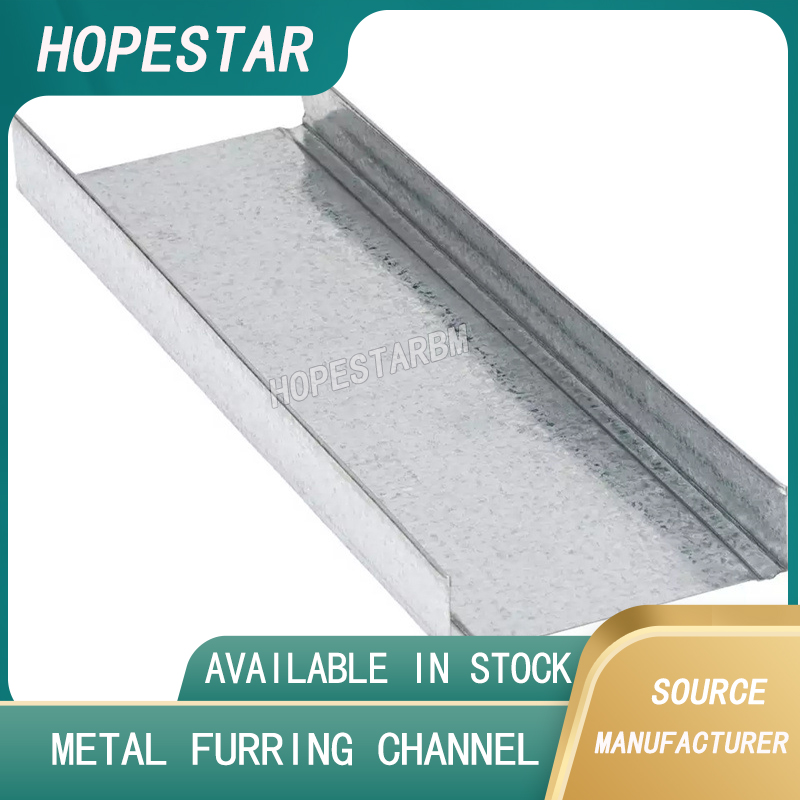
Furring Channel: Essential Support for Walls and Ceilings
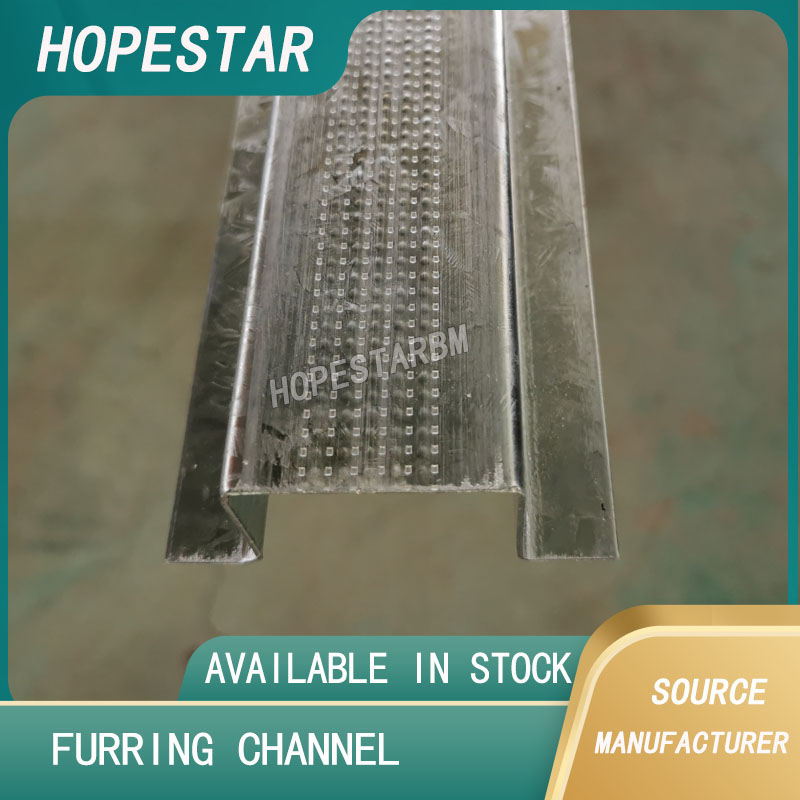
The Furring Channel is a critical component in modern construction, widely used in drywall framing, ceiling suspension systems, and wall leveling. Its simple yet efficient design provides structural support while allowing for smooth, even surfaces in both residential and commercial projects. Whether you are renovating an old space or constructing a new building, furring channels offer durability, versatility, and easy installation.
What Is a Furring Channel?
A furring channel, sometimes called a drywall furring channel or metal furring strip, is a thin, cold-rolled steel profile used to level surfaces, create gaps for insulation, and provide a secure base for attaching finishing materials like drywall or paneling. It is typically C-shaped or hat-shaped, depending on the application.
Key Benefits of Furring Channel
-
Versatility – Ideal for both walls and ceilings, suitable for interior and exterior applications.
-
Durability – Made from galvanized steel, furring channels resist rust and corrosion for long-term performance.
-
Sound Insulation – Creates a gap that improves acoustic control, often used in soundproof wall systems.
-
Lightweight – Easy to handle and transport, reducing labor costs.
-
Improved Surface Finish – Ensures flat and stable surfaces for drywall installation.
Common Applications
-
Wall Leveling – Corrects uneven walls before finishing.
-
Ceiling Suspension – Provides a stable grid for attaching ceiling panels or drywall.
-
Insulation Support – Creates a cavity for thermal or acoustic insulation.
-
Moisture Control – Used in basements and bathrooms to prevent direct contact between drywall and masonry walls.
-
Exterior Cladding Support – Serves as a substructure for siding or cladding.
Installation Tips
-
Measure Accurately – Mark and cut channels to the correct size before installation.
-
Proper Fasteners – Use self-drilling screws for steel frames and masonry anchors for concrete or brick walls.
-
Spacing Guidelines – Follow local building codes for proper spacing to ensure structural integrity.
-
Check for Level – Use a spirit level during installation to avoid uneven surfaces.
-
Protect Cut Edges – Apply a rust-resistant coating to exposed steel after cutting.
Choosing the Right Furring Channel
When selecting a furring channel, consider:
-
Profile Type – C-channel for general framing, hat-channel for increased rigidity.
-
Gauge Thickness – Thicker gauges for heavy-duty applications.
-
Coating – Galvanized steel is best for moisture resistance.
-
Dimensions – Choose depth and width based on insulation thickness and design needs.
Conclusion
The Furring Channel is a simple yet indispensable construction element that improves wall and ceiling quality, provides structural support, and enhances insulation performance. Whether for soundproofing, leveling, or moisture control, a high-quality galvanized furring channel ensures a durable and professional finish for any project.
Omega Channel: A Versatile Solution for Modern Construction and Interior Systems
Metal Hat Channel: A Versatile Solution for Modern Construction
Related Article