Hat Channel: The Essential Guide for Modern Construction
In the world of construction and building renovation, the hat channel has become a go-to solution for both professionals and DIY enthusiasts. Known for its distinctive shape and versatile applications, the hat channel is used in a wide range of wall, ceiling, and exterior projects. Whether you are installing drywall, adding insulation, or creating a soundproof room, understanding what a hat channel is and how it works can make your project smoother and more efficient.
What Is a Hat Channel?
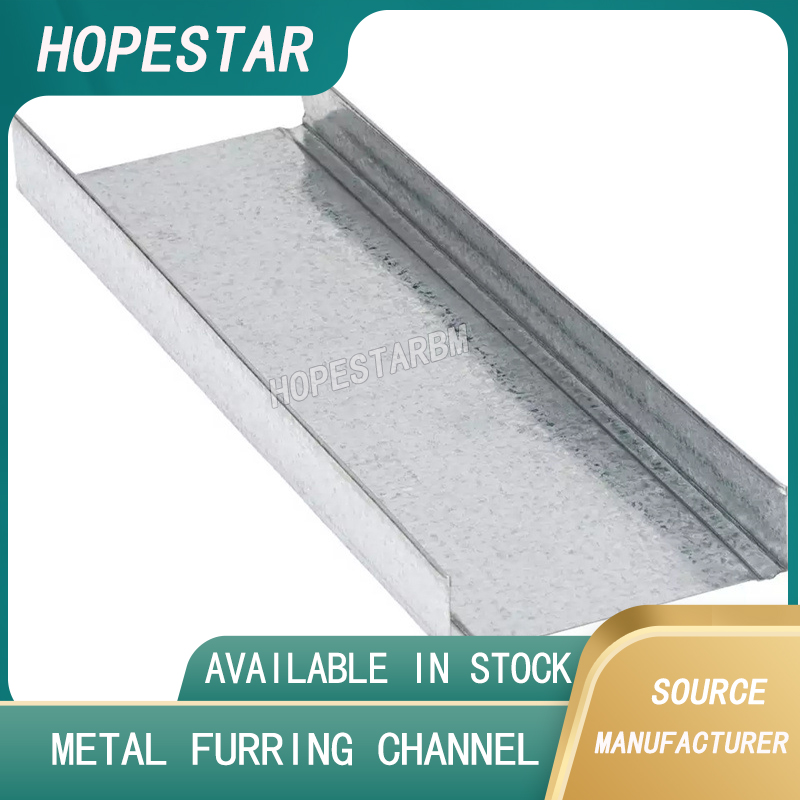
A hat channel is a cold-rolled metal profile, usually made from galvanized steel or aluminum, that gets its name from its cross-sectional shape — resembling a hat. It has a flat top and two flanges that extend outward, making it ideal for attaching to framing surfaces. This design provides stability, load distribution, and corrosion resistance, ensuring long-lasting performance.
Hat channels are available in various sizes and gauges to suit different applications, from lightweight residential framing to heavy-duty commercial projects.
Key Benefits of Hat Channels
-
Corrosion Resistance
Most hat channels are galvanized, meaning they are coated with zinc to prevent rust. This makes them suitable for both indoor and outdoor use. -
Strength and Durability
The hat shape offers excellent structural strength while keeping the profile lightweight and easy to handle. -
Versatility
Hat channels can be installed on ceilings, walls, and even exterior facades. They are also compatible with various finishing materials. -
Improved Surface Leveling
They are perfect for leveling uneven walls or ceilings before applying drywall or other surface finishes. -
Soundproofing and Moisture Resistance
When combined with insulation or resilient mounting systems, hat channels help reduce sound transmission and resist moisture damage.
Common Applications of Hat Channels
1. Drywall Installation
Hat channels are often used to create a flat and stable surface for attaching drywall sheets. This is especially useful in basements, garages, or old buildings where walls are not perfectly level.
2. Ceiling Framing
In suspended ceiling systems, hat channels act as a horizontal support to hold ceiling panels in place.
3. Exterior Siding Support
For metal or vinyl siding installations, hat channels create a secure framework that improves ventilation and prevents water penetration.
4. Soundproof Rooms
When paired with resilient clips and insulation, hat channels help reduce noise transfer between rooms, making them popular in studios, apartments, and offices.
5. Insulation Support
They can hold insulation in place while providing an air gap that improves thermal performance.
Hat Channel Sizes and Specifications
Hat channels come in different depths, widths, and gauges. Common sizes include:
-
Depth: 7/8 inch, 1-1/2 inch, and 2 inches.
-
Width: 1-1/4 inch to 3 inches.
-
Material thickness: 25 gauge to 20 gauge (0.5 mm to 1 mm).
Choosing the right size depends on the load requirements, wall or ceiling type, and finishing material. For heavy-duty projects, thicker gauge channels are recommended.
Hat Channel vs. Furring Channel
While the terms “hat channel” and “furring channel” are sometimes used interchangeably, there are slight differences:
-
Hat Channel: Always has a raised center and flared edges, shaped like a hat.
-
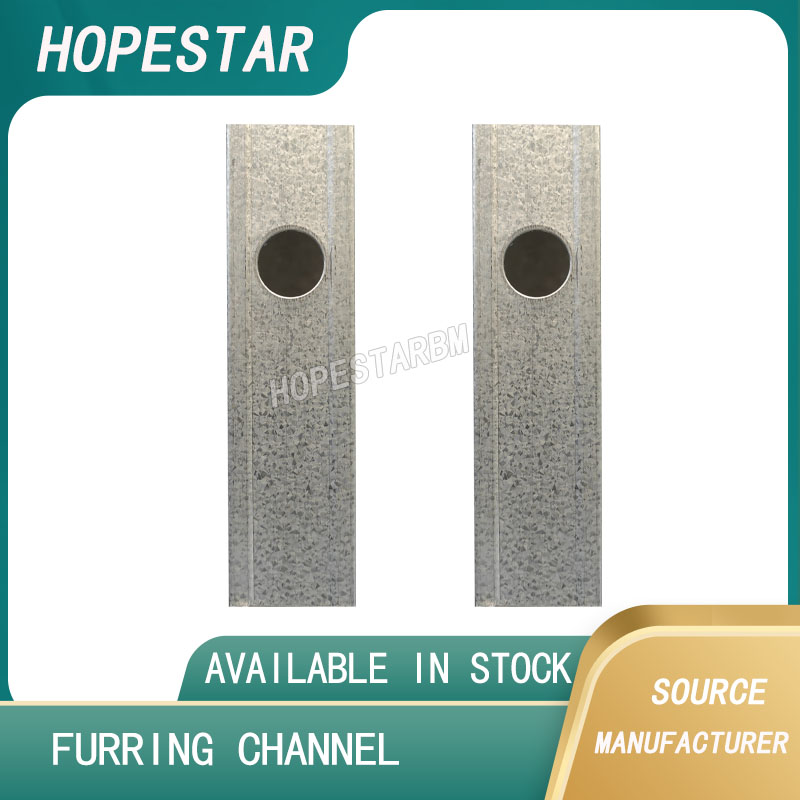
Furring Channel: May have a C-shape or similar profile, used for the same purposes but with slight variations in design.
In practice, many builders refer to both profiles as furring channels, especially in drywall applications.
Installation Tips for Hat Channels
-
Measure and Mark
Accurately mark the spacing according to your design — usually 16” or 24” apart for drywall and ceiling installations. -
Use Proper Fasteners
Select screws or nails compatible with both the hat channel material and the surface you are attaching to. -
Check for Level
Use a level tool to ensure the hat channel is perfectly aligned, especially for ceiling installations. -
Avoid Over-Tightening
Over-tightening screws can damage the channel or distort its shape, affecting the final finish. -
Consider Moisture Barriers
In damp environments, use vapor barriers along with galvanized or aluminum hat channels for added protection.
Metal Hat Channel for Ceiling: The Ultimate Guide for Builders and DIY Enthusiasts
What Is Another Name for a Furring Channel? A Complete Guide
Related Article