What Is Another Name for a Furring Channel? A Complete Guide
In the construction and interior finishing industry, the term furring channel is widely recognized. However, depending on the region, manufacturer, or specific application, you may encounter several other names for the same product. Knowing these alternative terms can help you communicate better with suppliers, understand technical drawings, and find the right products online. In this article, we will explain what a furring channel is, its common alternative names, and why it’s used in various building projects.
Understanding the Furring Channel
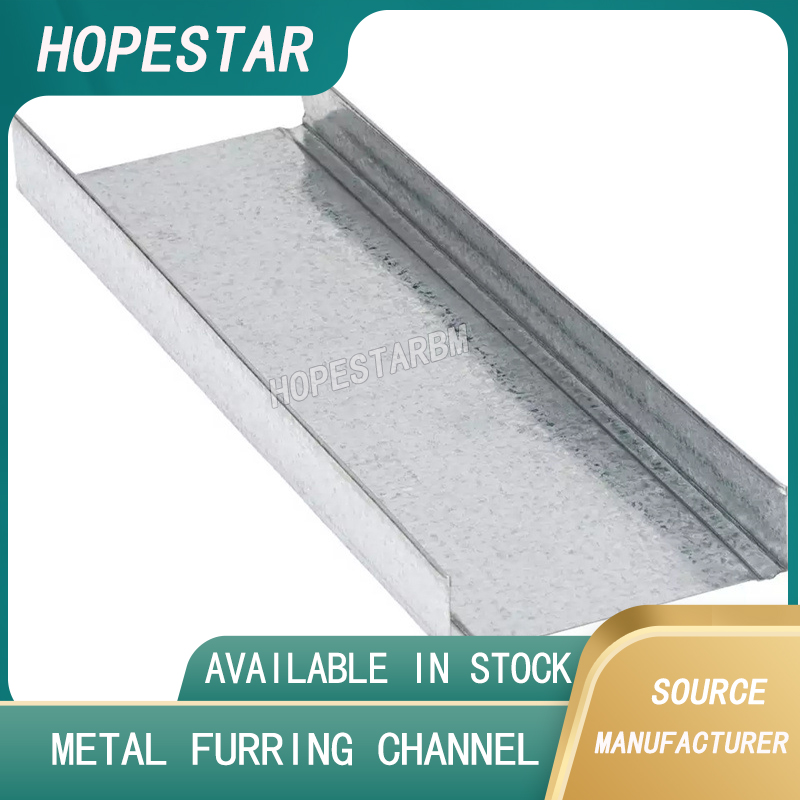
A furring channel is a cold-rolled steel profile used in wall and ceiling framing systems. It provides a secure surface for attaching plasterboard, drywall, or other finishing materials. Its unique hat-shaped or C-shaped cross-section makes it strong yet lightweight, which is why it’s preferred for creating level surfaces over uneven structures.
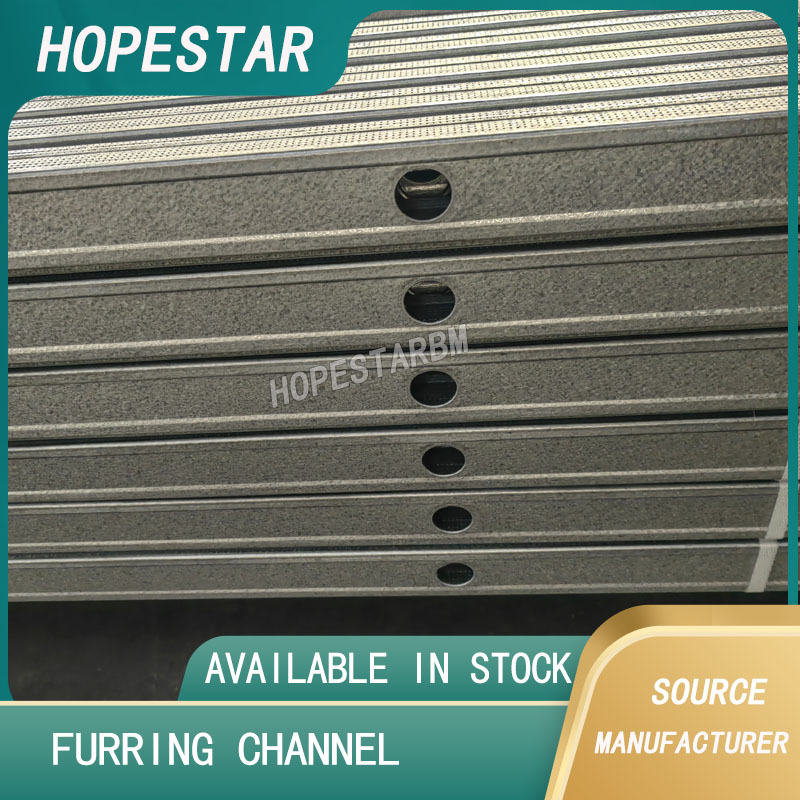
Furring channels are usually made from galvanized steel to resist corrosion and extend their service life. They are a core component in light gauge steel framing systems, especially in drywall partitions, suspended ceilings, and exterior cladding support.
Alternative Names for Furring Channel
When searching for furring channels, you might come across different names depending on the country, construction standard, or manufacturer’s branding. Some of the most common alternative names include:
-
Hat Channel
This is perhaps the most popular alternative name. The profile’s shape resembles a “hat” when viewed from the side, with a flat top and flared edges. Hat channels are often used in both wall furring and ceiling applications. -
Metal Furring
In some regions, contractors simply refer to them as “metal furring.” This term covers all metal profiles used to create a secondary framework for finishes, including furring channels. -
Z Channel or Z Furring
In exterior insulation and finish systems (EIFS) or cladding projects, a variation called the Z channel or Z furring is used. While not identical in profile to the standard furring channel, it serves a similar function. -
Gypframe Channel
Some brands, like Gyproc or British Gypsum, market their furring channels under proprietary names such as “Gypframe channels.” -
Ceiling Batten
In Australian and New Zealand building terms, a furring channel used in ceilings may be called a ceiling batten.
Why Knowing These Names Matters
If you work with international suppliers or read building specifications from different countries, you will notice that the same product can be described in different ways. Understanding these terms can:
-
Improve communication with contractors and suppliers.
-
Help you find the correct product faster during online searches.
-
Ensure compliance with building codes and project specifications.
-
Avoid mistakes when ordering materials.
For example, if you’re working on a ceiling installation in the U.S., you might order a “hat channel,” while in the U.K., the same item could be called a “Gypframe furring channel.”
Applications of Furring Channels (and Their Alternatives)
Regardless of the name used, furring channels have versatile applications, such as:
-
Drywall and Plasterboard Support – Creating a flat surface to attach boards over uneven walls.
-
Ceiling Framing – Providing a suspension grid for ceilings in commercial and residential spaces.
-
Soundproofing Systems – Acting as part of resilient channel systems to reduce sound transmission.
-
Cladding and Siding Support – Holding external panels in façade systems.
-
Moisture-Resistant Installations – Used with corrosion-resistant coatings in bathrooms, kitchens, and exterior applications.
Hat Channel: The Essential Guide for Modern Construction
Benefits of Using Furring Channels in Construction
Related Article