What is Light Gauge Steel Framing?

In the ever-evolving world of construction, builders and architects are increasingly turning to innovative materials that provide strength, sustainability, and speed. Among these, Light Gauge Steel Framing (LGSF) has emerged as a leading choice for modern residential, commercial, and industrial construction projects. Known for its lightweight yet strong characteristics, light gauge steel framing offers an ideal alternative to traditional wood or concrete systems.
What is Light Gauge Steel Framing?
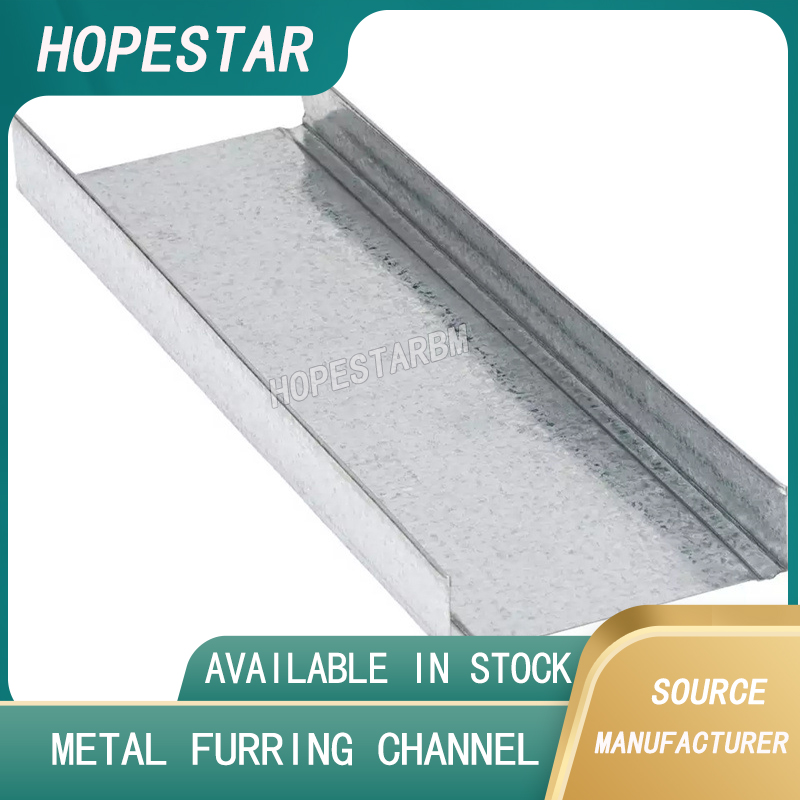
Light Gauge Steel Framing is a construction technique that uses thin sheets of cold-formed galvanized steel to build structural components such as wall studs, floor joists, trusses, and roof framing. The steel used in LGSF is typically 1 to 3 millimeters thick and formed into C-shaped or U-shaped profiles through a precise rolling process.
This type of framing is especially popular for interior and non-load-bearing walls in commercial buildings, but it has also gained popularity in load-bearing residential structures due to its durability and fire-resistant properties.
Key Advantages of Light Gauge Steel Framing
-
Lightweight but Strong
Despite being significantly lighter than traditional materials, light gauge steel provides high tensile strength. This allows for faster transportation, easier handling, and reduced structural loads without compromising on stability. -
Durability and Longevity
Steel is naturally resistant to rot, termites, mold, and warping. Unlike wood, it does not shrink or expand with changes in humidity, making it ideal for all types of climates. -
Fire Resistance
One of the most important advantages of LGSF is its non-combustible nature. In fire-rated assemblies, light gauge steel framing helps slow down the spread of flames and increases the safety of occupants. -
Speed of Construction
LGSF components are prefabricated and cut to exact specifications, which speeds up on-site installation. This reduces labor costs and project timelines, especially in large-scale developments. -
Design Flexibility
Light gauge steel can be molded into a variety of shapes and sizes, supporting creative architectural designs and long spans that are difficult to achieve with wood. -
Sustainability
Steel is 100% recyclable and generates less construction waste. Many manufacturers also use recycled steel in production, making LGSF a more eco-friendly option.
Applications of Light Gauge Steel Framing
-
Residential Housing: Used for single-family homes, townhouses, and multi-story apartments.
-
Commercial Buildings: Ideal for office spaces, retail centers, and hospitality structures.
-
Industrial Facilities: Applied in warehouses, workshops, and prefabricated modular buildings.
-
Educational and Medical Buildings: Chosen for its clean installation and long-lasting performance.
Components of an LGSF System
-
Studs and Tracks: The vertical (studs) and horizontal (tracks) members form the basic framework of walls.
-
Joists: Used to frame floors and ceilings.
-
Trusses: Prefabricated triangular structures used for roof framing.
-
Bracing and Connectors: Ensure stability and resistance against wind or seismic forces.
Installation Process
The LGSF system is typically assembled using screws and bolts, not nails. The pre-cut sections arrive on site labeled and ready for assembly. A basic outline of the installation process includes:
-
Setting the base tracks.
-
Erecting wall studs and securing them.
-
Adding joists and trusses.
-
Applying sheathing, insulation, and wall finishes.
Proper engineering and precise measurements are crucial to ensure the structural integrity and performance of the frame.
Why Choose Light Gauge Steel Framing?
Contractors, architects, and property developers choose Light Gauge Steel Framing for a wide range of reasons:
-
It meets stringent building codes for seismic and wind resistance.
-
It reduces material waste and minimizes the carbon footprint.
-
It performs exceptionally well in multi-unit developments.
-
It offers a competitive cost over the lifecycle of the building due to reduced maintenance and repairs.
In regions with frequent natural disasters, such as hurricanes or earthquakes, LGSF offers superior resilience compared to wood or masonry structures.
Conclusion
Light Gauge Steel Framing is revolutionizing the construction industry with its combination of strength, efficiency, and sustainability. Whether you're building a home, an office complex, or an industrial warehouse, LGSF provides a modern, code-compliant, and cost-effective solution. As more professionals seek faster and greener ways to build, the demand for light gauge steel framing continues to rise.
Choosing high-quality materials and experienced fabricators is key to maximizing the benefits of this innovative framing method. With proper design and installation, light gauge steel framing ensures a safe, durable, and future-ready structure for generations to come.
How to Install Metal Corner Beads Without Cracking Your Drywall
Fire Rated Furring Channel
Related Article