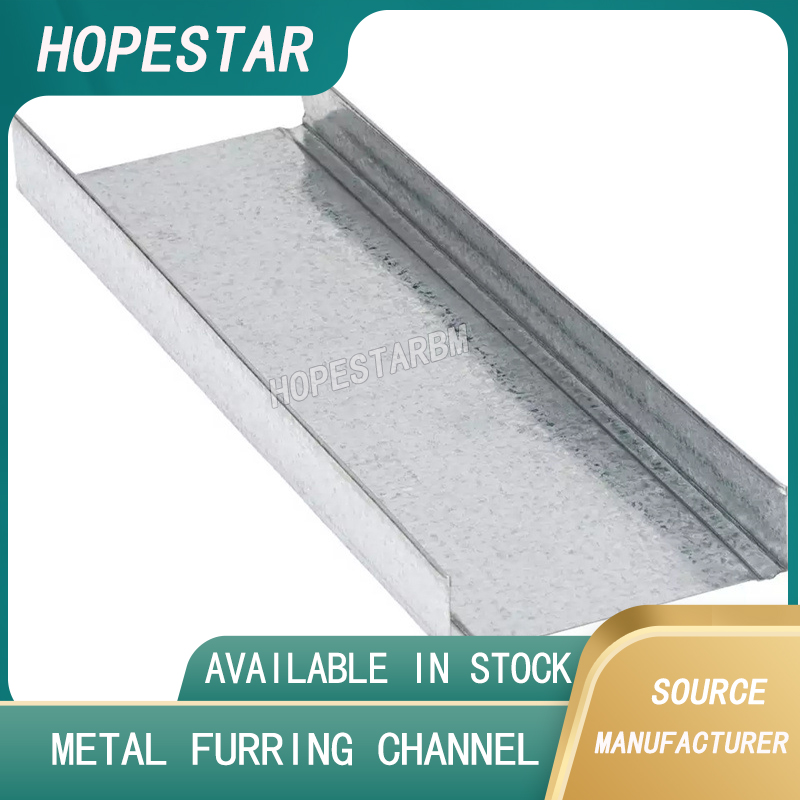
C Channels for Partition Walls: The Backbone of Non-Load Bearing Walls
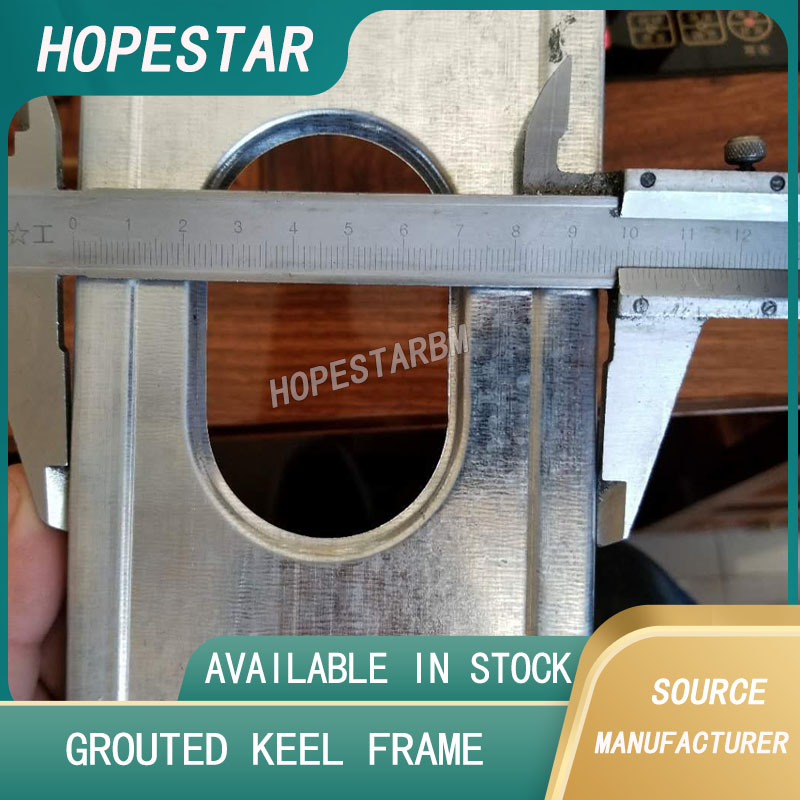
With the global drywall market projected to reach $75.3 billion by 2027 (Grand View Research), C-shaped metal framing channels have become indispensable in partition wall construction. This technical deep-dive explores why these unassuming components deliver unparalleled structural efficiency.
-
Material Science
-
Galvanization Types:
-
Hot-dip (G90 coating, 75μm thickness)
-
Electro-galvanized (Z275 coating)
-
-
Yield strength: 228MPa (33ksi) minimum per ASTM C645
-
-
Dimensional Standards
-
Common sizes:
-
0.55mm~1.2mm thickness
-
68mm/92mm web depth
-
-
Flange width: 32mm±0.5mm for screw retention
-
-
Performance Metrics
-
Fire rating: 1~4 hours (UL Design U419)
-
Sound transmission: STC 45~58 when paired with insulation
-
5 Cutting-Edge Applications
-
Hospital Partitions: Antimicrobial-coated channels (ISO 22196 compliant)
-
Data Center Walls: EMI-shielded variants (30dB attenuation)
-
Seismic Zones: Ductile steel channels per IBC 1613.1
-
Curved Walls: Notched web designs (5°~30° bending radius)
-
Smart Buildings: RFID-tagged channels for BIM integration
Installation Protocol
-
Pre-Installation Checklist
-
Laser alignment (±1mm over 3m length)
-
Anti-corrosion treatment for concrete contact areas
-
-
Cost Analysis
-
Material: $0.18~$0.42/LF (US wholesale)
-
Labor: 0.25 man-hours per linear meter
-
Pro Tip: Specify pre-punched channels (400mm/600mm spacing) to reduce drilling time by 40%.
Future Innovations
The emergence of self-monitoring channels (with embedded strain gauges) and carbon-negative galvanization processes are set to revolutionize the sector. Meanwhile, blockchain-tracked recycled content (85%+ post-industrial scrap) now meets LEED v4.1 MR credits.
What is an Omega Channel for Ceiling?
Suspended Ceiling Systems: The Hidden Framework of Modern Architecture
Related Article