
Ceiling System Metal Furring Channel: A Vital Element in Modern Construction
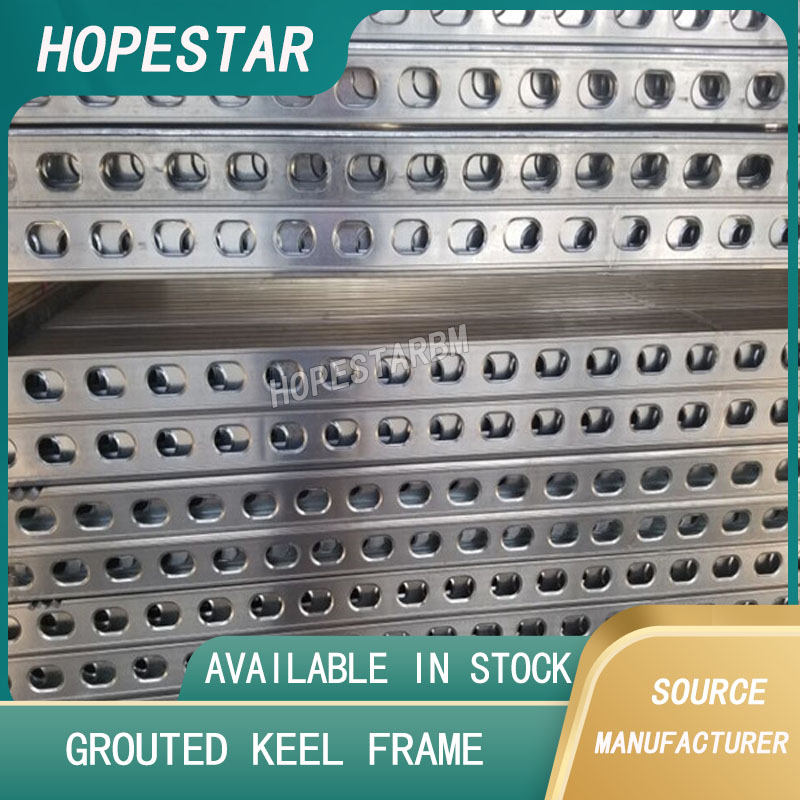
When it comes to ceiling installations in residential, commercial, and industrial buildings, choosing the right support framework is critical for long-term durability, functionality, and visual appeal. One of the most trusted and widely used solutions in this area is the ceiling system metal furring channel. This versatile component forms the backbone of suspended and drywall ceiling systems, offering a stable base for ceiling tiles, plasterboards, acoustic panels, and other ceiling finishes.
In this article, we’ll explore the role, benefits, applications, and installation tips for ceiling system metal furring channels, and why they are essential in modern building projects.
What is a Metal Furring Channel in Ceiling Systems?
A metal furring channel is a thin, lightweight, and corrosion-resistant metal profile used as a structural support in wall and ceiling assemblies. It is typically manufactured from galvanized steel or aluminum and comes in various sizes and shapes, including hat-shaped, Z-shaped, and U-shaped profiles.
In ceiling systems, metal furring channels are installed horizontally or vertically and serve as a framework onto which ceiling boards, tiles, or panels are mounted. They help level the surface, provide spacing, and ensure structural stability, especially in suspended ceilings or false ceiling systems.
Why Use Metal Furring Channels in Ceiling Systems?
Using metal furring channels in ceiling systems has become an industry standard due to the following benefits:
1. Durability and Strength
Metal furring channels, especially those made of galvanized steel, are highly durable and resist warping, rotting, or termite damage — common issues with wooden frames. They provide long-lasting structural support to the ceiling assembly.
2. Precision and Leveling
These channels are engineered to maintain straight lines and flat surfaces. Their use ensures a perfectly leveled ceiling, which is crucial for aesthetic finishes and the proper installation of lighting fixtures and HVAC systems.
3. Lightweight and Easy to Install
Metal furring channels are lightweight and easy to cut, handle, and install. This reduces labor time and simplifies the installation process, even in large-scale projects.
4. Fire and Moisture Resistance
Unlike wood, metal furring channels are non-combustible and resistant to moisture, making them ideal for areas like kitchens, bathrooms, and basements.
5. Compatibility with Insulation and Acoustic Materials
The cavity created between the original ceiling and the suspended ceiling using metal channels can accommodate thermal or sound insulation materials, enhancing energy efficiency and acoustic performance.
Common Applications of Ceiling System Metal Furring Channel
-
Suspended (False) Ceilings
Used to create secondary ceilings that hide electrical wiring, air ducts, and other infrastructure while improving acoustic control and aesthetics. -
Drywall Ceiling Installation
Serves as the foundation for gypsum boards or plasterboard ceilings, providing even spacing and support. -
Commercial and Industrial Buildings
Widely used in offices, malls, airports, hospitals, and warehouses where large-scale, lightweight, and maintenance-free ceiling frameworks are required. -
Acoustic Ceilings
Ideal for theaters, recording studios, and schools where sound insulation and control are priorities.
Choosing the Right Metal Furring Channel for Ceilings
Selecting the proper metal furring channel depends on:
-
Material Type: Galvanized steel is common due to its corrosion resistance and strength.
-
Channel Profile: Hat channel, U-channel, or Omega channel — choose based on design and load-bearing requirements.
-
Gauge Thickness: Thicker gauges provide higher strength but may be heavier; common thicknesses range from 0.5 mm to 1.2 mm.
-
Spacing Requirements: Channel spacing is typically 400mm to 600mm depending on ceiling load and board size.
Basic Installation Steps for Ceiling Metal Furring Channel
-
Mark the Ceiling Level: Use a laser or spirit level to establish the ceiling height on the wall.
-
Install Wall Angles: Fix perimeter wall angles or runners at the marked height.
-
Suspend Main Channels: Attach hangers or rods from the existing ceiling structure to support the main furring channels.
-
Install Cross Channels: Connect secondary or cross furring channels perpendicular to the main channels to form a grid.
-
Fix Ceiling Boards or Panels: Once the framework is complete and aligned, install gypsum boards, acoustic panels, or ceiling tiles with appropriate fasteners.
Tip: Always use corrosion-resistant screws and maintain proper spacing to avoid sagging or deformation over time.
Conclusion
The ceiling system metal furring channel is an indispensable component in modern construction, providing strength, precision, and flexibility in ceiling installations. Whether you’re working on a residential remodel or a large commercial fit-out, incorporating metal furring channels ensures a high-quality, durable, and professional ceiling finish.
With benefits such as fire resistance, structural integrity, and ease of installation, it’s no surprise that metal furring channels have become the preferred solution for architects, engineers, and builders around the globe.
If you’re sourcing materials for your next project, make sure to choose premium-grade metal furring channels that meet international building standards. The right foundation makes all the difference in the success and longevity of your ceiling systems.
Galvanization Light Steel Track Framing Steel Metal Studs: The Future of Modern Construction
Omega Furring Channel: The Essential Guide to Modern Construction and Drywall Installation
Related Article



