What Is a Metal Furring Channel?
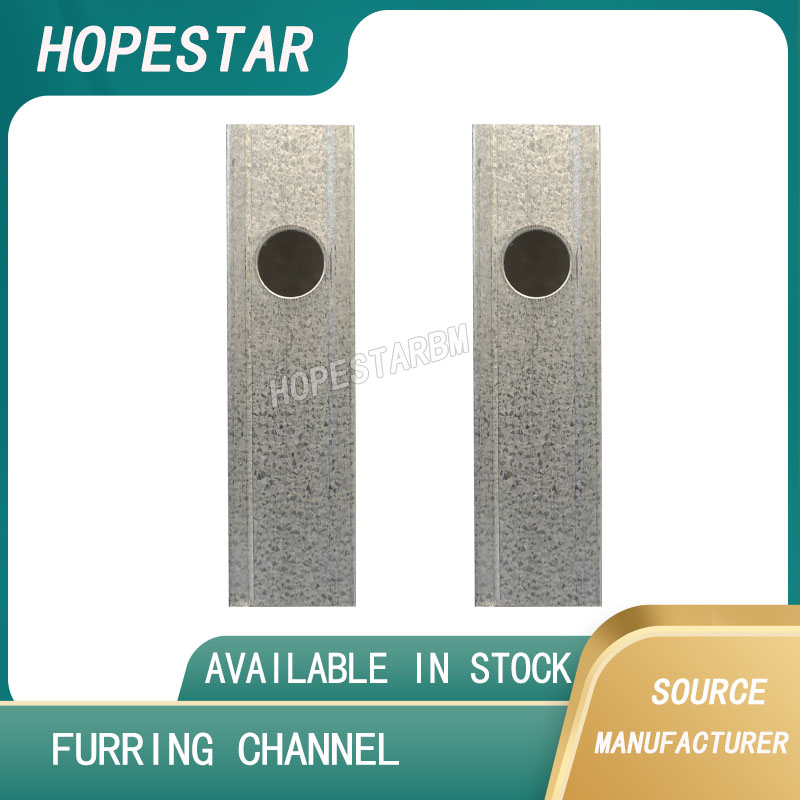
When it comes to modern construction and drywall framing, the metal furring channel plays a crucial role in ensuring a stable, smooth, and professional finish. Whether you're working on a commercial building, residential renovation, or acoustic ceiling project, using the right furring channel can significantly impact durability and performance. In this guide, we’ll explore everything you need to know about metal furring channels, including their benefits, applications, and how to choose the best option for your project.
What Is a Metal Furring Channel?
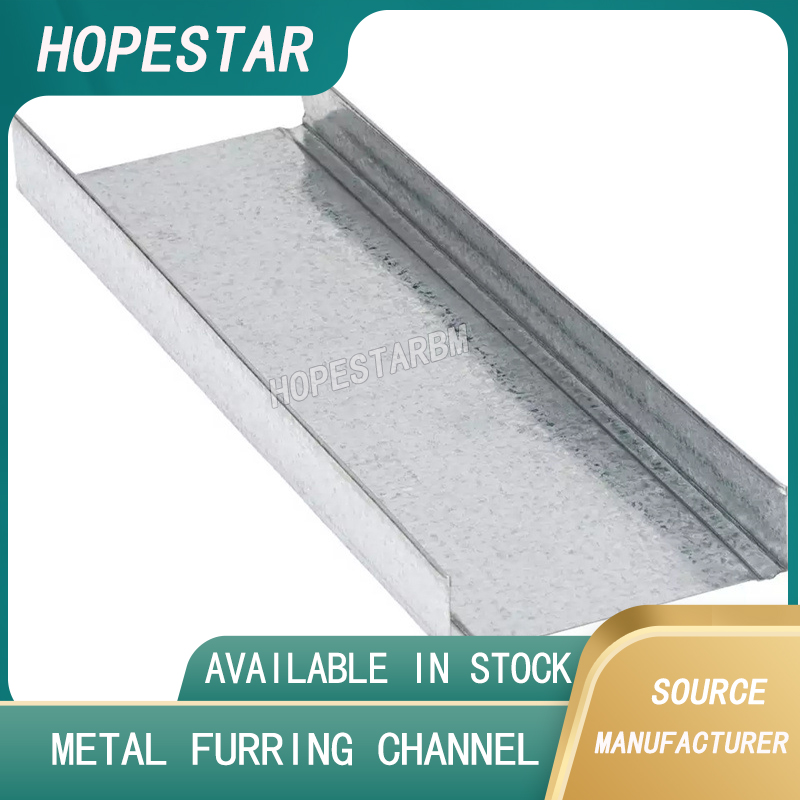
A metal furring channel, also known as a hat channel or steel furring, is a cold-formed metal component used to provide structural support and leveling for walls, ceilings, and masonry surfaces. It is most commonly used in drywall and ceiling systems to create a framework to which panels can be attached. These channels help improve alignment, insulation, and soundproofing.
The cross-section of a metal furring channel often resembles a hat or a shallow "C" shape, which enhances its strength and load-bearing capacity.
Key Benefits of Using Metal Furring Channels
-
Durability and Strength
Made from galvanized steel or aluminum, metal furring channels are resistant to moisture, corrosion, termites, and fire. This makes them ideal for long-term use in humid or high-risk environments. -
Improved Leveling
Uneven wall or ceiling surfaces can be easily corrected by attaching drywall or other materials to a furring channel system. This ensures a perfectly smooth finish, which is essential for both aesthetics and functionality. -
Enhanced Sound Insulation
When used in combination with insulation materials, metal furring channels help reduce noise transmission between rooms or floors. They’re often used in soundproofing systems for commercial buildings, studios, and residential units. -
Quick Installation
Metal furring channels are lightweight and easy to handle, making installation faster and less labor-intensive compared to traditional wood framing. -
Fire Resistance
Unlike wood, metal will not ignite. Metal furring channels are often required in fire-rated wall and ceiling assemblies to comply with building codes.
Common Applications of Metal Furring Channels
-
Drywall Framing: Provides support and spacing between drywall sheets and structural walls or ceilings.
-
Drop Ceilings: Used in suspended ceiling systems for acoustic tiles or panels.
-
Masonry Walls: Installed over brick or concrete walls to support interior finish materials.
-
Insulated Walls: Combined with insulation batts or boards to enhance thermal performance.
-
Commercial Spaces: Widely used in offices, schools, hospitals, and malls due to their fire-rated and durable nature.
Types of Metal Furring Channels
-
Hat-Type Furring Channel:
Shaped like a hat (with flanges facing outward), ideal for ceilings or where direct contact with the framing surface is required. -
Z-Furring Channel:
Resembles a “Z” and is commonly used to hold insulation between the channel and substrate. -
U-Channel (Stud Track):
Often used for wall framing or as a perimeter channel in ceiling systems.
Choosing the Right Metal Furring Channel
When selecting a metal furring channel, consider the following factors:
-
Load Requirements: Ensure the channel gauge and size can support the intended weight (e.g., drywall sheets, ceiling tiles).
-
Environmental Conditions: In humid or coastal areas, opt for galvanized or stainless steel to resist corrosion.
-
Fire Rating: Use UL-listed or fire-rated components when building code compliance is required.
-
Spacing and Layout: Plan your layout carefully—most furring channels are spaced 16" or 24" apart, depending on drywall size and load.
Standard Sizes and Specifications
Common dimensions for metal furring channels include:
-
Width: 1-1/2” to 2-1/2”
-
Height: 7/8”, 1-1/2”, or custom sizes
-
Length: Typically 8 ft, 10 ft, or 12 ft
-
Gauge: Ranges from 25 gauge (light-duty) to 20 gauge (heavy-duty)
Make sure to check with local suppliers for availability and custom options.
Final Thoughts
Using a metal furring channel system can greatly enhance the structural integrity, sound insulation, and fire safety of your building projects. Whether you're an architect, contractor, or DIY renovator, incorporating steel furring channels is a smart choice for achieving a flawless, long-lasting finish.
When sourcing materials, always choose a reputable manufacturer or supplier that offers certified, high-quality metal furring channels. By doing so, you’ll ensure your project meets both safety standards and professional expectations.
Why Metal Corner Bead Is Essential for Professional Drywall Finishing
What Is a Steel U Channel Double Furring Channel?
Related Article