Hat Furring Channel vs Z Channel – What’s the Difference?
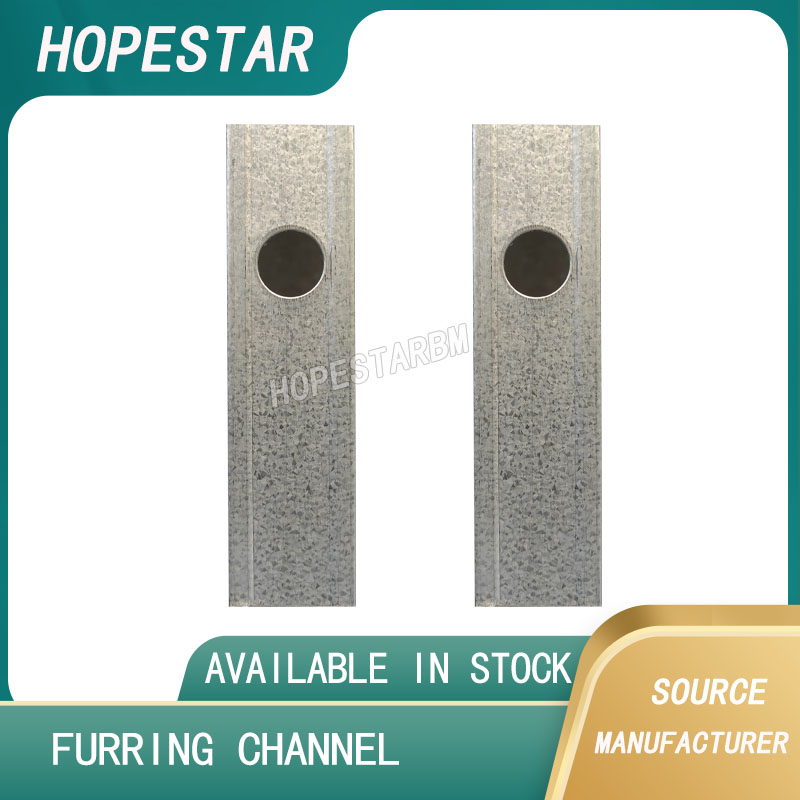
Both hat furring channels and Z channels are popular metal framing components used in drywall, ceiling, and wall construction. They serve as support frameworks but have distinct shapes and applications.
? Hat Furring Channel
-
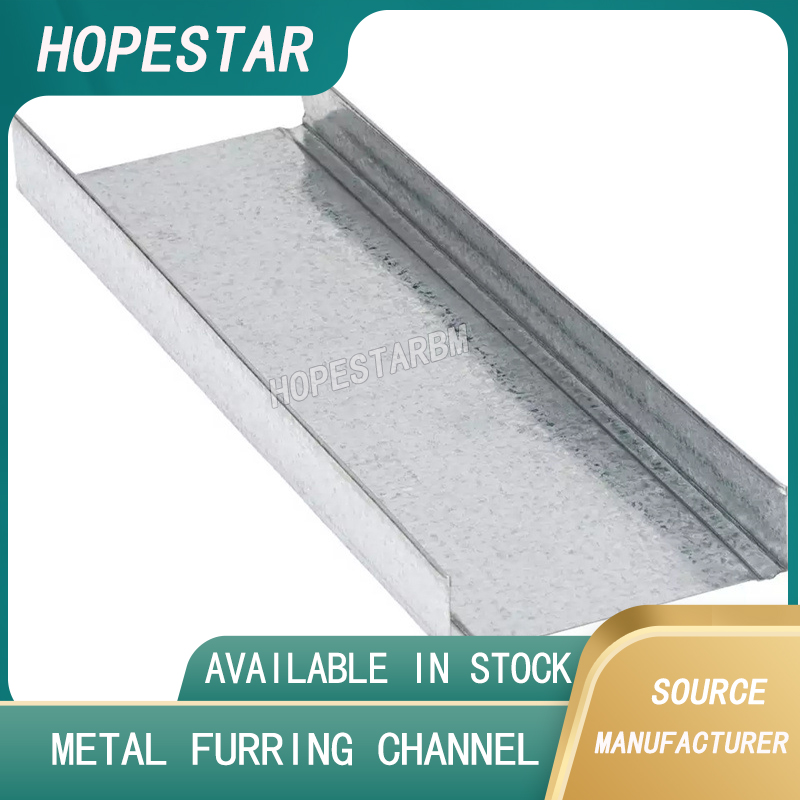
Shape: Named for its “hat”-shaped cross section — a flat top (crown) with two downward flanges (legs).
-
Common Use: Primarily used as a secondary framing member for attaching drywall or ceiling panels.
-
Installation: Typically installed horizontally or vertically on main framing members to create a flat surface.
-
Advantages:
-
Offers excellent load distribution.
-
Easy to align and fasten drywall or other panels.
-
Provides space for insulation, wiring, or plumbing behind the drywall.
-
-
Materials: Usually galvanized steel for corrosion resistance.
? Z Channel
-
Shape: Resembles the letter “Z” in cross-section, with two offset flanges.
-
Common Use: Often used as edging, trim, or framing for perimeter or transition areas; also used for furring in certain wall or ceiling assemblies.
-
Installation: Can be mounted to provide support or act as a transition between different surfaces.
-
Advantages:
-
Good for edge finishing and transitions.
-
Adds rigidity where needed in framing systems.
-
Can be used to bridge gaps or create offsets in assemblies.
-
-
Materials: Also usually galvanized steel.
Summary Table
| Feature | Hat Furring Channel | Z Channel |
|---|---|---|
| Shape | “Hat” shaped profile | “Z” shaped profile |
| Primary Function | Drywall/ceiling panel support | Edge trim, transitions, support |
| Installation Orientation | Horizontal or vertical | Various, often edge or offset |
| Typical Applications | Drywall furring, ceilings | Edge finishing, framing edges |
| Load Distribution | Excellent | Moderate |
| Material | Galvanized steel | Galvanized steel |
Hat Channel Sizes for Drywall Partition – Guide to Choosing the Right Dimensions
What Is a Fire-Rated Hat Channel Framing System?
Related Article