
Metal Furring Channel for Uneven Wall Surfaces: The Ideal Solution for Level and Durable Walls
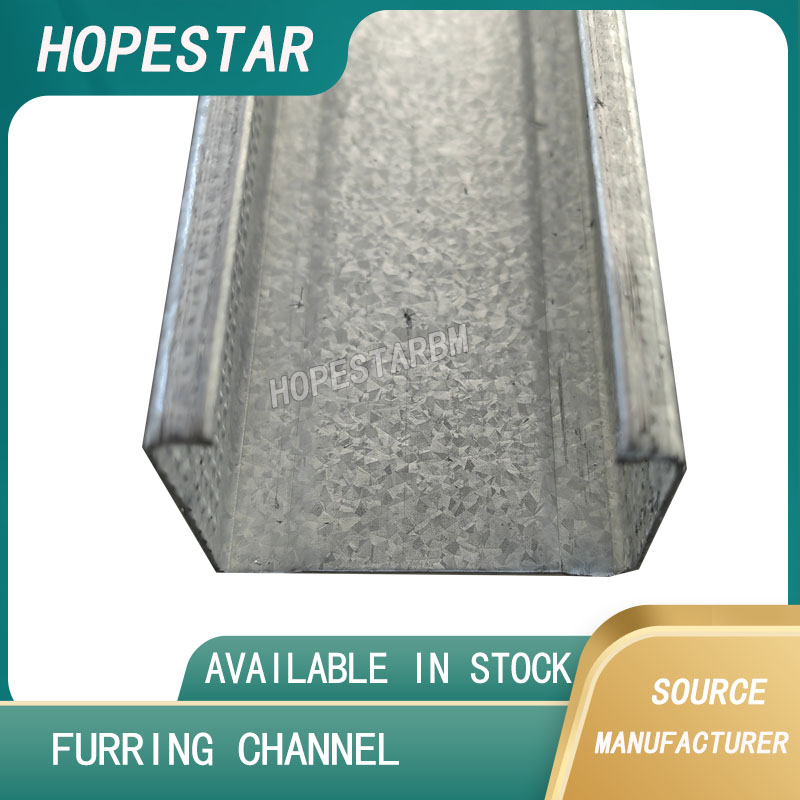
Uneven or irregular wall surfaces are a common challenge in both renovation and new construction projects. Achieving a smooth, level finish over such surfaces can be difficult without proper support. That’s where metal furring channels come into play. Specifically designed to accommodate uneven walls, metal furring channels provide a reliable and adjustable framework to install drywall, plaster, or other finishes with precision and durability.
What Are Metal Furring Channels?
Metal furring channels are lightweight, cold-formed steel profiles, often shaped as hat channels or U-channels, used to create a secondary framework over existing wall surfaces. They act as leveling strips, allowing installers to adjust the distance between the wall and finishing materials, effectively correcting unevenness and providing a flat, stable base.
Why Use Metal Furring Channels for Uneven Walls?
-
Corrects Surface Irregularities
By installing metal furring channels at varying distances from the original wall, contractors can create an even plane for drywall or plaster, regardless of how irregular or damaged the substrate is. -
Strong and Durable Support
Made from galvanized steel, these channels resist corrosion and offer long-lasting structural support for finishing materials. -
Improves Insulation and Soundproofing
The gap created by the channels allows space for installing insulation material, which enhances thermal and acoustic performance. -
Easy to Install and Adjust
Metal furring channels can be easily cut and fastened with screws, nails, or specialized hangers. Their flexibility makes it simple to customize the framework for any wall profile. -
Prevents Moisture and Mold Issues
Because metal does not absorb moisture like wood, using metal furring channels reduces the risk of mold and decay behind finished walls.
Typical Applications
-
Renovation of old or damaged masonry walls
-
Installation over concrete or brick walls with uneven surfaces
-
Creating cavity walls with insulation layers
-
Preparing walls for drywall or plaster in residential and commercial buildings
-
Walls with protrusions, indentations, or structural imperfections
How to Install Metal Furring Channels on Uneven Walls
-
Inspect and clean the existing wall surface.
-
Mark vertical or horizontal lines to guide channel placement.
-
Attach metal furring channels using appropriate fasteners, adjusting spacing to create a level surface.
-
Add insulation material in the cavity if required.
-
Secure drywall or plasterboard to the furring channels with drywall screws.
-
Finish seams and corners with joint compound for a smooth, professional finish.
Choosing the Right Metal Furring Channel
-
Gauge thickness: For uneven walls, a thicker gauge (20 or 22) may provide better support.
-
Channel profile: Hat channels are common, but U-channels or Z-channels can be selected based on specific project needs.
-
Corrosion resistance: Always choose galvanized or coated channels for moisture-prone areas.
Where to Source Metal Furring Channels
Select suppliers that provide:
-
High-quality galvanized steel channels
-
Custom lengths and profiles if needed
-
Compliance with ASTM or equivalent standards
-
Competitive pricing for bulk orders
Conclusion
Metal furring channels offer a versatile and efficient solution for addressing uneven wall surfaces. They provide a durable, level framework that supports drywall and plaster finishes, improves insulation, and prevents moisture-related problems. Whether for renovation or new construction, metal furring channels ensure your walls are smooth, stable, and built to last.
What Are Metal Accessories for Drywall Framing
Metal Furring Channel for Wall Construction: A Reliable Framework for Modern Building
Related Article



