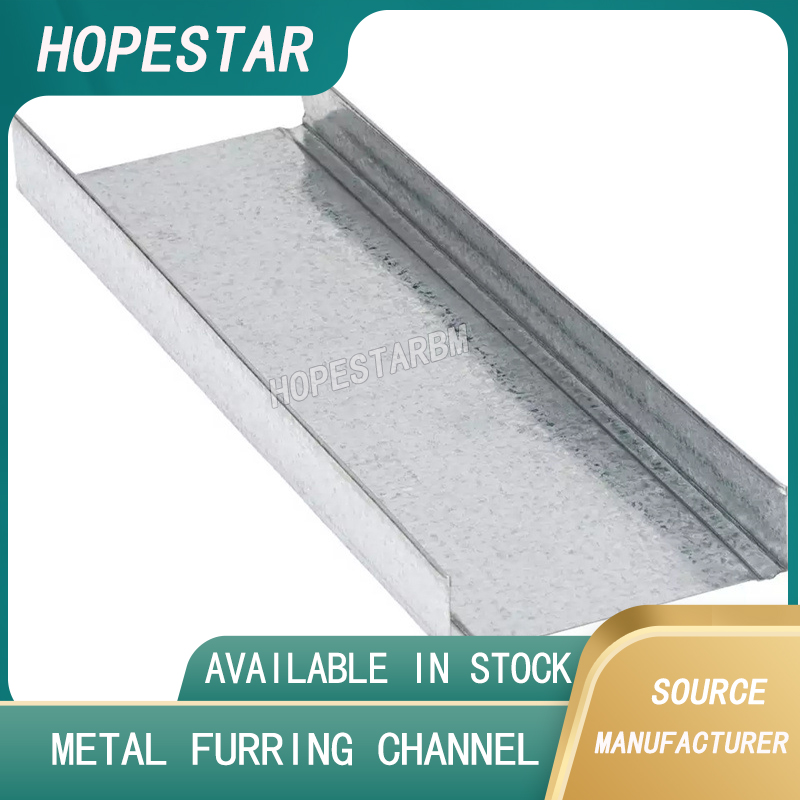
Metal Furring Channel for Wall Construction: A Reliable Framework for Modern Building
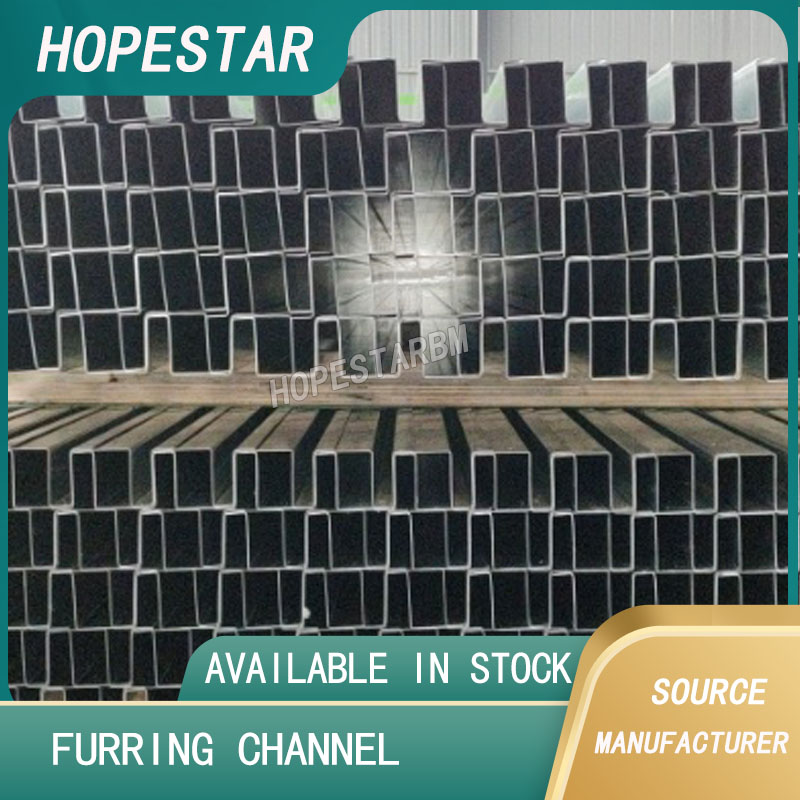
In wall construction, creating a strong, level, and durable surface is essential for both structural integrity and aesthetic appeal. Metal furring channels have become a popular choice among builders and contractors for providing an efficient framework that supports drywall, plaster, or other wall finishes. These channels help solve common issues such as uneven walls, moisture damage, and sound insulation challenges.
What Is a Metal Furring Channel?
A metal furring channel is a lightweight, cold-formed steel profile, typically shaped like a hat, U, or Z, used to create a framework for wall finishes. It is attached to existing masonry, concrete, or framing surfaces, allowing for the installation of drywall or plasterboard over an even and stable base.
Advantages of Using Metal Furring Channels in Wall Construction
-
Creates Level Surfaces
Metal furring channels help correct uneven or rough wall surfaces by providing a consistent plane to attach finishing materials. This is especially useful in renovations where walls may be irregular. -
Moisture and Fire Resistance
Galvanized steel channels resist corrosion and are non-combustible, making them suitable for damp or fire-sensitive areas such as basements, bathrooms, and commercial buildings. -
Improved Sound and Thermal Insulation
The air gap created between the furring channel framework and the original wall can accommodate insulation materials, enhancing acoustic and thermal performance. -
Lightweight and Easy to Install
Metal furring channels are lighter than traditional wood furring strips, reducing labor effort and installation time. They can be cut and fastened quickly using standard tools. -
Durability and Stability
Unlike wood, metal does not warp, twist, or shrink over time, ensuring long-lasting wall integrity and finish quality.
Common Applications in Wall Construction
-
Interior drywall framing over masonry or concrete walls
-
Partition walls in offices, hospitals, and commercial spaces
-
Walls requiring soundproofing or thermal insulation
-
Renovations of uneven or damaged walls
-
Supporting veneers and plaster systems
Standard Sizes and Profiles
Metal furring channels come in various profiles, such as:
-
Hat Channel (7/8” or 1-1/2”): Most common for drywall attachment
-
Z-Channel: Often used for attaching insulation boards
-
U-Channel: Provides structural support in specific framing systems
The size and gauge of the channel should be selected based on the project requirements and wall load.
Installation Tips
-
Prepare the surface by cleaning and marking layout lines.
-
Attach furring channels vertically or horizontally to the substrate using appropriate anchors.
-
Ensure proper spacing, typically 16” or 24” on center, depending on drywall thickness and load.
-
Install insulation between channels if sound or thermal insulation is needed.
-
Fix drywall or other finishing boards securely to the channels with drywall screws.
-
Finish joints and corners for a smooth, professional surface.
Where to Source Quality Metal Furring Channels
Look for suppliers that provide:
-
Galvanized or coated steel channels to prevent rust
-
Certified quality compliant with ASTM or ISO standards
-
Competitive pricing for bulk orders
-
Custom sizes or profiles if required for specialized projects
Conclusion
Metal furring channels are a versatile and effective solution for wall construction. They provide a reliable framework that enhances wall flatness, durability, and insulation performance while being easy to install and maintain. Choosing high-quality metal furring channels will ensure that your wall projects stand the test of time and deliver professional results every time.
Metal Furring Channel for Uneven Wall Surfaces: The Ideal Solution for Level and Durable Walls
Why Metal Furring Channel Is Essential for Drywall Support
Related Article