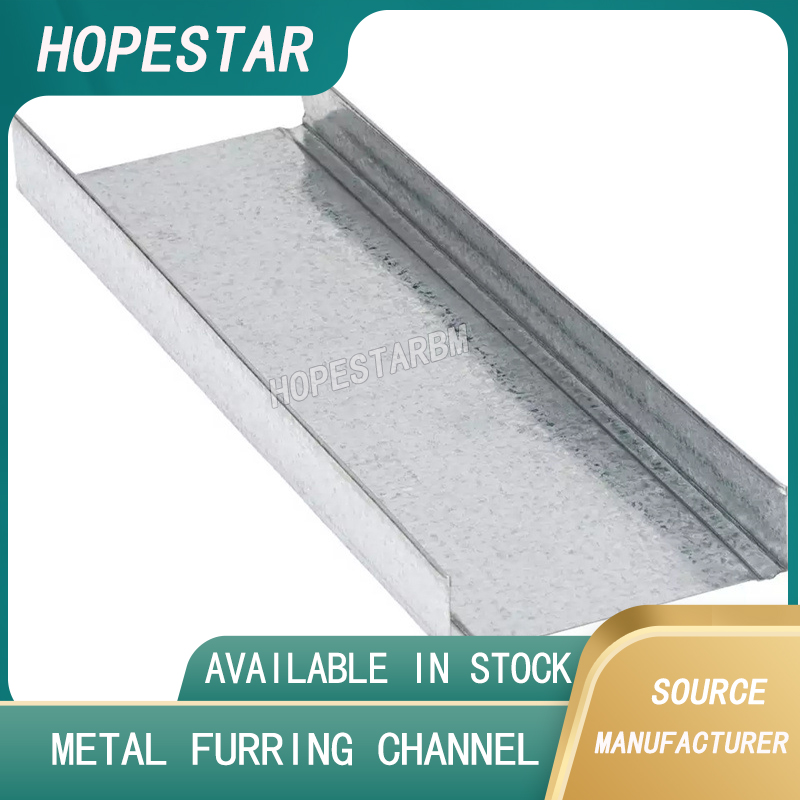
7 Essential Standards for Australian Light Steel Framing: What You Must Know

Light steel framing has become a preferred construction solution across Australia for residential, commercial, and industrial buildings. However, unlike some global markets, Australia enforces strict compliance standards to ensure safety, durability, and performance — especially given the country’s unique climate and environmental challenges.
If you are a manufacturer, exporter, or contractor, understanding these seven essential standards for Australian light steel framing is critical to ensuring product acceptance, legal compliance, and long-term success.
1. AS/NZS 4600 – Cold-Formed Steel Structures
This is the core structural standard for light gauge steel framing in Australia and New Zealand. It covers the design, fabrication, and performance of cold-formed steel structural members used in building applications.
Compliance with AS/NZS 4600 ensures:
-
Structural strength under wind, seismic, and live loads
-
Proper section design (C-studs, tracks, channels, etc.)
-
Consistent performance over the building’s lifetime
This standard must be met by all load-bearing light steel framing systems in Australia.
2. AS 1397 – Steel Sheet and Strip for Structural Use
AS 1397 specifies the base material requirements for galvanized and alloy-coated steel used in light steel framing. It defines:
-
Steel grades (e.g., G300, G550)
-
Coating classes (e.g., Z200, Z275, AZ150)
-
Minimum yield strength
-
Zinc or aluminium-zinc alloy coatings for corrosion resistance
Materials that do not meet AS 1397 are likely to be rejected by Australian engineers or builders.
3. NCC (National Construction Code) Compliance
The NCC is Australia’s national building code. All construction materials and systems — including light steel framing — must comply with NCC guidelines regarding:
-
Fire safety
-
Energy efficiency
-
Structural integrity
-
Moisture control
Meeting NCC requirements is not optional — it’s legally enforced and mandatory for building approval in every Australian state and territory.
4. AS/NZS 1170 – Structural Design Actions
This standard outlines the loading criteria for structural components under wind, snow, earthquake, and other environmental conditions. Light steel framing must be designed using the correct load actions according to this standard.
For areas prone to high winds or cyclones, such as Queensland or Northern Territory, wind-load-tested framing systems are crucial.
5. AS/NZS 4859 – Thermal Insulation Compatibility
With a strong focus on energy efficiency and sustainability, light steel framing used in Australia must be compatible with insulation systems under AS/NZS 4859. This ensures:
-
Proper thermal resistance (R-value)
-
Reduced thermal bridging
-
Compliance with 6-star energy rating requirements in residential construction
If your framing profile is used with insulation batts or panels, thermal performance must be verified under this standard.
6. AS 1530 – Fire Resistance Testing
In buildings where fire performance is critical, such as multi-residential apartments or commercial structures, steel framing systems may need to be tested under AS 1530 for:
-
Fire resistance levels (FRL)
-
Non-combustibility of materials
-
Performance in wall and ceiling assemblies
Using fire-rated drywall with light steel framing also depends on meeting AS 1530 criteria.
7. AS 3623 – Domestic Metal Framing Connectors
Connectors and fasteners used in Australian steel framing systems must comply with AS 3623. This standard ensures:
-
Safe load transfer between studs, tracks, and trusses
-
Resistance to pull-out and shear forces
-
Longevity and corrosion protection
Even if your steel framing is fully compliant, non-compliant screws or brackets may invalidate structural approval.
Why These Standards Matter
Australia’s construction industry is highly regulated to protect buildings from harsh weather, bushfires, termites, and long service life expectations. Framing systems that fail to meet these standards risk:
-
Rejection during certification
-
Increased warranty issues
-
Lost customer trust and reputation
By ensuring that your light steel profiles, materials, and accessories meet these seven standards, you demonstrate professionalism, reliability, and market readiness.
Which Type of Light Steel Frame Is Commonly Used for Interior Fit-Outs in Australia?
Types of Materials Used in Australian Light Steel Framing: A Complete Guide
Related Article