Types of Materials Used in Australian Light Steel Framing: A Complete Guide
Light steel framing has become a dominant building method in Australia, especially in residential, commercial, and industrial construction. Known for its strength, durability, and resistance to termites and fire, Australian light steel framing offers a sustainable alternative to traditional timber structures. But what materials are used to manufacture these steel framing systems?
In this article, we will explore the main types of materials used in Australian light steel framing, including their properties, applications, and standards. Understanding these materials is essential for builders, suppliers, architects, and exporters serving the Australian construction market.
1. Galvanized Steel (Zinc-Coated Steel)
Galvanized steel is the most widely used material in Australian light steel framing. It is produced by coating cold-rolled steel with a protective layer of zinc, which enhances corrosion resistance and extends service life.
Key Features:
-
Follows AS 1397 Australian Standard
-
Coating grades: Z200, Z275, Z350 (number refers to grams of zinc per square meter)
-
Excellent for both interior and exterior applications
-
Resistant to rust, termites, and fire
Applications:
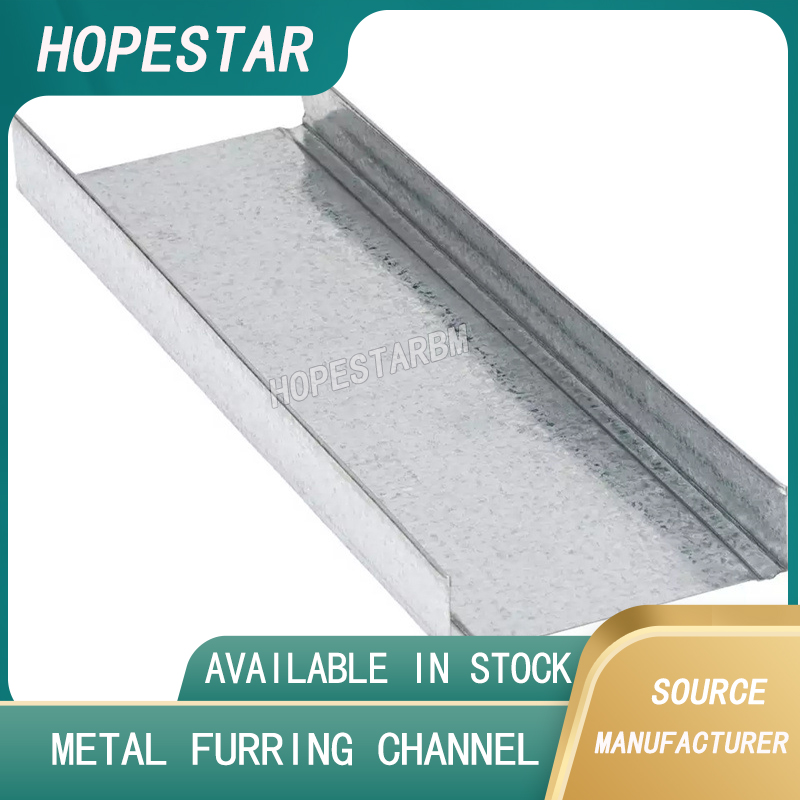
Galvanized steel is used for C studs, U tracks, ceiling battens, top hat channels, wall frames, roof trusses, and furring channels. It's the most economical and commonly accepted choice in residential and light commercial buildings.
2. Zincalume® Steel (Aluminium-Zinc Alloy Coated Steel)
Zincalume® steel is coated with an alloy of 55% aluminium, 43.5% zinc, and 1.5% silicon. This material offers superior corrosion protection compared to standard galvanized steel, especially in coastal or high-humidity areas.
Key Features:
-
Longer service life than traditional galvanized steel
-
Greater heat reflectivity and thermal stability
-
Recognized under the AS 1397 AZ150 standard (150g/m² coating)
-
Often branded by BlueScope Steel in Australia
Applications:
Zincalume® is used in structural frames, roofing battens, wall linings, and purlins — especially in areas exposed to moisture, salt, or temperature fluctuations.
3. Galvalume Steel
Galvalume is similar to Zincalume®, as it also uses a zinc-aluminum alloy coating, but the exact composition may vary slightly based on supplier or international standards. While not as commonly used in Australia as Zincalume®, it remains an option for high-performance steel frames.
Key Benefits:
-
Excellent corrosion resistance
-
Strong thermal and weathering performance
-
Suitable for external framing or exposed structures
Market Tip:
Builders and suppliers targeting export or custom prefab housing may consider Galvalume-coated steel for customers who prioritize long-term durability.
4. Pre-Painted Colorbond® Steel
Colorbond® steel is a pre-painted steel product designed specifically for Australian conditions. Manufactured by BlueScope, it combines Zincalume® base with durable paint layers, making it ideal for aesthetic and exposed applications.
Key Features:
-
Tested under Australian UV, heat, rain, and dust conditions
-
Available in a wide range of colors
-
Low maintenance and high color retention
-
Complies with AS/NZS 2728 (performance standard for pre-painted steel)
Applications:
Common in visible structural areas such as roof battens, soffits, wall panels, carports, and pergola frames.
5. Stainless Steel (for Specialized Applications)
Though rarely used in standard residential framing due to cost, stainless steel is sometimes chosen for projects in highly corrosive environments, such as coastal or chemical-exposed areas.
Properties:
-
High corrosion and chemical resistance
-
Longer service life
-
Requires special cutting and fasteners
Applications:
Specialized framing for marine buildings, coastal balconies, industrial zones, or high-humidity interiors (like pools or cold storage facilities).
7 Essential Standards for Australian Light Steel Framing: What You Must Know
French Light Steel Keel vs Australian Light Steel Framing: Key Differences Explained
Related Article