French Light Steel Keel vs Australian Light Steel Framing: Key Differences Explained
Light steel framing systems are widely used across the world in modern construction due to their strength, durability, and lightweight properties. However, standards and specifications for light steel keels (also known as metal studs or steel profiles) vary by country. In this article, we will explore the main differences between French light steel keel systems and Australian light steel framing, focusing on design, size, installation practices, and compliance requirements.
Understanding these differences is crucial for manufacturers, exporters, contractors, and architects who work in global markets.
1. Structural Design and Profile Shape
French light steel keel systems typically feature a standard C and U-shaped profile design, similar to what is seen in most European countries. These profiles are often slimmer and optimized for drywall partition walls, acoustic insulation walls, and non-load-bearing applications.
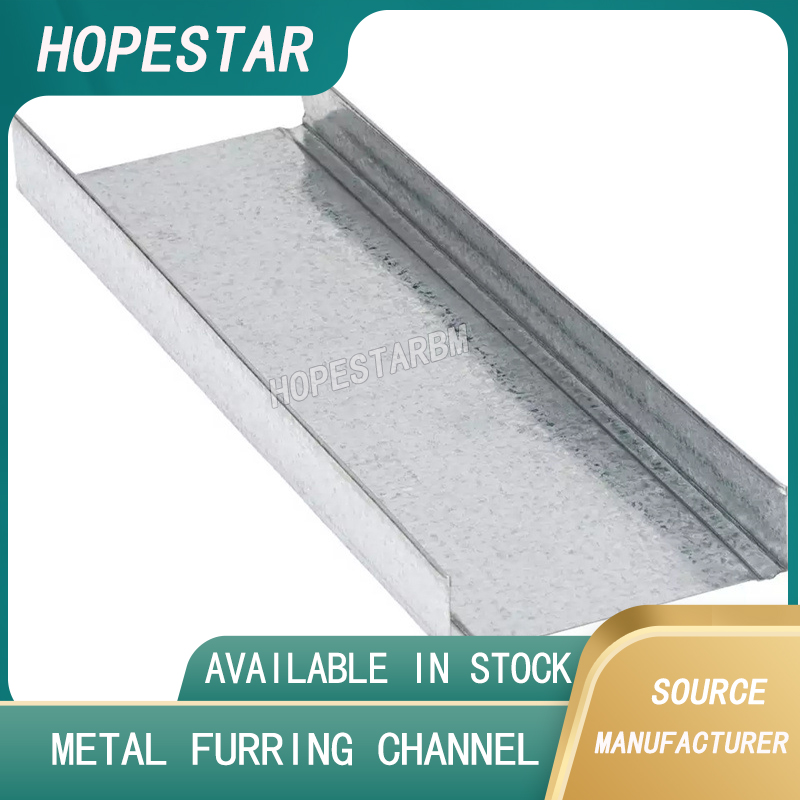
In contrast, Australian light steel framing includes a broader range of profiles, including top hats, battens, C-studs, and furring channels, often built with thicker galvanized steel. These profiles are designed not only for internal walls but also for load-bearing framing, especially in lightweight residential buildings. Australian systems often include fire-rated and cyclone-rated options to suit their climate and safety codes.
2. Material Thickness and Galvanization Standards
In France, most steel keels are manufactured using thin galvanized steel, commonly ranging from 0.5 mm to 0.6 mm in thickness for interior partition systems. French standards follow the European EN norms, focusing on efficient use of material while maintaining sound insulation and rigidity.
Australia, on the other hand, often requires thicker profiles, especially for structural use. Galvanized steel used in Australian framing systems typically follows AS/NZS 4600 and AS 1397 standards, which require a higher level of corrosion protection and structural integrity. It’s common to see 0.75 mm or even 1.15 mm thick steel in wall studs, particularly in multi-story housing projects.
3. Installation Practices and Framing Systems
French light steel keels are primarily used in metal stud drywall systems, often installed with minimal anchoring and designed for quick indoor partitioning. The focus is on flexibility and speed during interior renovation or new commercial builds.
In Australia, installation is more robust due to environmental conditions. Wall frames and ceiling systems often need to withstand strong winds and seismic activity. Hence, screw-fixed framing, bracing systems, and integration with insulated wall panels are common. The Australian system places a strong emphasis on thermal performance, energy efficiency, and long-term structural safety.
4. Code Compliance and Certifications
France follows EU harmonized standards, such as EN 14195 for metal framing components in drywall systems. All construction materials must meet CE marking requirements, focusing on health, safety, and environmental protection.
Australia has its own set of rigorous standards including AS/NZS 4859 for insulation, AS/NZS 4600 for cold-formed steel structures, and the National Construction Code (NCC). These standards ensure that light steel framing systems are suitable for Australia’s unique environmental conditions.
5. Applications and Market Demand
French light steel keel systems are mostly used in interior design, commercial office partitions, hotel renovations, and acoustic wall systems. The French market favors modular and aesthetic solutions.
Meanwhile, the Australian market increasingly uses light steel framing for entire residential structures, including walls, roofs, and floors. Steel framing is considered a complete alternative to timber in new-build housing, making the demand for structural-grade steel profiles much higher in Australia than in France.
Conclusion
While both French and Australian light steel keel systems serve similar functions in wall and ceiling framing, the differences in design philosophy, material specifications, and code compliance reflect the unique needs of each region. French keels are lighter, more modular, and focus on indoor partitioning, while Australian steel framing is heavier-duty, structurally robust, and suited for load-bearing roles in full building frameworks.
If you are a supplier or builder working across regions, it's important to tailor your products to meet local standards and customer expectations. Understanding these distinctions can help improve product compatibility, reduce construction issues, and support your international business expansion.
Types of Materials Used in Australian Light Steel Framing: A Complete Guide
Omega Furring Channel: A Reliable Metal Furring Profile for Drywall and Ceiling Systems
Related Article