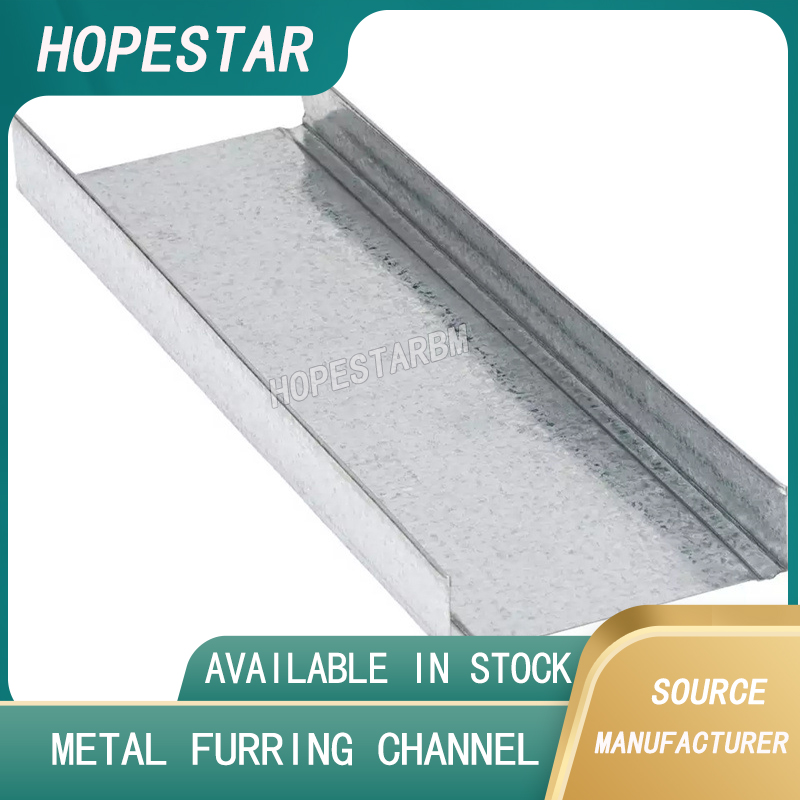
Wall Metal Furring: Ultimate Guide to Benefits, Applications, and Installation
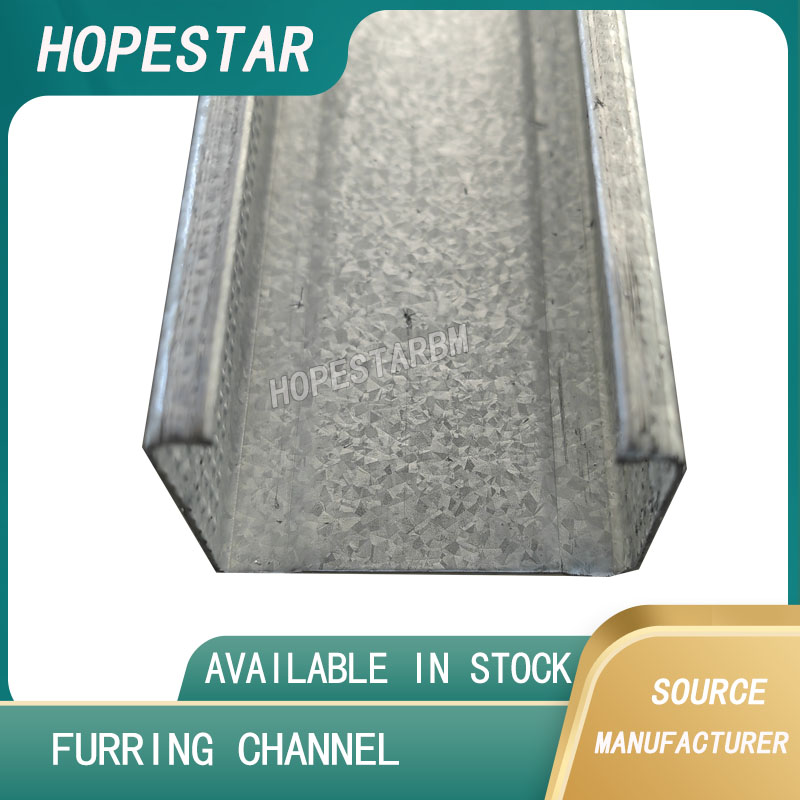
Wall metal furring is a critical component in modern construction, especially when it comes to creating strong, level, and durable wall systems. Whether you’re working on drywall partitions, cladding installations, or insulation support, metal furring provides the framework needed to ensure quality finishes. This article offers a complete overview of wall metal furring, including its benefits, typical applications, and how it is installed in real-world construction projects.
What Is Wall Metal Furring?
Wall metal furring refers to a series of thin metal profiles—often made from galvanized steel—that are attached to masonry, concrete, or structural framing to create a substructure. This substructure allows for the installation of finishing materials such as gypsum board, fiber cement board, wooden panels, or composite cladding. Furring channels come in various shapes and sizes, including C-channels, Z-channels, hat channels, and U-tracks.
Benefits of Using Metal Furring for Walls
1. Durability and Structural Strength
Metal furring channels are corrosion-resistant and do not rot, warp, or shrink like wood. Their strength ensures long-lasting support for various wall materials and finishes.
2. Moisture and Fire Resistance
Galvanized or coated steel offers high resistance to moisture, mold, and fire—making it ideal for both interior and exterior wall systems.
3. Enhanced Acoustic and Thermal Insulation
Wall metal furring allows space between the structural wall and the finish, which can be filled with insulation materials or soundproofing foam to improve thermal and acoustic performance.
4. Easy Alignment and Leveling
Uneven concrete or masonry walls can be leveled using metal furring, ensuring a perfectly straight surface for drywall or panel installation.
5. Lightweight and Cost-Effective
Compared to traditional wall-building methods, metal furring offers a faster and often more affordable solution—especially in large-scale commercial projects.
Common Applications of Wall Metal Furring
-
Interior Drywall Partitions – in residential apartments, office buildings, hotels, and schools.
-
Exterior Wall Cladding Support – to fix fiber cement, aluminum composite panels (ACP), or metal cladding.
-
Ceiling-to-Floor Wall Lining – for creating clean vertical surfaces over existing walls.
-
Insulated Wall Systems – combining furring with thermal insulation for energy efficiency.
-
Fire-Rated Walls – used in hospitals, airports, and public buildings for fire protection compliance.
Types of Wall Metal Furring Profiles
-
C-Channel (Stud and Track)
Common in wall framing systems, these vertical channels provide structural support and form the main frame of partition walls. -
Hat Channel
Recognized by its hat-like cross-section, it offers easy attachment for drywall or panels, especially in furring systems. -
Z-Channel
Used for mounting cladding or siding on uneven walls, providing spacing and support. -
U-Track
Installed at the top and bottom of wall partitions to guide vertical studs.
How to Install Wall Metal Furring
Step 1: Surface Preparation
Clean the wall surface and mark out where the furring channels will be installed.
Step 2: Fixing Wall Brackets
Install metal furring brackets or clips at equal spacing (typically 600mm or 24 inches apart), vertically aligned along the wall.
Step 3: Mounting the Furring Channels
Attach furring channels (C or hat sections) to the brackets using screws or rivets. Use a spirit level to ensure proper alignment.
Step 4: Installing Insulation (Optional)
If thermal or acoustic insulation is needed, place the insulation material between the furring and the base wall.
Step 5: Fixing Wall Boards or Panels
Screw the gypsum board, cement board, or other cladding directly onto the metal furring channels.
Step 6: Finishing
Tape the joints, apply joint compound, sand the surface, and apply paint or wall covering as needed.
Why Choose Wall Metal Furring Over Wood?
While wooden studs have been traditionally used, metal furring provides greater consistency and fewer issues with pests, moisture, and fire. For projects requiring precise alignment, speed of installation, and long-term durability, steel wall furring is now the preferred choice for many contractors and architects.
Final Thoughts
Wall metal furring systems offer a smart, long-term solution for modern wall construction. Their structural integrity, resistance to environmental factors, and ease of installation make them suitable for a wide range of residential, commercial, and industrial applications. Whether you're remodeling a home or constructing a high-rise office, incorporating metal furring in wall systems ensures that your walls remain stable, smooth, and built to last.
What is a Metal Stud?
Why Use Metal Furring for Ceilings?
Related Article