Why Use Metal Furring for Ceilings?
Metal furring is a vital component in modern ceiling systems, especially in commercial, industrial, and residential buildings. Whether you’re working on a suspended ceiling or a drywall installation, ceiling using metal furring offers a durable, stable, and precise framework. This article explores the advantages of metal furring ceilings, where they are commonly used, and key installation insights to help contractors and builders make informed decisions.
What Is Metal Furring?
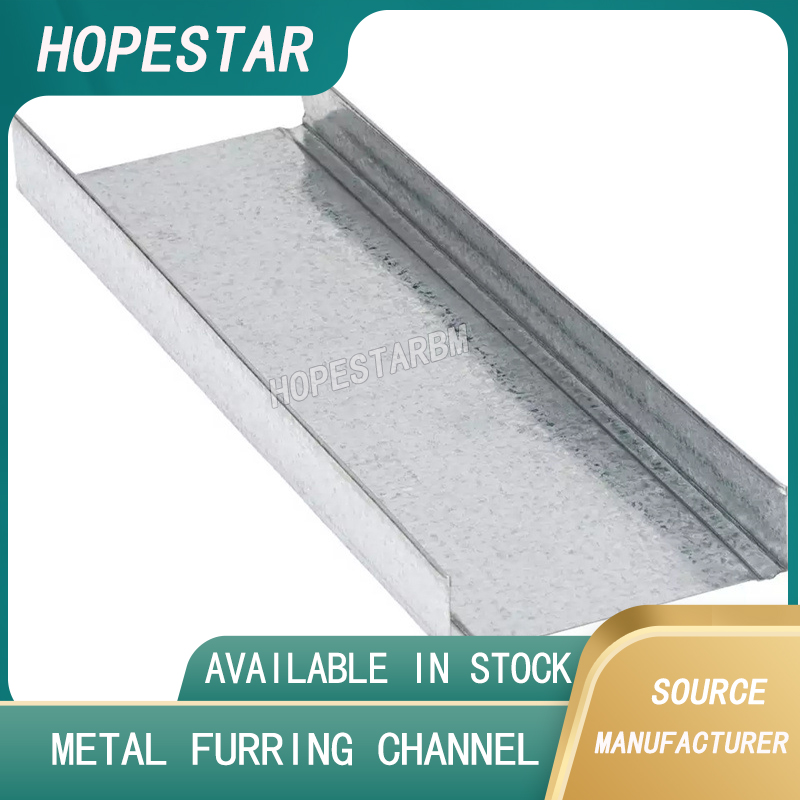
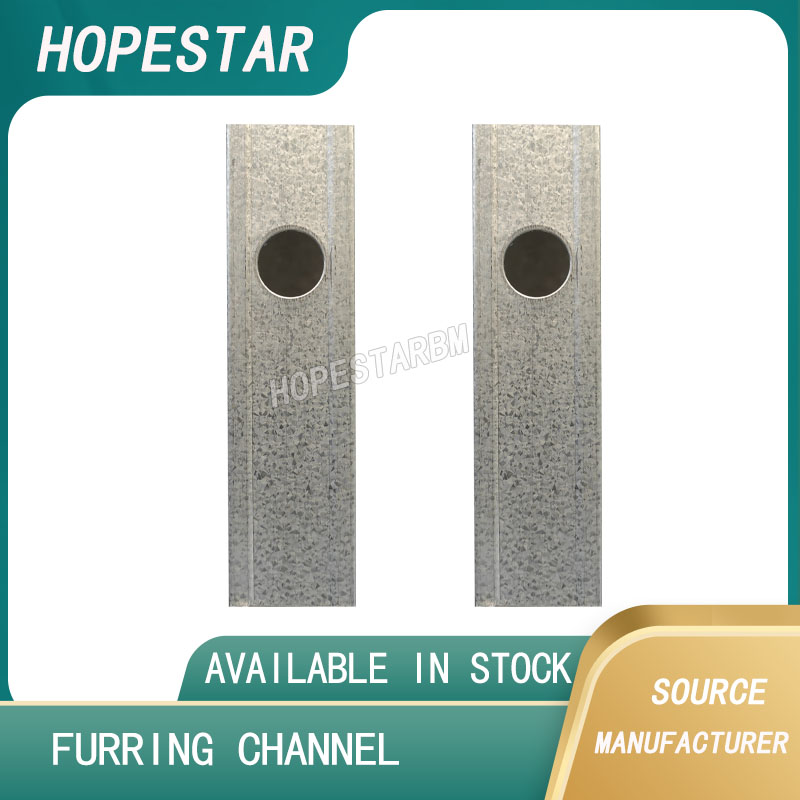
Metal furring consists of lightweight steel channels that are fixed to the ceiling structure to create a sub-frame. Onto this framework, finishing materials like gypsum boards, PVC panels, acoustic tiles, or wood panels are installed. Common types of metal furring include hat channels, furring channels, Z channels, and C studs.
Advantages of Using Metal Furring for Ceilings
-
Durability and Strength
Unlike wood, metal furring is not susceptible to warping, termite damage, or rotting. It maintains structural integrity over time and supports heavier ceiling panels. -
Fire and Moisture Resistance
Galvanized or coated steel furring provides fire-resistant properties and withstands humidity — making it ideal for kitchens, bathrooms, and basements. -
Lightweight and Easy to Handle
Steel furring is strong yet light, simplifying transport, cutting, and on-site adjustments. -
Consistent Flat Surface
It offers a perfectly aligned surface, especially helpful for large drywall installations or where surface finishing is critical. -
Flexible Design Options
Builders can easily adapt metal furring to irregular ceiling layouts or multi-level ceiling designs like drop ceilings, tray ceilings, or coffered ceilings.
Common Applications of Metal Furring Ceilings
-
Residential buildings – for smooth gypsum board ceilings or soundproofing systems.
-
Commercial spaces – such as offices, retail stores, and hotels needing concealed wiring and HVAC.
-
Industrial settings – offering high durability under harsh conditions.
-
Acoustic ceilings – using furring to support sound-absorbing materials.
Basic Steps in Installing a Metal Furring Ceiling
-
Layout Planning
Mark ceiling height and position of main and furring channels according to the design. -
Install Suspension Wires or Anchors
Use hangers or rods to support the main channels from the structural ceiling. -
Fix Main Channels (Carrying Channels)
Secure main channels horizontally at regular intervals (commonly 600mm to 1200mm). -
Attach Furring Channels
Perpendicular to the main channels, install furring channels at 400mm or 600mm spacing. -
Install Ceiling Board or Panels
Screw or clip the ceiling material onto the metal framework using proper fasteners. -
Finishing
Apply tape, joint compound, or paint depending on the ceiling finish desired.
Final Thoughts
Using metal furring for ceilings is a modern, efficient, and long-lasting solution. It ensures structural reliability, fire safety, and a professional finish — while offering design flexibility. For contractors, architects, and homeowners seeking performance and quality, a metal furring ceiling system is a smart investment in any type of construction.
Wall Metal Furring: Ultimate Guide to Benefits, Applications, and Installation
Channel Steel Applications, Types, and Global Supply Trends
Related Article