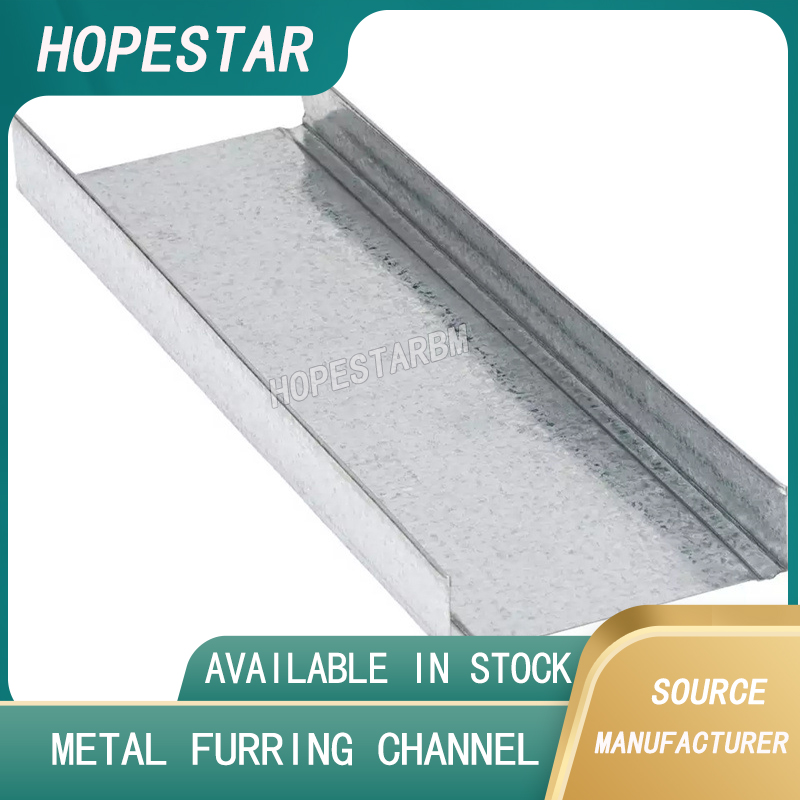
Channel Steel Applications, Types, and Global Supply Trends
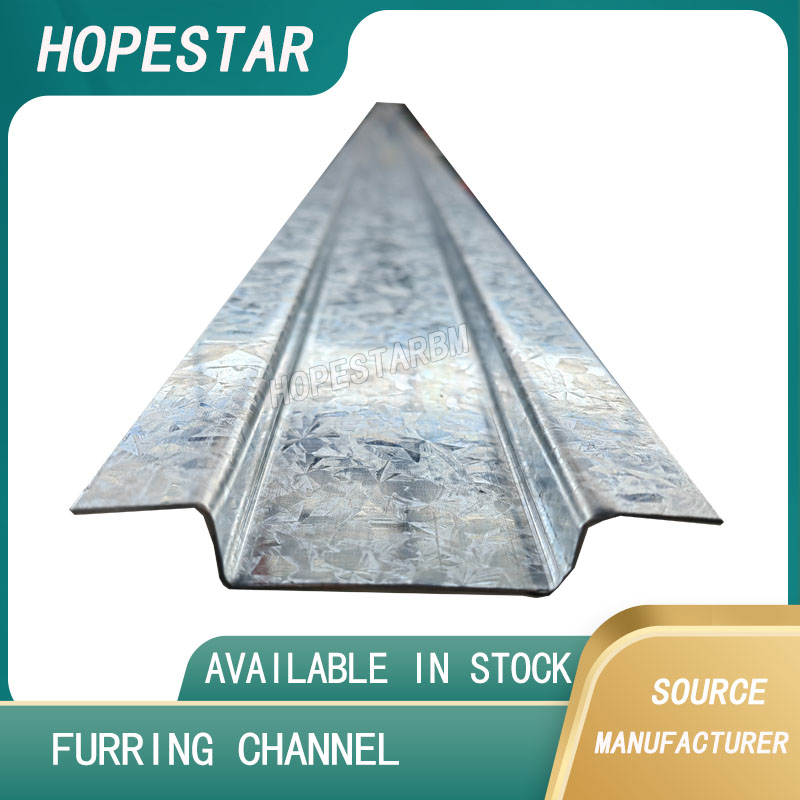
Channel steel, also known as C channel or U channel steel, is an essential component in modern construction and structural engineering. Its versatile C- or U-shaped cross-section allows it to be used across a wide range of industrial and commercial applications. Whether it's for supporting walls, solar panel systems, or machinery bases, channel steel provides strength, durability, and efficiency.
Types of Channel Steel
The two most common types of channel steel are hot rolled channel steel and cold formed channel steel. Hot rolled channel steel for construction is widely used in heavy-duty structures like bridges and buildings, while cold formed channel steel supplier options are preferred in lightweight and precision applications such as framing systems and modular installations.
For enhanced protection, galvanized channel steel beams are corrosion-resistant and ideal for outdoor or marine environments. Powder coated steel channels are also available, offering added aesthetic appeal and surface protection.
Sizes and Specifications
Channel steel comes in various dimensions. Most global manufacturers provide steel channel sizes and dimensions ranging from 40x20 mm up to 300x100 mm, with thicknesses between 1.5 mm and 10 mm. These specifications vary depending on whether you need lightweight channel steel for ceilings or heavy-duty c channel for bridges.
For solar installations, C channel steel for solar mounting offers high strength-to-weight ratio and excellent wind load resistance. Meanwhile, U channel steel for wall framing is widely used in commercial interiors and drywall partitions.
Key Applications
-
Construction Framing: Channel steel is used for steel framing channels for drywall, ceilings, and partitions.
-
Industrial Support: Steel channel for cable tray support ensures neat and reliable routing of electrical systems.
-
Solar Energy: C channel steel for solar mounting provides structural integrity for PV modules.
-
Ventilation and HVAC: Perforated steel channels for ventilation support ducts and airflow systems.
-
Machinery and Equipment: Channel steel for machinery frames ensures durability in harsh industrial environments.
Global Supply and Customization
As demand for structural efficiency increases, many buyers seek custom fabricated steel channels tailored to project needs. International suppliers now offer black steel C channels for warehouse structures and mild steel channel bar manufacturers cater to bulk custom orders.
Moreover, the steel U channel price per meter remains competitive due to improved production technologies and global sourcing. Exporters focus on providing corrosion-resistant steel U channels that meet international standards like ASTM, BS, and DIN.
Conclusion
Whether you are a contractor, distributor, or OEM buyer, channel steel remains a smart and strategic choice. Its adaptability in construction, framing, solar energy, and equipment manufacturing makes it indispensable.
For accurate quoting, be sure to specify structural steel channel specifications, quantity, and surface treatments. Choosing the right channel steel can significantly impact structural performance and cost-effectiveness of your project.
Why Use Metal Furring for Ceilings?
corner beads metal
Related Article