
Carrying Channel and Metal Furring
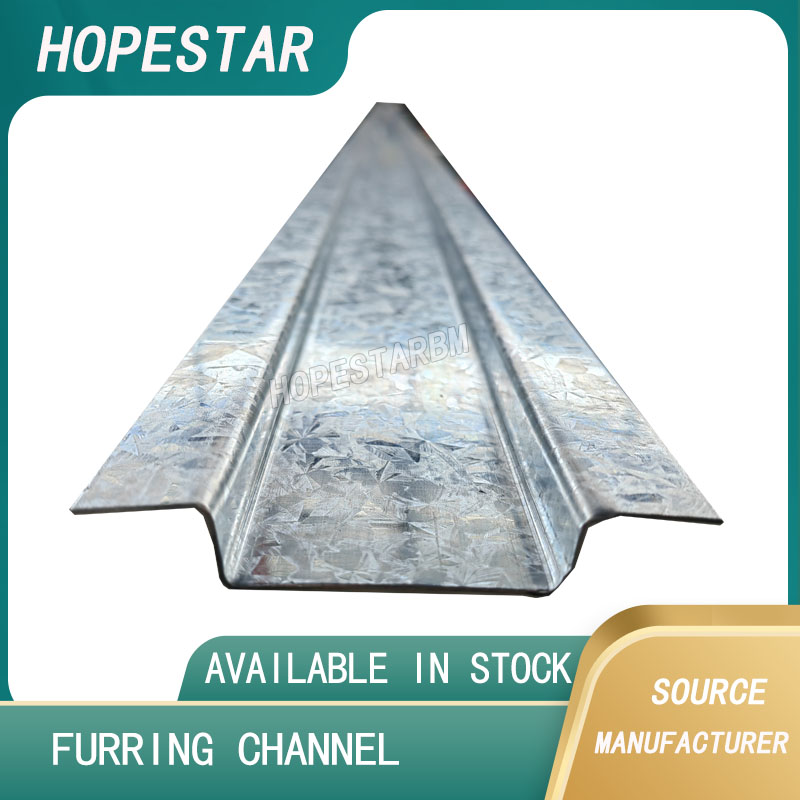
In modern construction, especially in ceiling and partition systems, two of the most important structural elements are the carrying channel and metal furring. These components form the hidden framework that supports the visible finish — whether it's drywall, gypsum board, or acoustic ceiling panels. Understanding their roles, dimensions, and applications is crucial for contractors, architects, and builders aiming for structural stability and professional finishes.
What Is a Carrying Channel?
The carrying channel, also known as a main channel, is a primary support member in suspended ceiling systems. It is typically a U-shaped or C-shaped galvanized steel profile, running parallel to the structural ceiling. Its main function is to support the cross furring channels or furring runners, which in turn carry the ceiling boards.
Standard Sizes of Carrying Channels:
-
Width: 68mm – 89mm
-
Height: 19mm – 38mm
-
Thickness: 0.6mm – 1.2mm
-
Length: 3.0m – 4.0m
These channels are designed for strength and durability, often manufactured to ASTM or BS standards for load-bearing performance and corrosion resistance.
What Is Metal Furring?
Metal furring refers to the smaller channels that are fixed perpendicular to the carrying channels. Also known as furring runners or furring strips, they serve as the secondary framework to hold ceiling panels or drywall. Metal furring provides alignment, stability, and a level surface for ceiling finishes.
Common Metal Furring Sizes:
-
Width: 16mm – 50mm
-
Thickness: 0.4mm – 0.8mm
-
Length: 2.4m – 3.6m
Metal furring is lightweight, easy to install, and allows seamless integration with ceiling accessories such as hangers, clips, and screws.
How Do Carrying Channels and Metal Furring Work Together?
In a typical ceiling system:
-
Carrying channels are suspended from the slab using ceiling hangers.
-
Metal furring channels are attached across the carrying channels at regular intervals (usually 400mm to 600mm apart).
-
Ceiling boards or drywall panels are then fixed directly onto the metal furring.
This cross-grid system enhances strength and distributes the ceiling load evenly. It also provides flexibility for adjusting ceiling height and embedding electrical or HVAC systems.
Applications in Modern Construction
Carrying channels and metal furring are widely used in:
-
Commercial Buildings: Office ceilings, malls, airports
-
Residential Interiors: False ceilings, dropped ceilings
-
Institutional Spaces: Schools, hospitals, auditoriums
-
Soundproof Rooms: Studios, conference rooms, theaters
Their modular design allows for fast installation and easy maintenance, making them the go-to option for modern ceiling systems.
Benefits of Using Carrying Channels and Metal Furring
-
✅ Strong Load Support: Ideal for gypsum board, acoustic panels, or composite ceilings
-
✅ Corrosion Resistance: Made from galvanized or zinc-coated steel
-
✅ Clean Finish: Allows for smooth, flat, and professional ceiling surfaces
-
✅ Easy Installation: Modular and compatible with standard ceiling components
-
✅ Improved Insulation: Creates space for thermal or soundproofing materials
Installation Tips for Optimal Performance
-
Use the correct thickness based on ceiling weight and span
-
Maintain consistent spacing between metal furring channels (e.g., 400mm centers)
-
Ensure carrying channels are level and securely anchored
-
Use rust-resistant fasteners in humid environments
-
Check alignment before attaching ceiling boards
Conclusion
The carrying channel and metal furring system is the backbone of suspended ceilings and partition walls. These components provide essential support, alignment, and load-bearing performance needed for modern interior design. By choosing the right sizes, thicknesses, and installation method, builders can ensure a long-lasting, high-quality ceiling structure.
Whether you're working on a small home renovation or a large commercial project, always source your ceiling framework from reputable manufacturers who comply with international standards. Investing in quality metal furring and carrying channels will result in better aesthetics, improved durability, and customer satisfaction.
corner beads metal
Common Metal Furring Sizes for Ceiling
Related Article



