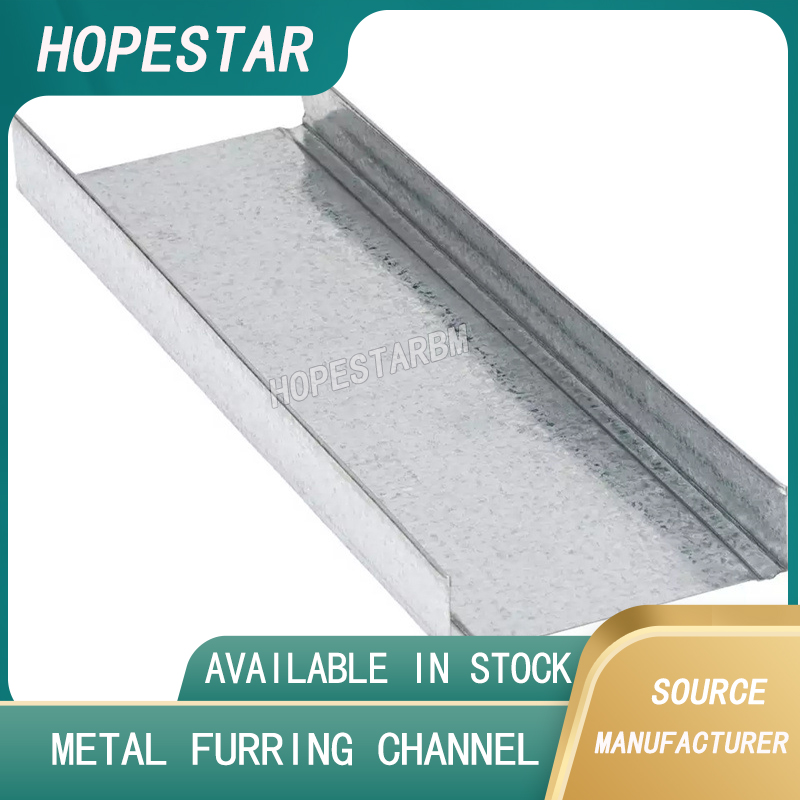
Metal Building Hat Channel
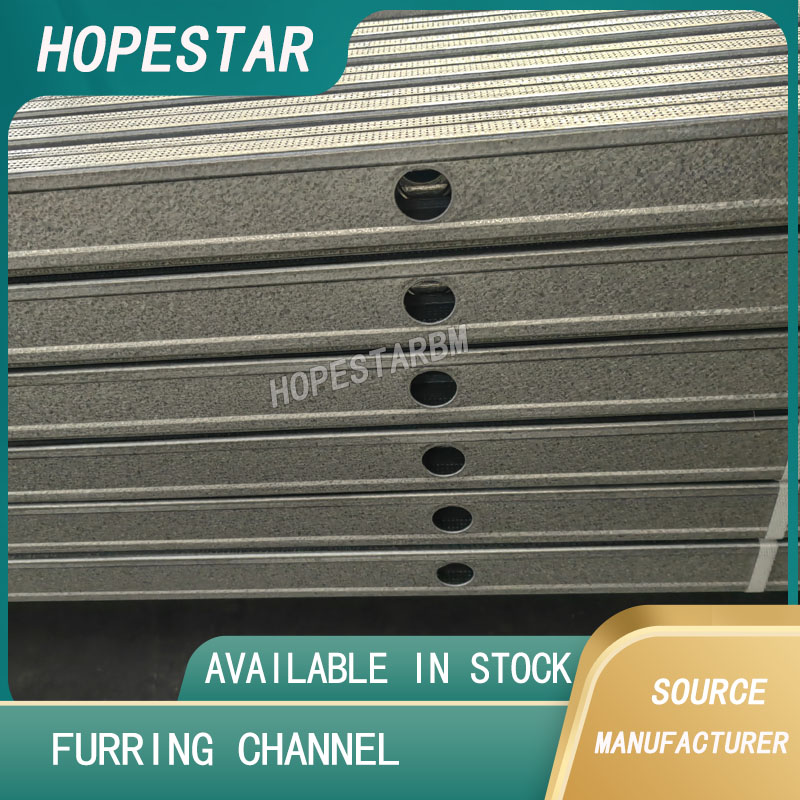
In the construction of modern metal buildings, choosing the right structural support system is crucial to ensure durability, safety, and energy efficiency. One of the most reliable and versatile solutions widely used in metal framing is the metal building hat channel. This simple yet effective steel profile plays a vital role in wall and ceiling systems, offering both structural performance and installation flexibility.
What Is a Hat Channel?
A hat channel is a cold-formed steel component named for its distinct cross-sectional shape, which resembles a hat. It features a flat top (called the “crown”) and two vertical legs that end in outward flanges. This unique design allows the hat channel to provide excellent support, stiffness, and space for wiring or insulation.
Hat channels are usually made from galvanized steel or aluminum, which makes them resistant to corrosion and suitable for interior or exterior use in metal building systems.
Key Features of Metal Building Hat Channels
-
High Strength-to-Weight Ratio: Offers strong load-bearing capabilities without adding excessive weight.
-
Corrosion Resistance: Made from zinc-coated or aluminum materials to withstand moisture and environmental wear.
-
Versatile Application: Can be used for furring walls, framing ceilings, or supporting roof structures.
-
Easy Installation: Designed for quick mounting with screws, clips, or fasteners.
-
Fire-Resistant: Non-combustible material adds to the fire safety of the structure.
Common Applications in Metal Buildings
?️ 1. Wall Furring
Metal building hat channels are commonly used to fur out walls, especially concrete or masonry surfaces. They create a level surface for attaching drywall, panels, or insulation materials.
? 2. Ceiling Framing
In ceiling systems, hat channels serve as horizontal support rails, often used to hold ceiling tiles or gypsum boards in place. Their strong, uniform profile ensures structural integrity across wide spans.
? 3. Exterior Cladding Support
Hat channels can be used beneath exterior metal panels or other cladding materials, helping to ventilate the wall cavity and prevent moisture buildup.
? 4. Acoustic Isolation
When used in conjunction with sound isolation clips, hat channels help reduce noise transfer between walls and ceilings — making them a smart choice for office buildings, apartments, and schools.
Metal Furring Sizes for Ceiling
Hat Channel for Metal Buildings
Related Article