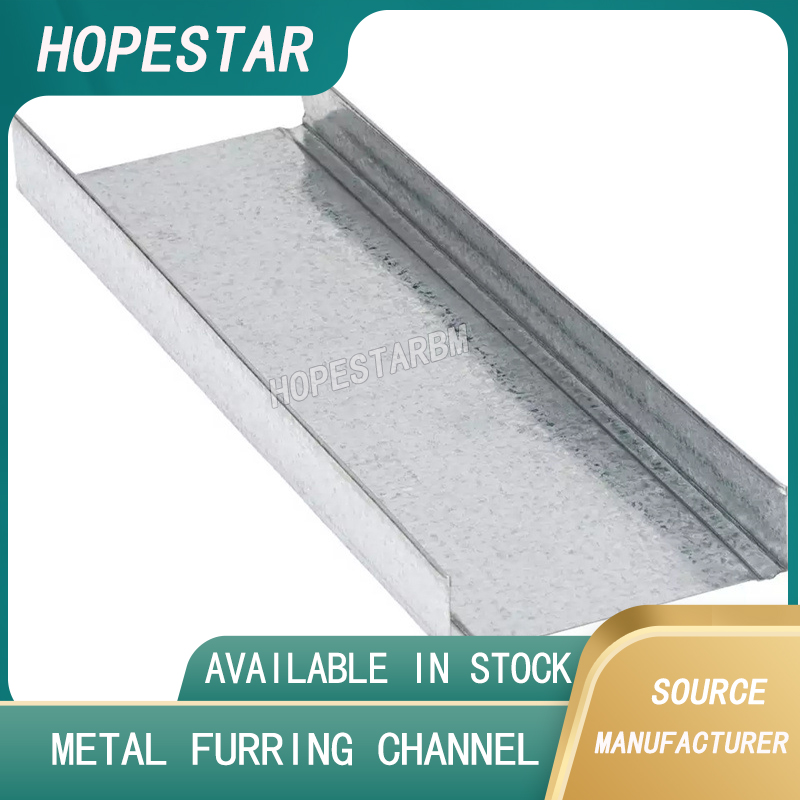
Metal Studs and Track for Drywall Installation: A Modern Framing Solution

When it comes to framing interior walls, metal studs and track have become the preferred choice for professionals and DIYers alike. Especially in drywall construction, this system offers a lightweight, fire-resistant, and durable alternative to traditional wood framing. Whether you are working on a commercial build-out, a residential renovation, or a partition wall in an office, metal studs and tracks provide the structural backbone you need for a smooth, efficient, and long-lasting drywall installation.
What Are Metal Studs and Tracks?
Metal studs and tracks are typically made from galvanized steel and are formed into precise shapes such as C-studs and U-tracks. The studs act as the vertical components of a wall, while the tracks serve as the horizontal top and bottom channels that hold the studs in place. They come in various gauges (thickness), lengths, and flange widths to suit different load and design requirements.
Advantages of Metal Studs and Track in Drywall Projects
-
Lightweight and Easy to Handle
Metal framing components are much lighter than wood, making them easier to transport and install—especially in high-rise buildings or tight workspaces. -
Straight and Consistent Dimensions
Unlike wood, which can warp or twist, steel studs and tracks are perfectly straight. This results in flat, even drywall surfaces, making taping and finishing much easier. -
Fire Resistance
Galvanized steel is non-combustible, making it a safer choice in fire-rated wall assemblies and commercial applications. -
Pest and Mold Resistant
Steel is impervious to termites, carpenter ants, and rodents. It also doesn’t support mold growth, which is ideal for humid or damp environments like basements and bathrooms. -
Ease of Electrical and Plumbing Work
Most metal studs come with pre-punched holes for wiring and pipes, reducing labor time and keeping installations neat and organized.
How to Install Metal Studs and Track for Drywall
1. Planning and Measuring
Begin by marking the wall layout on the floor. Measure carefully and snap chalk lines to indicate where the track will be placed.
2. Installing the Tracks
Secure the bottom track to the floor using concrete anchors or screws, depending on the surface. Install the top track in alignment with the bottom track using a laser level or plumb bob.
3. Cutting and Placing the Studs
Cut metal studs to the appropriate height using metal snips or a chop saw with a metal-cutting blade. Insert the studs vertically into the tracks and secure them with self-tapping screws. Space studs typically at 16 or 24 inches on center, based on drywall panel size and building code requirements.
4. Running Wires and Utilities
Use the pre-punched holes in the studs to run electrical wires and plumbing. Be sure to use plastic grommets to protect wires from sharp metal edges.
5. Installing Drywall
Once the framing is secure, hang drywall sheets with drywall screws. Metal studs hold screws well, but pre-drilling may be needed for thicker gauges.
Metal Studs and Track for Office Partitions: Modern, Flexible, and Efficient
Drywall Ceiling Steel Frame Channel
Related Article