How Deep Is the Z-Furring Channel?
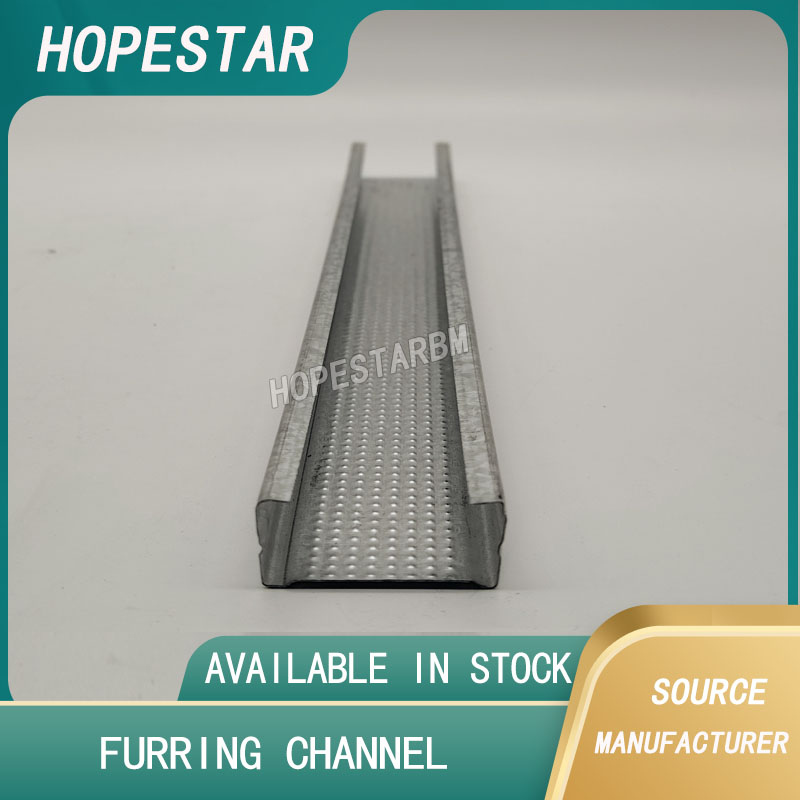
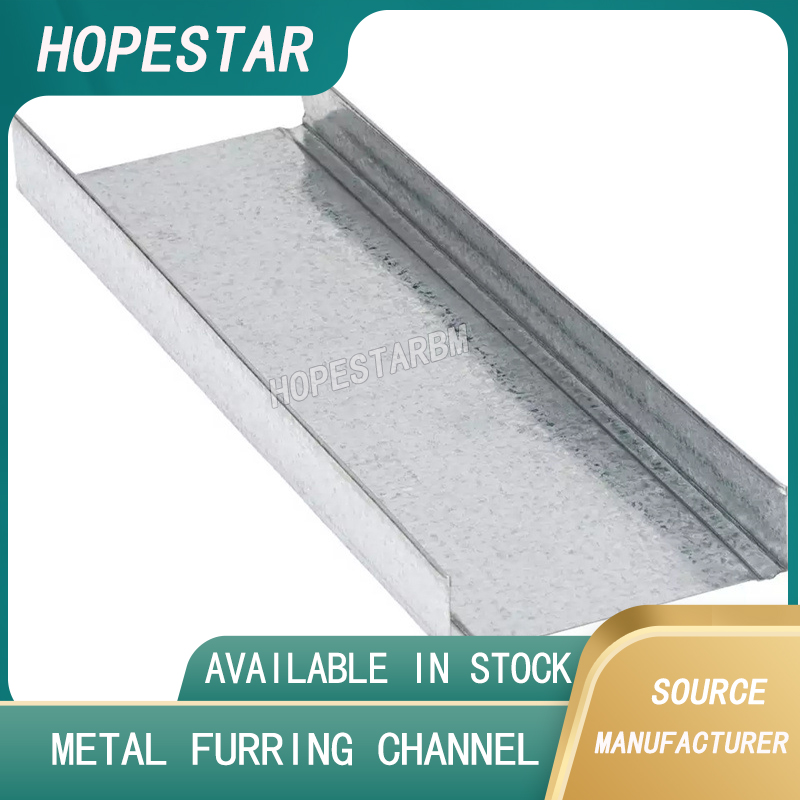
Z-furring channels are widely used in construction for securing drywall, siding, or other cladding materials to a masonry or concrete wall. They provide a way to create a level surface for interior or exterior finishing and also allow space for insulation or other materials. One of the most frequently asked questions about Z-furring channels is: How deep are they? In this article, we will explore the typical depth of Z-furring channels, why depth matters, and how to choose the right size for your project.
The depth of a Z-furring channel generally refers to the distance between the mounting surface (the part attached to the wall) and the outer flange where the finish material is fixed. In practical terms, it defines the amount of space the channel provides between the wall and the cladding or drywall. This space is crucial because it is often used to insert insulation materials or to accommodate mechanical, electrical, or plumbing systems behind the wall finish.
Typically, Z-furring channels come in standard depths such as 1 inch, 1-1/2 inches, and 2 inches. Among these, the 1-1/2 inch and 2 inch variants are the most commonly used in residential and commercial construction. The choice of depth depends largely on the specific requirements of the wall assembly. For example, if rigid board insulation is being used, a 2-inch depth might be necessary to fully encase the insulation within the cavity. On the other hand, if minimal insulation or spacing is needed, a 1-inch or 1-1/2 inch channel could be more suitable.
Choosing the correct depth is important not only for insulation but also for maintaining structural integrity and ensuring proper installation of finishes. Using a channel that is too shallow may cause problems with fitting insulation or lead to surface unevenness. On the flip side, using a deeper channel than necessary may reduce interior space and increase material costs.
Another factor influencing the required depth of a Z-furring channel is compliance with building codes and energy efficiency standards. In many modern construction projects, especially those aiming for high energy performance, sufficient insulation is required in wall systems. In such cases, deeper furring channels are selected to allow the necessary thermal barrier thickness between the cold masonry surface and the interior drywall or sheathing.
The material of the Z-furring channel also plays a role in determining depth options. These channels are typically made from galvanized steel, ranging from 16 to 20 gauge thickness. While the gauge affects strength and load capacity, the depth influences the ability to accommodate insulation and provide space for utility installations.
In summary, the depth of a Z-furring channel typically ranges from 1 inch to 2 inches. Selecting the appropriate depth depends on insulation needs, structural requirements, and the overall wall design. Proper selection helps ensure efficient construction, thermal performance, and long-term durability. Whether you're working on a commercial project or a residential retrofit, understanding Z-furring channel depths can help you build smarter and more effectively.
L-Shaped Wall Corner Protection Strip: A Practical Finishing and Safety Solution
Light Gauge Steel Metal Studs and Track
Related Article