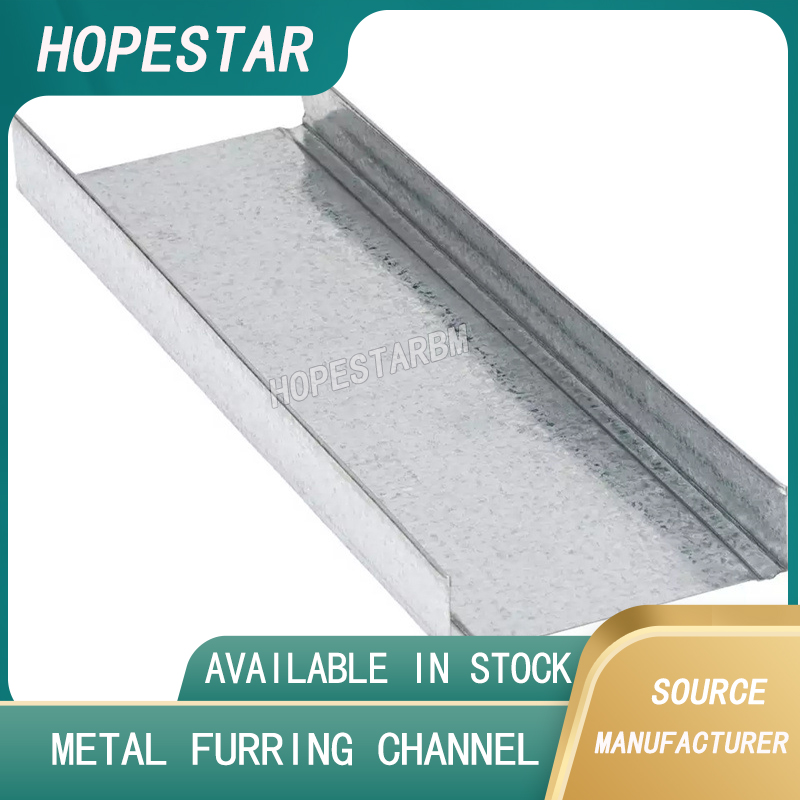
Australian Light Steel Framing: Four Key Characteristics and Three Major Applications
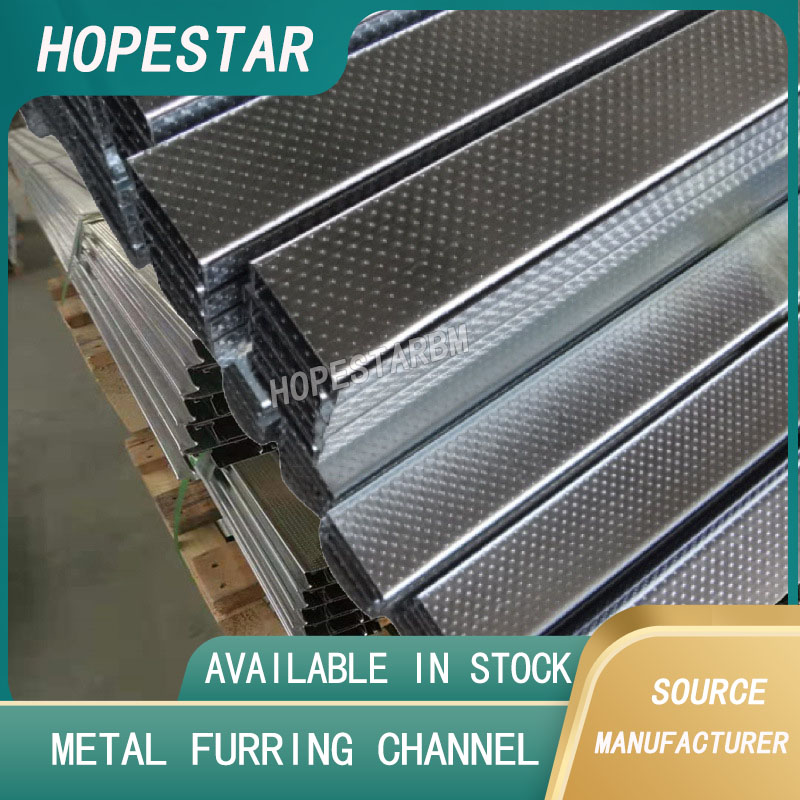
Light steel framing has become increasingly popular in Australia's construction industry due to its superior performance and sustainability. This article explores the four distinguishing characteristics that make Australian light steel framing stand out, followed by its three primary applications in modern construction projects.
Four Key Characteristics
1. High Strength-to-Weight Ratio
Australian light steel framing is manufactured from high-grade galvanized steel, offering exceptional structural strength while maintaining a lightweight profile. This unique combination allows for easier transportation and handling on construction sites without compromising load-bearing capacity. The typical yield strength ranges between 550MPa to 690MPa, significantly higher than traditional timber framing.
2. Superior Corrosion Resistance
The zinc coating (minimum Z275 grade) provides outstanding protection against Australia's diverse climatic conditions, including coastal areas with high salinity. Advanced galvanization techniques ensure a service life exceeding 50 years without significant deterioration, making it ideal for long-term structural applications.
3. Precision Engineering
Manufactured through computer-controlled roll forming processes, Australian light steel frames demonstrate millimeter-level accuracy in dimensional consistency. This precision eliminates common construction issues like warping or shrinking, ensuring perfect alignment during assembly and reducing on-site adjustments.
4. Environmental Sustainability
As a 100% recyclable material with over 90% recycled content, light steel framing aligns with Australia's Green Star rating system. Its prefabrication reduces construction waste by up to 80% compared to conventional methods, and the non-combustible nature eliminates termite risks and chemical treatments required for timber.
Three Major Applications
1. Residential Construction
Light steel framing dominates Australia's residential sector, particularly in detached houses and multi-story apartments. Its speed of construction (30-40% faster than traditional methods) addresses housing shortages, while the precision engineering enables complex architectural designs. The material's thermal efficiency, when combined with proper insulation, meets NatHERS 7-star energy ratings effortlessly.
2. Commercial and Industrial Buildings
Warehouses, office complexes, and retail spaces benefit from the long-span capabilities (up to 12m without intermediate supports) of advanced light steel systems. The non-combustible property satisfies strict fire safety codes for commercial structures, while the dimensional stability ensures trouble-free installation of curtain walls and cladding systems.
3. Modular and Prefabricated Construction
The prefabrication-friendly nature of light steel framing makes it perfect for Australia's growing off-site construction industry. Complete wall panels, floor cassettes, and roof trusses can be factory-produced with embedded services (electrical conduits, plumbing), reducing on-site labor by 60%. This application shines in remote area projects, mining camps, and disaster-relief housing where rapid deployment is critical.
Conclusion
Australian light steel framing represents the future of construction with its unmatched strength, durability, precision, and eco-friendliness. From suburban homes to high-rise commercial towers and innovative modular projects, this versatile material continues to redefine building standards across Australia. As technology advances, we can expect even broader applications and performance enhancements in this dynamic sector.
Characteristics of Galvanized Light Steel Framing in Modern Construction
Galvanized Steel: Durable Protection for Construction and Industry
Related Article