Galvanized Steel: Durable Protection for Construction and Industry
Galvanized steel is a type of steel that has been coated with a layer of zinc to protect it from corrosion and rust. This process, known as galvanization, significantly enhances the durability and longevity of the steel, making it ideal for use in harsh environments, including outdoor, marine, and industrial settings. Galvanized steel is widely used across construction, infrastructure, automotive, and manufacturing sectors due to its strength, affordability, and resistance to environmental elements.
The Galvanization Process
The most common method of galvanization is hot-dip galvanizing, where the steel is immersed in a bath of molten zinc at temperatures around 450°C (842°F). The zinc bonds metallurgically with the steel surface, creating a tough, corrosion-resistant coating. Other methods include electro-galvanizing, which uses an electric current to apply the zinc layer, and galvannealing, which combines galvanizing and annealing for enhanced paintability and weldability.
Key Benefits of Galvanized Steel
-
Corrosion Resistance
The zinc coating acts as a barrier against moisture and air, preventing rust formation. Even if the coating is scratched, the zinc continues to protect the steel by sacrificing itself through a process called galvanic corrosion. -
Long Lifespan
Galvanized steel can last 50 years or more in many environments and over 20 years in more severe conditions without significant maintenance. -
Low Maintenance
Once installed, galvanized steel requires little to no maintenance, which helps reduce lifecycle costs over time. -
Cost-Effective
While slightly more expensive upfront than untreated steel, galvanized steel’s long-term durability and low maintenance make it an economical choice. -
Sustainability
Steel is 100% recyclable, and the galvanizing process produces minimal waste. Additionally, the extended service life of galvanized steel reduces the need for frequent replacements.
Common Uses of Galvanized Steel
-
Construction: Roofing, wall framing, support beams, ductwork, and steel framing systems.
-
Infrastructure: Bridges, guardrails, utility poles, and highway signage.
-
Automotive: Car frames, bodies, and various underbody parts for corrosion resistance.
-
Agriculture: Fencing, grain silos, water tanks, and animal pens.
-
HVAC and Electrical: Ducting systems, cable trays, and conduit pipes.
Types of Galvanized Steel Products
Galvanized steel is available in several forms including:
-
Sheets and Coils: Used in roofing and cladding.
-
Pipes and Tubes: For plumbing, fencing, and structural use.
-
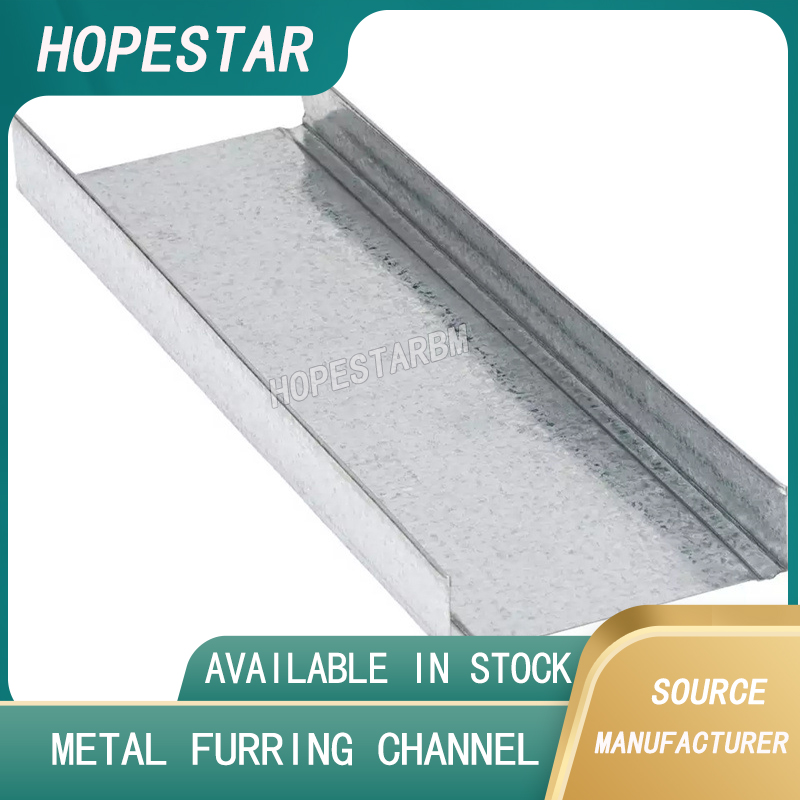
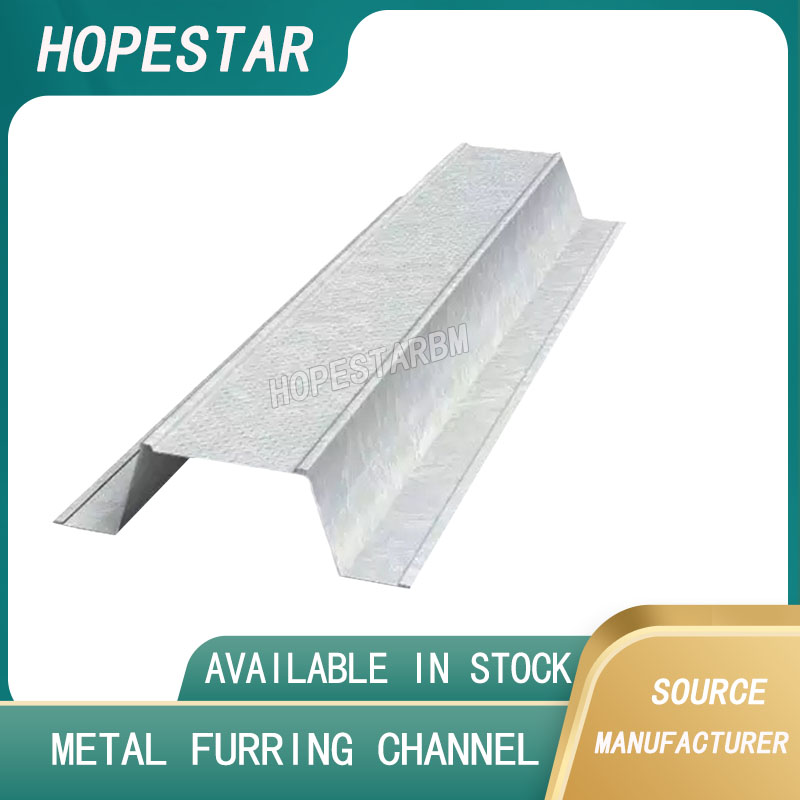
Angles and Channels: For framing and support in ceilings and walls.
-
Nuts, Bolts, and Fasteners: Where long-term strength and weather resistance are needed.
Conclusion
Galvanized steel is a proven and trusted material in many industries due to its strength, resistance to rust, and cost-efficiency. Whether it's used in constructing buildings, reinforcing infrastructure, or manufacturing durable goods, galvanized steel offers lasting performance with minimal upkeep. As construction standards evolve and sustainability becomes more critical, galvanized steel remains a smart, environmentally friendly choice for modern engineering and design.
Australian Light Steel Framing: Four Key Characteristics and Three Major Applications
Omega Furring Channel: A Versatile Solution for Ceiling and Wall Systems
Related Article