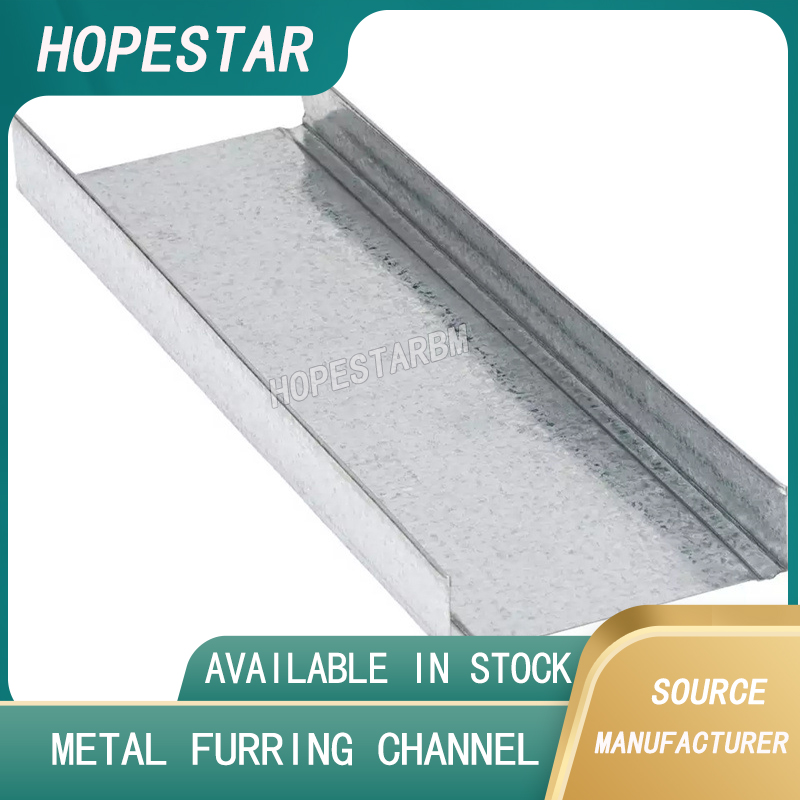
What Is Furring Channel Used For?
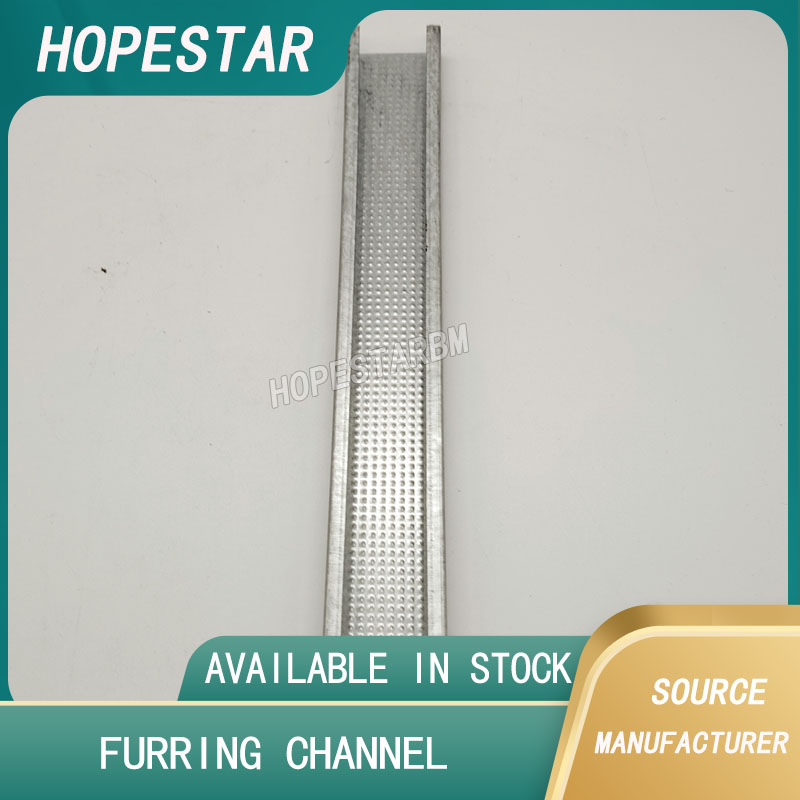
In the world of modern construction and interior finishing, there are countless materials and techniques that go unnoticed by the end user—yet they play a critical role in the quality, safety, and finish of every building. One such component is the furring channel. Although it might seem like just another piece of metal framing, a furring channel is a high-performance building element that contributes to both the structure and function of walls and ceilings.
So, what exactly is a furring channel, and what is it used for?
At its core, a furring channel is a lightweight, cold-formed steel section used to create a level surface for attaching wall finishes like drywall, cement board, or acoustic panels. It acts as a supportive substructure between the actual wall or ceiling and the decorative or functional finishing layer. But beyond that basic function, furring channels bring many practical advantages to construction projects, especially those where precision, insulation, or fire resistance are required.
One of the most common uses of furring channels is in drywall ceiling systems. Instead of fixing the drywall sheets directly to the concrete or timber ceiling, installers use furring channels to create a suspended metal framework. This system ensures that the ceiling remains level and stable over time, even if the original surface is uneven or prone to movement. It also makes it easier to integrate lighting, ventilation, and sprinkler systems without compromising the structure.
Another major application is in interior wall systems. Furring channels are often mounted vertically to walls to create a cavity between the wall and the finished surface. This cavity can be used for multiple purposes: to run electrical wiring and pipes, to install sound insulation or fire-rated materials, or simply to correct uneven surfaces. In commercial and residential buildings alike, this method allows for a cleaner, more efficient installation with a smoother final appearance.
Furring channels are also essential in external cladding systems, especially in regions with moisture issues or extreme temperatures. By mounting cladding panels on furring channels, a ventilated cavity is created between the external wall and the façade. This promotes airflow and reduces the risk of moisture buildup, mold growth, or heat retention—making the building more energy-efficient and longer-lasting.
In modern architecture, acoustic performance is increasingly important. Whether it’s an apartment building, a hotel, or an office space, controlling noise is crucial to occupant comfort. Furring channels, particularly when used in combination with resilient clips or acoustic mounts, are highly effective in soundproofing walls and ceilings. They help isolate vibrations and reduce sound transmission between rooms or floors, a feature that’s particularly valued in multi-unit dwellings and commercial buildings.
Fire resistance is another area where furring channels excel. In high-rise buildings, hospitals, schools, and other critical infrastructure, construction materials must comply with strict fire codes. Furring channels can be used in fire-rated wall assemblies, allowing the installation of layers of fire-resistant boards while maintaining the integrity and stability of the structure. When paired with proper insulation and finishing materials, they help meet or exceed fire safety requirements.
Aside from their technical benefits, furring channels also offer practical advantages on-site. They are lightweight and easy to transport, cut, and install. Their galvanized finish protects them from rust and corrosion, making them suitable for both indoor and semi-exposed environments. And because they are available in a range of sizes and profiles—such as hat channels, Z-channels, and custom perforated styles—they can be adapted to suit almost any design or engineering requirement.
From a design perspective, furring channels provide greater flexibility and cleaner aesthetics. Need to mount a decorative panel wall in front of concrete? Furring channels allow for a gap where you can hide wiring and avoid surface damage. Want to install LED strip lighting or recessed shelves? The channels make it easier to plan and execute without compromising the original building fabric.
In summary, the furring channel is a silent hero in construction. Its role may not always be visible, but it supports everything from drywall ceilings and soundproof walls to moisture-resistant cladding and fire-rated assemblies. Whether you're working on a new build or a renovation, in a residential home or a commercial tower, furring channels provide the hidden strength and versatility that modern construction demands.
If you're a contractor, architect, or builder looking to improve installation efficiency and long-term building performance, incorporating furring channels into your design is a smart investment. And if you’re sourcing materials, make sure to choose high-quality, compliant furring channels from a trusted supplier—because the right foundation makes all the difference in the final result.
Galvanized Furring Channel C Channel: The Backbone of Modern Wall and Ceiling Systems
What Is Metal Furring Channel with Holes?
Related Article